Principais tendências tecnológicas de inovação no varejo para 2026: IA, análise de dados e transformação digital

Principais tendências tecnológicas de inovação no varejo para 2026: IA, análise de dados e transformação digital
O panorama do retalho está a passar por uma mudança sísmica, impulsionada por rápidos avanços tecnológicos. De acordo com a Grand View Research, o mercado global de IA empresarial foi estimado em 23,95 mil milhões de dólares em 2024 e deverá crescer a uma CAGR de 37,5% até 2030. Este crescimento sublinha o papel crítico da tecnologia na definição do futuro do retalho.
A ascensão da IA no varejo
A Inteligência Artificial (IA) não é mais um conceito futurista, mas uma realidade atual que transforma as operações de varejo. Desde experiências de compras personalizadas até à gestão eficiente da cadeia de abastecimento, a IA está na vanguarda da inovação no retalho.
Análise baseada em IA
A análise baseada em IA está revolucionando a forma como os varejistas entendem e interagem com seus clientes. Essas ferramentas analíticas avançadas podem processar grandes quantidades de dados em tempo real, fornecendo insights que antes eram inatingíveis.
Experiências de compras em realidade aumentada (AR)
A Realidade Aumentada (AR) está aprimorando a experiência de compra, permitindo que os clientes visualizem os produtos em seu próprio ambiente antes de fazer uma compra. Esta tecnologia é particularmente impactante nas indústrias da moda e do mobiliário, onde ver como um produto se adapta ou se parece num ambiente específico pode influenciar significativamente as decisões de compra.
AR shopping experiences are bridging the gap between online and in-store shopping, providing customers with a more immersive and interactive experience.
Análise de dados: a espinha dorsal da inovação no varejo
A análise de dados é a espinha dorsal da inovação no varejo moderno. Ao aproveitar os dados, os varejistas podem tomar decisões informadas, otimizar as operações e aprimorar as experiências dos clientes.
Análise Preditiva
A análise preditiva usa dados históricos para prever tendências e comportamentos futuros. Isso permite que os varejistas antecipem as necessidades dos clientes, gerenciem o estoque de maneira mais eficaz e adaptem as estratégias de marketing a segmentos específicos de clientes.
Análise em tempo real
A análise em tempo real fornece insights imediatos sobre o comportamento do cliente e o desempenho operacional. Isto permite que os varejistas respondam rapidamente às mudanças nas condições do mercado e nas preferências dos clientes.
Transformação Digital no Varejo
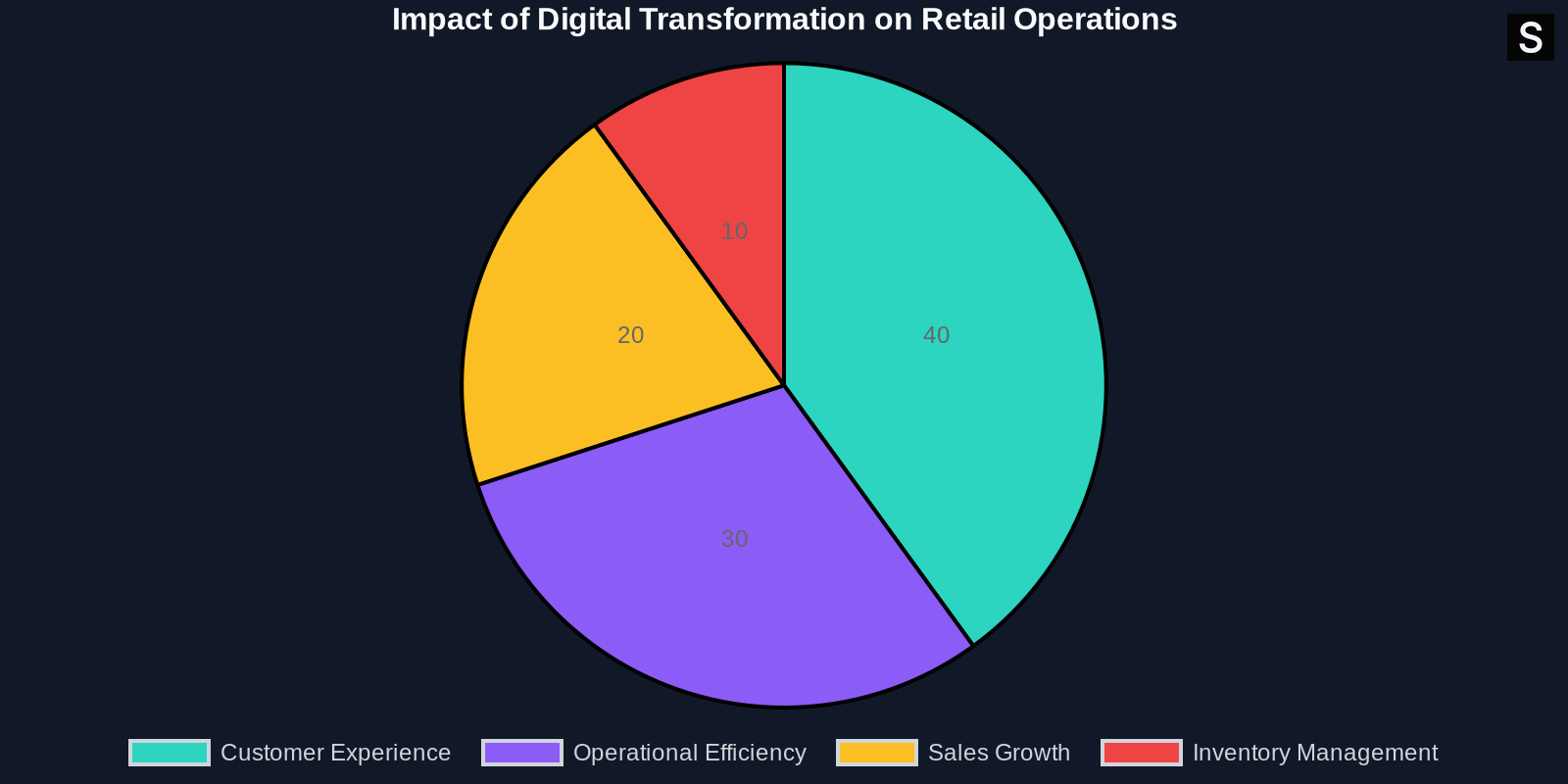
A transformação digital envolve a integração da tecnologia digital em todas as áreas de uma empresa, mudando fundamentalmente a forma como ela opera e agrega valor aos clientes. Para os retalhistas, isto significa adotar novas tecnologias para melhorar as experiências dos clientes, agilizar as operações e impulsionar o crescimento.
Varejo Omnicanal
O varejo omnicanal visa fornecer uma experiência de compra perfeita em vários canais, incluindo online, na loja física e móvel. Essa abordagem garante que os clientes possam interagir com uma marca da maneira que for mais conveniente para eles, aumentando a satisfação e a fidelização do cliente.
Blockchain para transparência na cadeia de suprimentos
A tecnologia Blockchain está sendo usada para aumentar a transparência da cadeia de suprimentos. Ao fornecer um registro seguro e imutável de transações, o blockchain ajuda os varejistas a rastrear a procedência dos produtos, garantindo autenticidade e fornecimento ético.
| Feature | Before AI | After AI |
|---|---|---|
| Customer Insights | Limited | Comprehensive |
| Inventory Management | Manual | Automated |
| Marketing Strategies | Generic | Personalized |
Tecnologias emergentes e seu impacto
Automação Agente
A automação agêntica expande o acesso das pessoas a sistemas que podem atuar em seu nome através de ferramentas e dados. Esta tecnologia é particularmente útil no retalho para automatizar tarefas e processos complexos, libertando recursos humanos para funções mais estratégicas.
Ferramentas de agendamento de IA
Em 2025, 41% das equipes de aquisição de talentos testaram ferramentas de agendamento de IA e 23% as implementaram totalmente. Essas ferramentas relataram reduções de 60 a 80% no tempo de agendamento, destacando sua eficiência e eficácia.
Principais conclusões
Conclusão
O setor de varejo está à beira de uma revolução tecnológica. Ao adotar a IA, a análise de dados e a transformação digital, os retalhistas podem melhorar as experiências dos clientes, otimizar as operações e impulsionar o crescimento. A chave do sucesso reside na integração estratégica destas tecnologias, garantindo que estão alinhadas com os objetivos de negócio e as necessidades dos clientes.

Chamada para ação
Fique à frente da curva explorando essas tendências tecnológicas de inovação no varejo. Invista em IA, aproveite a análise de dados e adote a transformação digital para preparar seu negócio de varejo para o futuro.
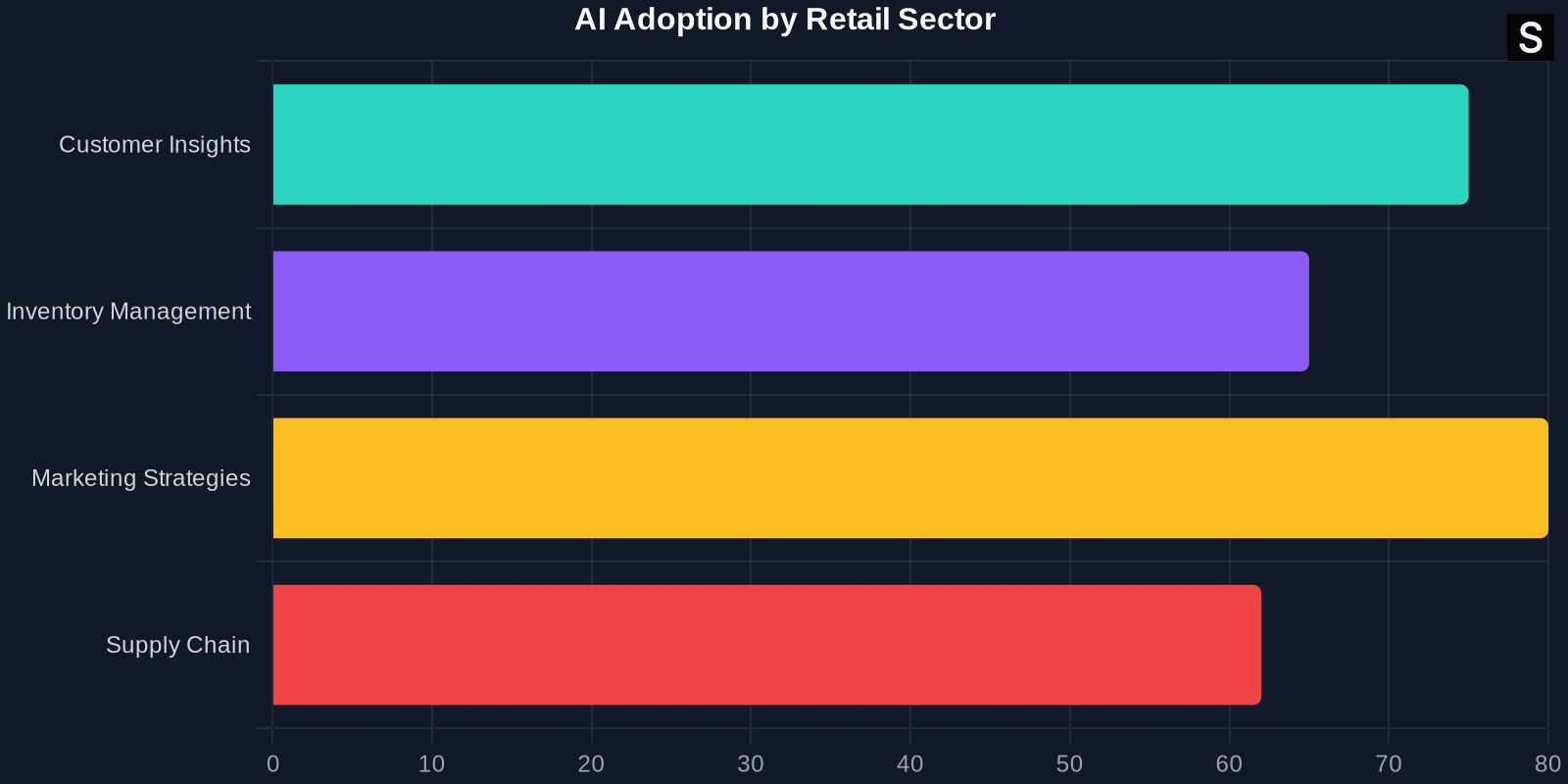 A jornada rumo à inovação no varejo está em andamento e as tendências destacadas neste artigo são apenas o começo. À medida que a tecnologia continua a evoluir, também evoluirão as oportunidades para os retalhistas inovarem e se destacarem.