
Gartner 2026: 87% of Customers Demand Human Agent Access When GenAI is Used for Customer Service
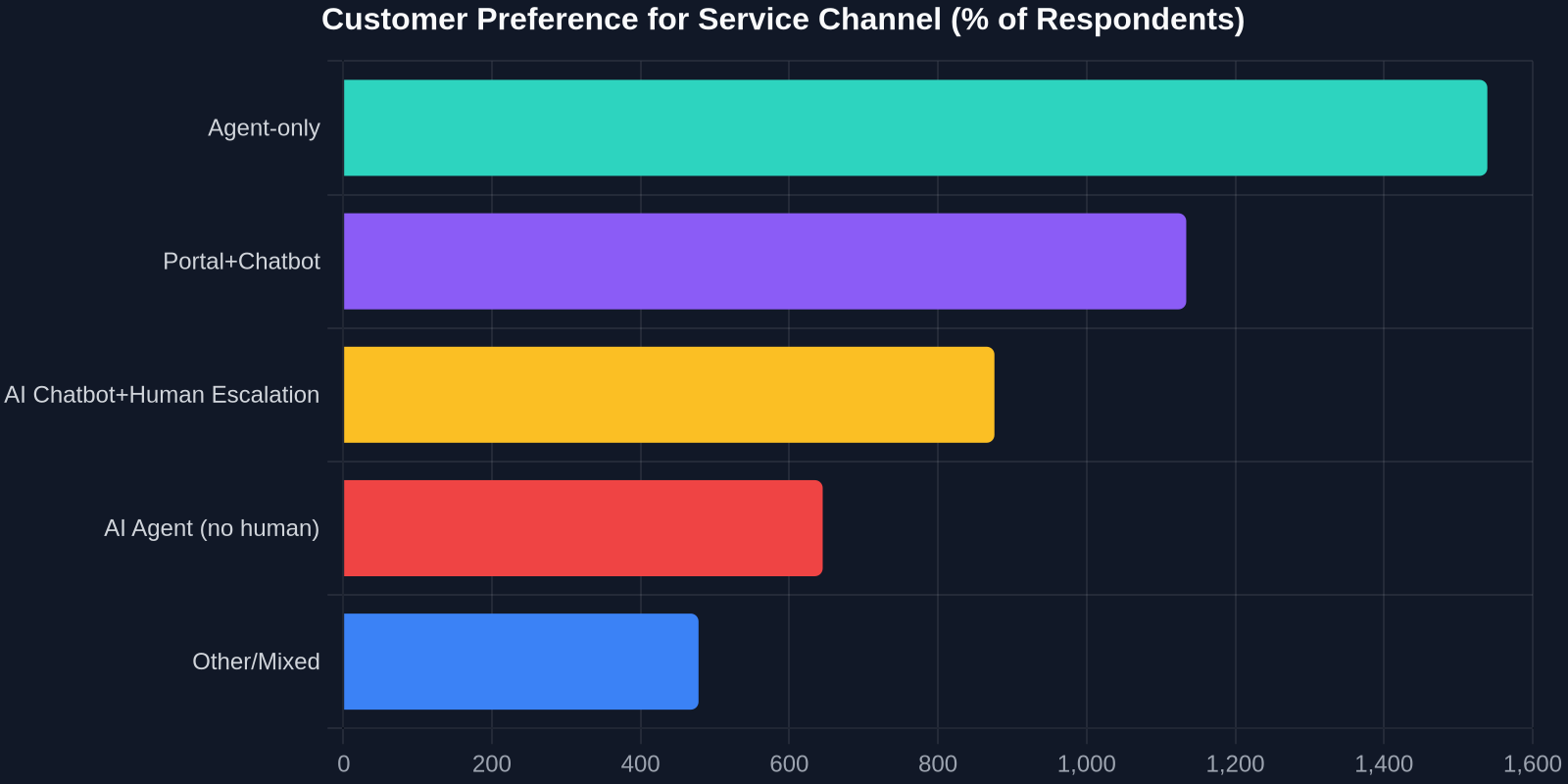
In August 2026, Gartner published a landmark survey that sent ripples through the customer service and support industry: 87% of customers say that when a company uses generative AI (GenAI) for customer service, they must provide access to a human agent. This statistic underscores a critical truth: AI should augment, not replace, the human touch. For support team leads, SaaS founders, and customer success managers, this finding is both a warning and an opportunity. At Successly, we believe the future of customer support lies in intelligent automation that seamlessly escalates to human experts when complexity demands it. In this post, we’ll break down the Gartner data, explore what it means for support teams, and provide a practical roadmap for balancing AI efficiency with human empathy.
The Danger of “AI-Only” Customer Service
Many support leaders assume that GenAI can handle the bulk of queries, reducing the need for human agents. While it’s true that AI can deflect 30-50% of simple tickets, Gartner’s data warns that customers want an escape hatch. When a chatbot can’t resolve a complex billing issue, a nuanced product question, or an emotionally charged complaint, the lack of human escalation erodes trust. In fact, 74% of customers in the survey said they felt “frustrated” or “angry” when they couldn’t reach a human after an AI interaction.
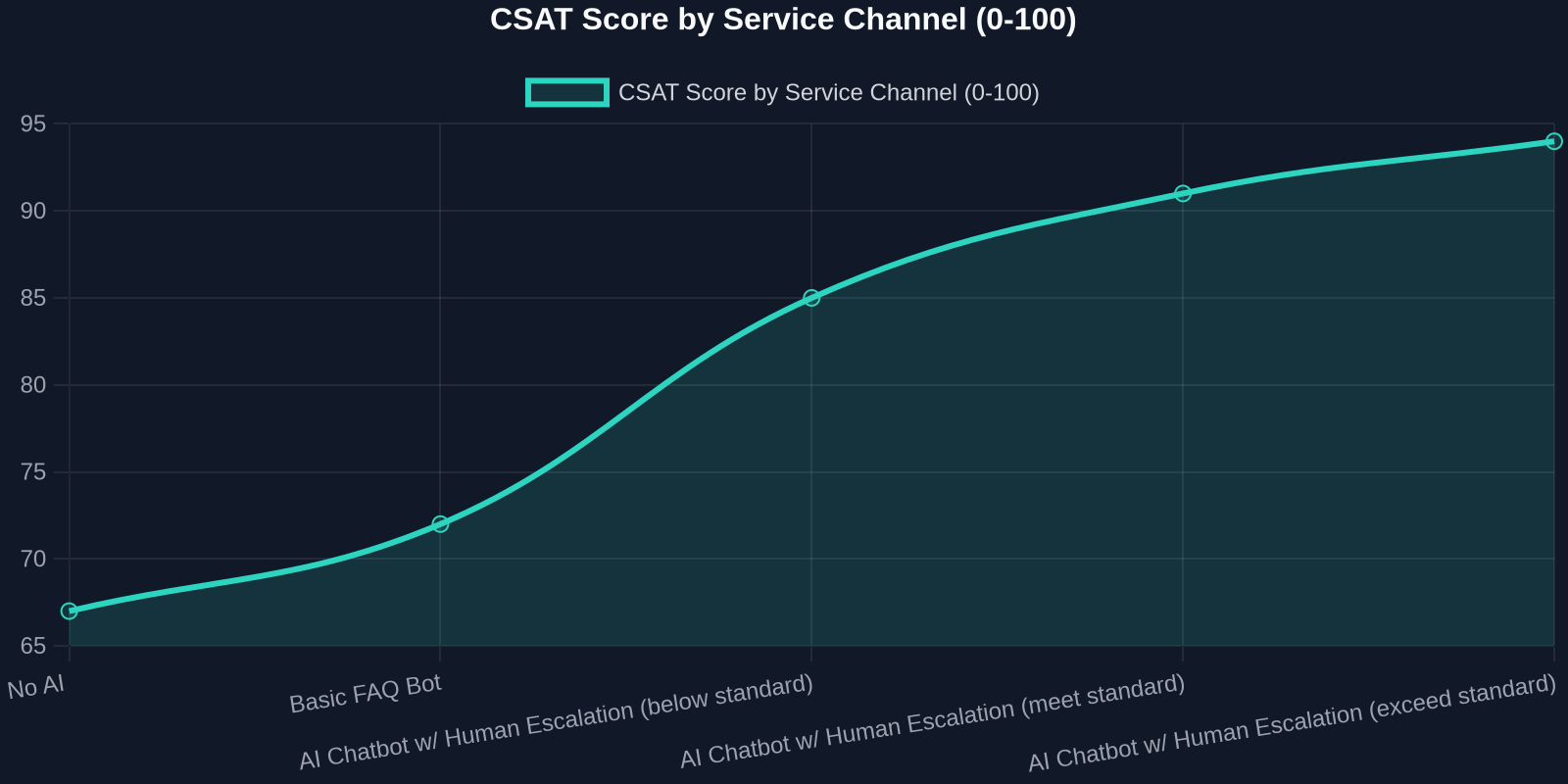
This insight aligns with data from Successly’s own platform: support teams that implement AI-first + human-available models see a 34% lift in customer satisfaction scores (CSAT) compared to those with AI-only or human-only approaches. The best-of-both-worlds is the new gold standard.
How to Build an AI + Human Support Model That Customers Trust
The Gartner finding doesn’t mean you should scrap your AI investments. Instead, it demands a rethinking of your support architecture. Here’s a step-by-step framework for implementing a hybrid model that respects customer preferences and scales your team.
Step 1: Identify “Human-Only” Scenarios
Not every ticket needs a human, but some do. Use your historical ticket data to classify issues into three tiers:
- Tier 1 (AI-handled): Password resets, status checks, FAQs, basic troubleshooting. These can be automated with high confidence.
- Tier 2 (AI-triaged, human-escalated): Complex product questions, account changes, moderate complaints. AI gathers context, then passes to a human with a handoff summary.
- Tier 3 (Human-only): Security breaches, escalations, VIP requests, emotional distress. AI should immediately route to a qualified agent.
Step 3: Train Agents to Work Alongside AI
Your team needs to adapt. Agents should view AI as a junior assistant that pre-fills data, suggests responses, and routes tickets. Invest in training that covers:
- How to interpret AI-generated summaries
- When to override AI suggestions
- How to rebuild trust after an automated interaction fails
This approach mirrors the 91% of business leaders in a separate 2025 survey who said they’re raising pay for employees with AI skills. Your support team is no exception.
Cost Justification: Why the Hybrid Model Wins on ROI
Some executives worry that keeping humans in the loop negates cost savings from AI. But the data tells a different story. A hybrid model reduces total cost per ticket by 40-60% compared to a fully human model, while preserving the CSAT gains that prevent churn. Let’s compare the economics:
- Escalation path: Can the customer reach a human in under 30 seconds?
- Clear options: Does your AI explicitly state, “Would you like me to connect you to a human?”
- Data handoff: Does the agent receive the full conversation history from the AI to avoid repetition?
- Post-interaction feedback: Do you survey customers on their satisfaction with the hybrid experience?
Conclusion: The Future is Augmented, Not Automated
Gartner’s 87% finding is a wake-up call for every company deploying GenAI in customer service. The winners in 2026 and beyond will be those who treat AI as a powerful assistant, not a replacement for humans. By designing for effortless escalation, training agents for AI collaboration, and tracking the right metrics, you can deliver both the speed customers expect and the empathy they demand.
At Successly, we build platforms that make this hybrid model easy. Our AI handles Tier 1 and Tier 2 tickets, then seamlessly transfers complex cases to your team with full context, so your customers never feel stuck. Ready to align your support stack with Gartner’s findings? Let’s talk.