La trasformazione digitale dell'India del carbone: la rivoluzione delle aste entro il 2026

Trasformazione digitale del carbone indiano: rivoluzione delle aste entro il 2026
In un’era in cui la trasformazione digitale sta rimodellando le industrie, Coal India è pronta a rivoluzionare i suoi processi di asta entro il 2026. Questa guida completa approfondisce le complessità di questa trasformazione, esplorandone l’impatto sull’efficienza, sulla trasparenza e sull’industria del carbone in generale.
Lo stato attuale delle aste del carbone indiano
Coal India, il più grande produttore di carbone al mondo, si affida tradizionalmente a processi manuali e semi-automatizzati per le sue aste. Sebbene questi metodi abbiano funzionato bene per l’azienda, sono sempre più considerati inefficienti e soggetti a errori.
Il sistema attuale prevede una lunga documentazione, ispezioni fisiche e lunghi processi di approvazione. Ciò non solo rallenta il processo d’asta, ma aumenta anche la probabilità di errore umano e corruzione.
La necessità di trasformazione digitale
La necessità di trasformazione digitale nei processi di asta di Coal India non è mai stata così urgente. Diversi fattori stanno determinando questo cambiamento:
- Inefficienza: i processi manuali richiedono molto tempo e molte risorse.
- Mancanza di trasparenza: il sistema attuale non dispone della trasparenza necessaria per creare fiducia con le parti interessate.
- Conformità normativa: i crescenti requisiti normativi richiedono processi più solidi e verificabili.
- Pressione competitiva: i concorrenti stanno sfruttando le tecnologie digitali per ottenere un vantaggio sul mercato.
La visione per il 2026
La visione di Coal India per il 2026 è ambiziosa e di vasta portata. L’azienda mira a digitalizzare completamente i propri processi d’asta, sfruttando tecnologie all’avanguardia per creare un sistema continuo, efficiente e trasparente.
Obiettivi chiave
- Automazione: automatizza il 90% dei processi d'asta per ridurre l'intervento manuale.
- Trasparenza: implementa la tecnologia blockchain per garantire registrazioni a prova di manomissione e monitoraggio in tempo reale.
- Efficienza: riduci del 50% il tempo impiegato per le aste attraverso processi semplificati.
- Esperienza utente: migliora l'esperienza utente per tutte le parti interessate con interfacce digitali intuitive.
The digital transformation of Coal India's auction processes is not just a technological upgrade; it's a strategic imperative that will redefine the coal industry.
Tecnologie che guidano la trasformazione
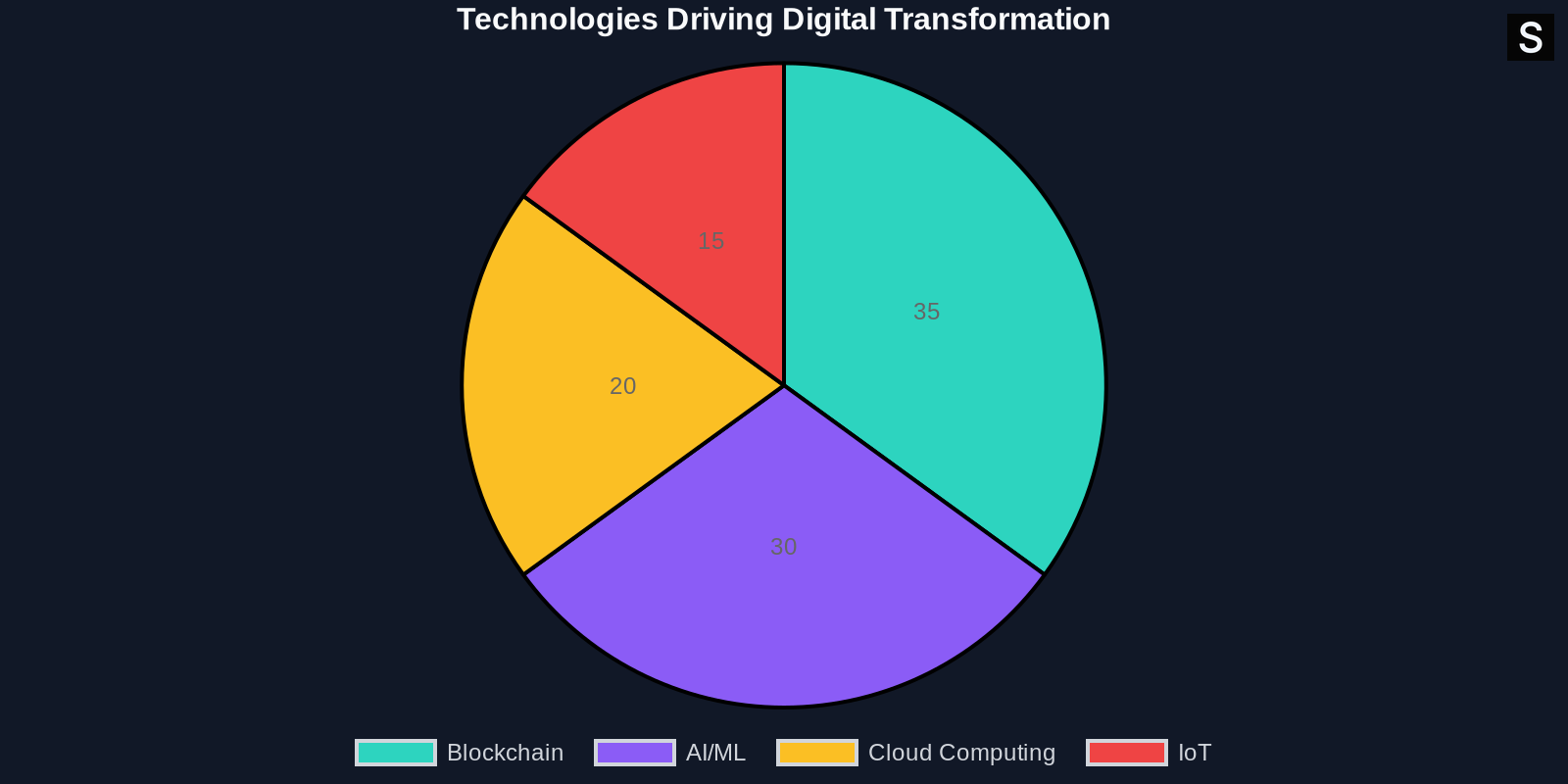
Diverse tecnologie chiave guideranno la trasformazione digitale di Coal India:
Blockchain
La tecnologia Blockchain svolgerà un ruolo cruciale nel garantire trasparenza e sicurezza. Creando un registro immutabile di tutte le transazioni, la blockchain aiuterà a eliminare le frodi e a creare fiducia tra le parti interessate.
Intelligenza artificiale e apprendimento automatico
L’intelligenza artificiale e il machine learning verranno utilizzati per analizzare grandi quantità di dati, fornendo approfondimenti in grado di ottimizzare il processo d’asta. Queste tecnologie consentiranno anche l’analisi predittiva, aiutando Coal India a prendere decisioni più informate.
###Il cloud computing
Il cloud computing fornirà l’infrastruttura scalabile necessaria per supportare la trasformazione digitale. Consentirà l’elaborazione, l’archiviazione e il recupero dei dati in tempo reale, garantendo che i processi d’asta siano rapidi ed efficienti.
Internet delle cose (IoT)
I dispositivi IoT verranno utilizzati per monitorare e tracciare gli aspetti fisici del processo d’asta, come la qualità e la quantità di carbone. Ciò garantirà che i record digitali riflettano accuratamente la realtà fisica.
Vantaggi della trasformazione digitale
La trasformazione digitale dei processi d'asta di Coal India porterà numerosi vantaggi:
Maggiore efficienza
Automatizzando i processi e sfruttando le tecnologie digitali, Coal India può ridurre significativamente il tempo e le risorse necessarie per le aste. Ciò porterà a tempi di consegna più rapidi e ad una maggiore produttività.
Trasparenza migliorata
Le tecnologie digitali come la blockchain garantiranno che tutte le transazioni siano registrate e verificabili, migliorando la trasparenza e riducendo il rischio di frode.
Miglioramento del processo decisionale
Con l'accesso a dati in tempo reale e analisi avanzate, Coal India può prendere decisioni più informate, ottimizzando il processo d'asta e migliorando i risultati.
Migliore esperienza utente
Le interfacce digitali forniranno un’esperienza più intuitiva e facile da usare per tutte le parti interessate, dagli offerenti alle autorità di regolamentazione, rendendo il processo d’asta più accessibile e più facile da navigare.
Sfide e soluzioni
Sebbene i vantaggi della trasformazione digitale siano chiari, il percorso non è privo di sfide. Ecco alcune delle principali sfide e le loro potenziali soluzioni:
Resistenza al cambiamentoUna delle sfide più grandi è la resistenza al cambiamento da parte di dipendenti e stakeholder abituati ai modi tradizionali di fare le cose. Per superare questo problema, Coal India dovrà investire in programmi completi di formazione e gestione del cambiamento.
Sicurezza dei dati
Con il crescente utilizzo delle tecnologie digitali aumenta il rischio di minacce informatiche. Coal India dovrà implementare solide misure di sicurezza informatica per proteggere i propri dati e sistemi.
Integrazione con sistemi esistenti
L’integrazione delle nuove tecnologie digitali con i sistemi esistenti può essere complessa e impegnativa. Coal India dovrà pianificare e attuare attentamente la propria strategia di integrazione per garantire una transizione graduale.
Casi di studio e storie di successo
Osservare altri settori e aziende che hanno intrapreso con successo la trasformazione digitale può fornire preziosi spunti e lezioni per Coal India.
Caso di studio: trasformazione digitale nel settore minerario
Diverse società minerarie hanno implementato con successo le tecnologie digitali per trasformare le loro operazioni. Ad esempio, Rio Tinto ha sfruttato l’intelligenza artificiale e l’automazione per ottimizzare i propri processi minerari, ottenendo significativi miglioramenti in termini di efficienza e risparmi sui costi.
Storia di successo: Blockchain nella catena di fornitura
Aziende come Walmart hanno implementato con successo la tecnologia blockchain per migliorare la trasparenza e la tracciabilità nelle loro catene di approvvigionamento. Ciò non solo ha migliorato l’efficienza, ma ha anche creato fiducia nei consumatori.
La tabella di marcia verso il 2026
Il percorso di trasformazione digitale di Coal India sarà uno sforzo pluriennale, con diverse tappe fondamentali lungo il percorso.
Fase 1: Valutazione e Pianificazione (2023-2024)
La prima fase comporterà una valutazione globale degli attuali processi d'asta e lo sviluppo di un piano di trasformazione dettagliato. Ciò includerà l’identificazione delle tecnologie chiave da implementare e delle risorse necessarie.
Fase 2: implementazione pilota (2024-2025)
La seconda fase riguarderà l’implementazione pilota delle tecnologie digitali nei processi di aste selezionate. Ciò consentirà a Coal India di testare e perfezionare le tecnologie prima dell’implementazione su vasta scala.
Fase 3: implementazione su vasta scala (2025-2026)
La fase finale comporterà l’implementazione su vasta scala delle tecnologie digitali in tutti i processi d’asta. Ciò includerà programmi completi di formazione e gestione del cambiamento per garantire una transizione graduale.
Punti chiave
Conclusione
Il percorso di trasformazione digitale di Coal India è un imperativo strategico che ridefinirà l’industria del carbone. Sfruttando tecnologie all’avanguardia, Coal India può creare un processo d’asta senza soluzione di continuità, efficiente e trasparente a vantaggio di tutte le parti interessate. Sebbene il viaggio non sia privo di sfide, i potenziali benefici lo rendono uno sforzo utile.
Mentre Coal India intraprende questo viaggio di trasformazione, sarà fondamentale rimanere concentrati sulla visione a lungo termine affrontando al contempo le sfide immediate. Con un’attenta pianificazione, un’esecuzione solida e un monitoraggio continuo, Coal India può affrontare con successo questa trasformazione digitale ed emergere come leader nel settore del carbone.
Invito all'azione
Per ulteriori approfondimenti e aggiornamenti sul percorso di trasformazione digitale di Coal India, resta sintonizzato sul nostro blog e iscriviti alla nostra newsletter. Se hai domande o desideri condividere i tuoi pensieri, non esitare a lasciare un commento qui sotto o contattarci direttamente.

La trasformazione digitale dei processi d'asta di Coal India non è solo un aggiornamento tecnologico; è un imperativo strategico che ridefinirà l’industria del carbone. Sfruttando tecnologie all’avanguardia, Coal India può creare un processo d’asta senza soluzione di continuità, efficiente e trasparente a vantaggio di tutte le parti interessate.