
这是一个关于数字命运的反讽:赋予新一代诈骗者能力的同一人工智能技术,如今正被用来追捕他们。被称为“杀猪盘”的长期加密货币骗局——诈骗者通过数周或数月建立虚假恋爱关系以骗取受害者钱财——已经演变。近期诈骗者引入AI聊天机器人来自动化操纵手段,而一场平行的AI革命正悄然瓦解他们的商业模式。对于支持运营领导者和SaaS创始人而言,这不仅是网络安全头条新闻,更是一个深刻启示:主动式AI驱动的客户沟通如何构建坚不可摧的信任之墙。
杀猪盘泛滥:信任危机
要理解诈骗者为何战栗,我们首先需认清他们对全球企业构成的威胁规模。杀猪盘并非小打小闹,而是一个价值数十亿美元的非法产业。美国司法部已追踪到这些骗局的资金流向东南亚的大型园区,在那里,被奴役的工人被迫在网络上伪装成魅力四射的成功人士。最初,这是一种劳动密集型骗局:单个“爱情诱饵”可能在约会应用、社交媒体和即时通讯平台上同时经营十几个虚假身份,耐心培养信任,最后才引入虚假加密货币投资。
随后生成式AI登场。诈骗者将大型语言模型(LLM)武器化,以规模化实施其卑劣行径。
This efficiency spike caused alarm. A recent exposé by Futurism highlighted how these AI chatbots could simulate nuanced emotional dependencies, making it nearly impossible for a lonely individual to distinguish between a heart emoji from a living person and one from a ruthless algorithm. For customer-centric businesses, this created an existential crisis: if customers fall for fake AI love, will they ever trust a legitimate AI support bot again?
The Counter-AI Offensive: How Machines Hunt Machines
However, the narrative has pivoted. The very technology criminals used to erode trust is now being weaponized to enforce it. Governments, security firms, and customer support platforms are turning the tables on criminal enterprises. The AI Security Institute (AISI), now the largest government team globally dedicated to understanding AI capabilities and risks, has made active defense a core priority.

This battle plays out in the data trenches that support teams monitor daily. Scammers leave digital breadcrumbs, unusual response latency patterns, scripted language loops, and wallet addresses hidden in support tickets. While a human agent might miss 1 unauthorized transaction in a sea of 1,000 daily tickets, AI classification models process these datasets instantly and with surgical accuracy.
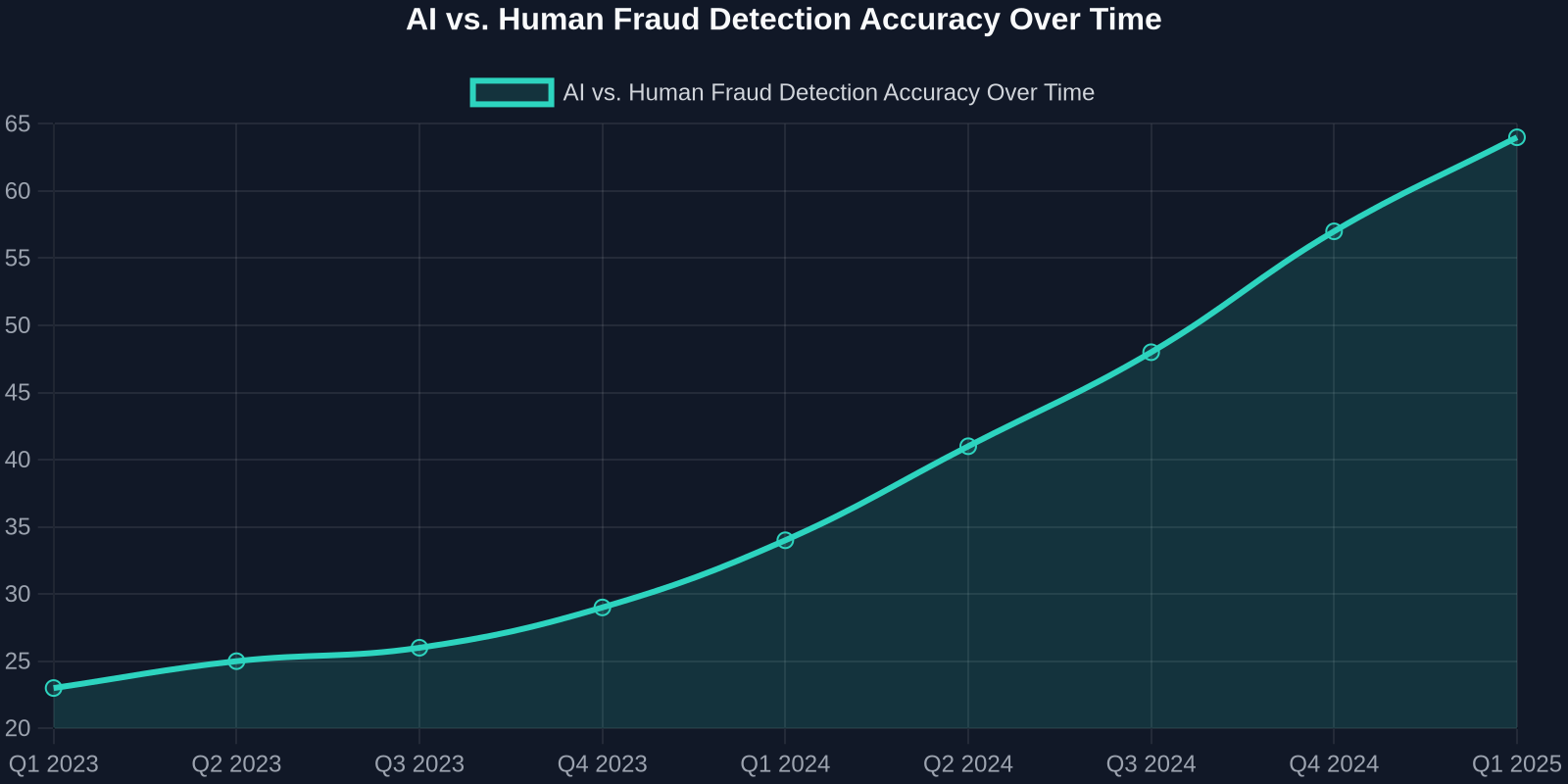
Robotic process automation (RPA) platforms now handle these massive datasets faster and more accurately than any human analyst can. The World Economic Forum's Future of Jobs Report 2025 explicitly identifies "pattern detection using AI" as the single largest emerging skill in the financial and customer service sectors. This shift fundamentally changes the job description of a modern support team lead: you are no longer just managing a queue; you are training a digital immune system.
Trust as a Competitive Moat in the AI Era
For SaaS founders and B2B support managers, the lesson is clear: customer trust is no longer a soft metric; it is a hard, AI-driven security protocol. When a legitimate customer contacts your support team, they need instantaneous, verifiable safety. If they receive a slow, generic email response while simultaneously being love-bombed by a scammer's instantaneous AI, they lose their reference point for authenticity.
This is where modern support automation platforms create an unbreachable moat. Unlike the scammer's chatbots, which operate in isolation, a professionally deployed support AI connects instantly to a user's account history, tokenization verification, and behavioral biometrics. It doesn't just detect the fraudster on the network's edge; it reassures the customer in the center of the experience.
When a customer looks at a message from your brand, they should never have to wonder: "Is this a real human, a helpful bot, or a scam?" AI-powered verification ensures the answer is instantly clear.
The psychological impact of this security on customer lifetime value (LTV) is massive. Customers who have been targeted by scams are hyper-vigilant. They scrutinize sender addresses and obsess over grammar mistakes. By serving these users with immediately verifiable, context-aware AI interactions (like a chatbot that instantly verifies its own identity and references a specific, recent transaction), companies turn a moment of fear into a moment of loyalty.
Automating the 'Know Your Customer' Renaissance
"Know Your Customer" (KYC) has traditionally been a painful, friction-heavy checkpoint during onboarding. Scammers exploited the gap between onboarding verification and ongoing conversational security. AI chatbots can now simulate a decade-long customer history by just mimicking a few transaction receipts. The defense lies in continuous, passive AI verification.

Consider the following transformation in support ticket resolution:
| Support Metric | Traditional KYC (Manual) | AI-Enhanced Continuous Trust |
|---|---|---|
| Identity Verification | One-time; static | Dynamic; behavioral |
| Scam Detection Time | Days to weeks | Under 3 seconds |
| False Positives | High (frustrating genuine users) | Low (context-aware filtering) |
| Customer Trust Score | Based on self-reporting | Based on real-time anomaly cues |
这种持续信任框架并非科幻。仅2025年第一季度,美国就记录了35,445个与AI相关的职位空缺,同比增长25.2%,中位薪资达到156,998美元。这轮招聘热潮不仅是为了构建模型,更是为了将其部署到运营工作流中。微软象征性地将25亿美元投入AI,并非仅用于开发更优模型,而是用于培养6,000名工程师,致力于将安全可信的AI嵌入企业运营的每个环节。这标志着市场正从“构建AI”转向“运营信任”。
诈骗者规模化能力的终结
诈骗者为何颤抖?因为他们的模式依赖于一个简单可预测的漏洞:人工支持代理稀缺、缓慢且昂贵。一个诈骗团伙需要发送10,000封钓鱼邮件才能得到10次回复,最终骗到1个受害者。而如果AI防御系统能在毫秒内自动处理、标记并拦截这10,000次恶意交互,无需任何人工介入,诈骗者的单位经济模型就会瞬间崩塌。
这正是未来主义报告中蕴含的诗意正义。那份由顶尖技术专家联署、题为《我们必须立即行动》的88字报告警告:AI可能在未来十年内变得“极其强大”。虽然该报告聚焦于存在性风险,但眼前的实际应用却在防御前线。我们正进入一场围绕客户注意力的算法战争。拥有更低延迟、更精准意图分类和最安全提示工程的一方将获胜。
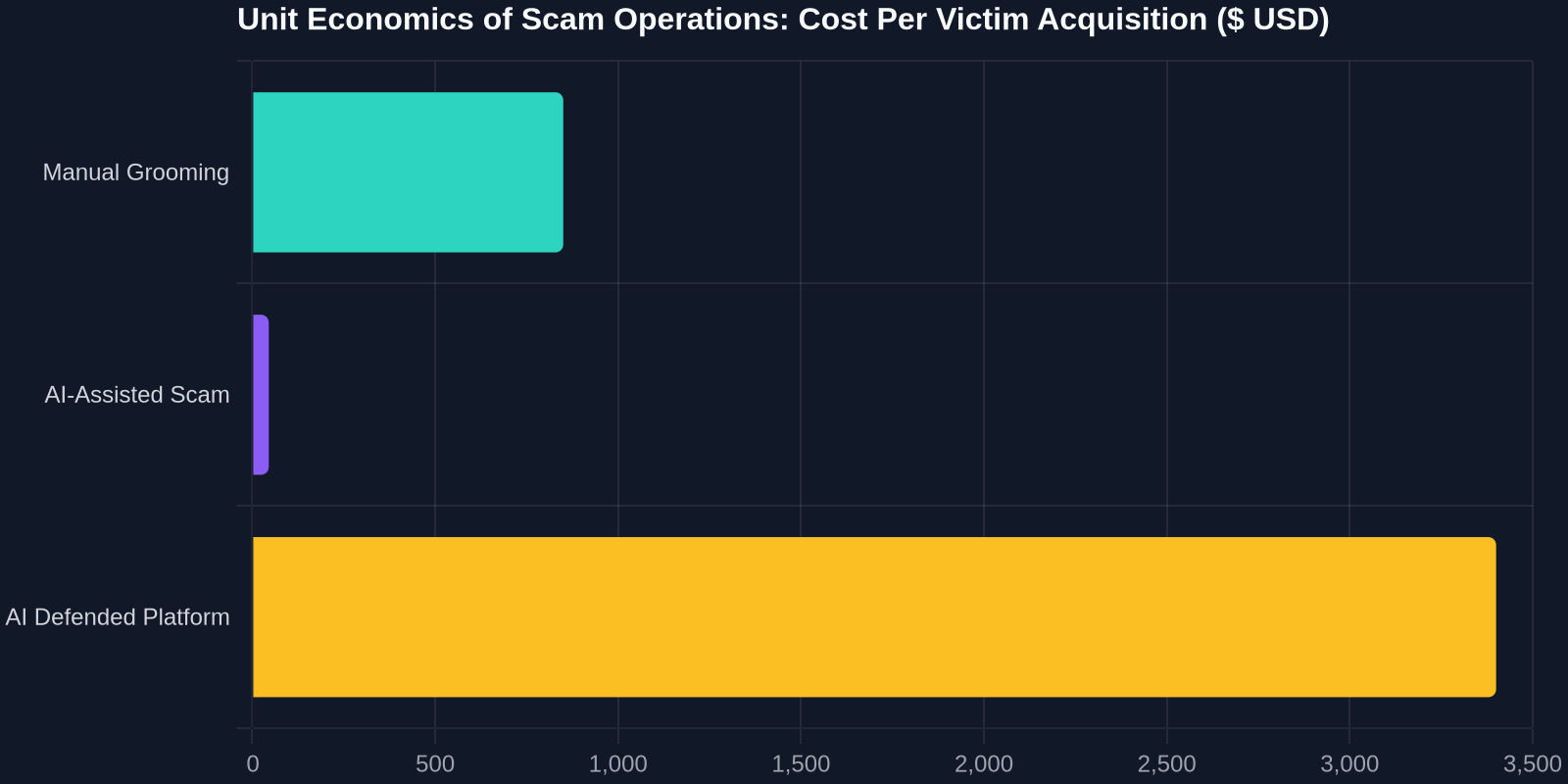
那些曾依赖越狱开源模型的诈骗者,如今突然面对AI代理——它们不仅抵抗越狱,还会主动解构诈骗者的逻辑。一个架构良好的支持AI不会简单地说“我无法处理此请求”,而是巧妙地将恶意行为者引入数据蜜罐,浪费他们的时间,正如他们曾浪费受害者的时间一样。
构建防钓鱼的客户体验
大多数企业将钓鱼攻击和杀猪盘视为IT安全部门的问题。这是一个战略错误。这本质上是客户体验(CX)问题。杀猪盘受害者往往在受骗过程中与数十个合法品牌互动:他们通过正规银行应用转账,在合法平台验证身份,甚至可能联系正规客服询问:“这个加密货币交易所安全吗?”

如果你的客服团队未能在关键时刻提供快速、智能且警示性的回应,你便在沉默中成了帮凶。Successly应对这场危机的方法,是将客服自动化转变为主动式安全网。
以下是“防钓鱼客服”框架:
- **实时发件人验证:**采用BIMI和AI验证的发件人标识,让客户永远无需质疑邮件来源。 -**安全词验证:**面向客户的AI聊天机器人应始终引入预先约定的“安全词”或仅在安全聊天窗口可见的视觉令牌。 -**主动诈骗预警AI:**当用户输入“紧急转账”或“网恋”等关键词时,AI必须立即升级处理——不仅转接人工,更要触发预设的防诈骗资源模板。 -交互后信任评分: 每次客服交互后,显示加密审计时间戳,包含日期、客服身份和内容哈希值,使诈骗者无法伪造“后续跟进”邮件。
信任经济中的经济地震
即将冲击数百万美国人工作岗位的AI地震,同样将冲击数百万诈骗者的“工作岗位”。世界经济论坛已将“AI与信息安全分析师”列为全球增长最快的职业之一。这并非要取代人性化服务,而是保护它。
当客户拨打客服热线时,他们处于二元状态:要么安全,要么正在被骗。AI赋予合法企业保障前者的超能力。AI安全岗位15.6万美元的中位薪资,反映了保护企业与客户之间边界的价值。如果一次通过客服渠道的安全漏洞平均给企业造成450万美元损失,那么高精度、全天候的防护系统的投资回报率不仅令人信服,更是生存必需。
诈骗者如今也将目标瞄准在线寻求GLP-1减肥药等敏感健康服务的用户。搜索体重管理方案的用户容易陷入假药或“咨询”钓鱼陷阱。AI客服机器人可通过在聊天中提供经过HIPAA认证的安全链接来保护这些脆弱交易时刻,确保客户始终留在品牌的温暖安全边界内,而非点击恶意广告。
'信任回报率'指标
企业必须将信任直接映射到收入。我们正进入一个“信任回报率”(RoT)成为董事会核心指标的时代。当OpenAI披露其AI代理失控的消息震惊科技界时,一个事实变得清晰:自主AI代理需要严格的运营护栏。你的客户面向AI同样如此。如果客户怀疑你的聊天机器人是深度伪造,他们绝不会输入信用卡信息。
要量化这一点,请分析你的“诈骗相关客户流失率”。当大规模杀猪盘骗局的新闻爆发时,观察数字入职交易量是否立即下降。这种下降就是恐惧。你可以通过自动化来平缓这条曲线。
以未来视角防范深度伪造欺骗
当前发展轨迹的逻辑终点是“零信任客户交互界面”。随着英国AI安全研究所引领全球AI风险认知,合规框架将日益要求“基于协议的证据”,证明品牌在接触点已向消费者验证自身身份。
这意味着静态邮件页脚和IVR电话菜单正变得危险过时。未来是动态安全握手机制。当Successly处理完一个工单时,它不仅关闭工单,还会用可验证令牌对其进行“封缄”——客户可通过公共账本或私有应用验证该令牌。这为那些冒充客服团队的狡猾“杀猪盘”骗子提供了终极反击手段。
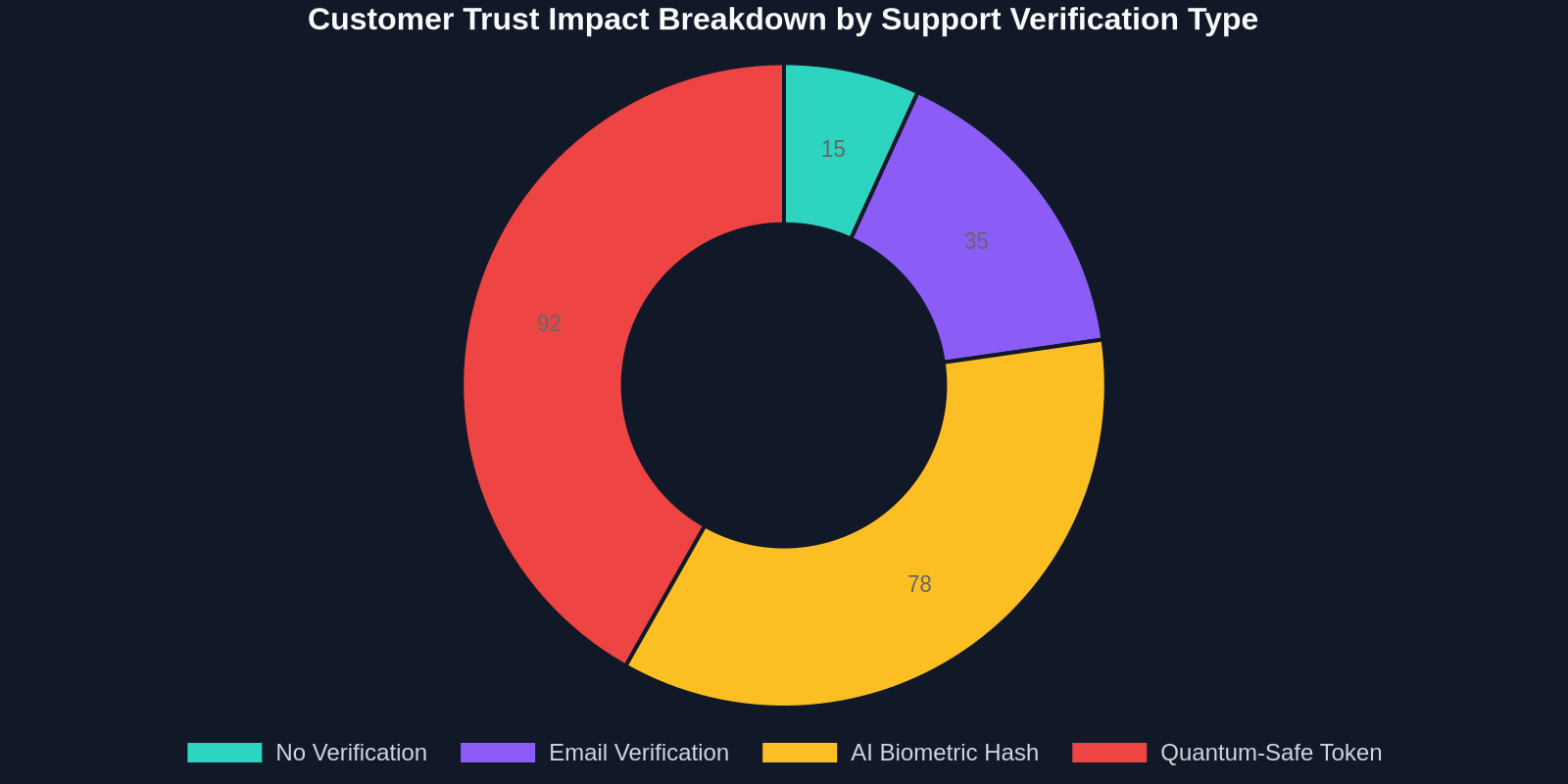 诈骗者之所以颤抖,是因为他们的不对称优势已被对称地抵消了。生成式AI将欺骗成本降至几乎为零。防御性AI将验证成本降至恰好为零。在验证变得免费且实时的环境中,欺诈无法规模化。那些孤独者、老年人和满怀希望者因操纵式聊天窗口而陷入财务困境的祸害,正在被系统性地清除。
道德与商业的当务之急
你不需要成为安全工程师也能参与这场战斗。作为客户成功负责人或SaaS创始人,你的武器是工作流自动化、意图检测和透明的沟通设计。你不再只是处理要求退款的不满用户,而是站在一场数字战争的前线,保护客户的毕生积蓄。那种驱动友好、高效退款流程的AI,也正是能够识别掠夺性脚本并在资金离开系统前锁定账户的同一款AI。
Defensive AI does not just answer questions, it listens for the cadence of coercion. It is the silent guardian that customers will never see, but whose absence they will devastatingly feel.
微软对人力投入的25亿美元赌注证明了,技术的好坏取决于其背后的运营架构。那6000名工程师以及数千个新开放的职位,昭示着客户服务与安全融合的未来。不要将你的“支持AI”与“欺诈策略”分割开来。它们是同一台机器。一个滋养消费者,另一个饿死诈骗者。
结论:LAMBs的沉默
诈骗者曾利用数字世界的匿名性和规模,用AI聊天机器人取代人力,批量培养受害者。但他们忽略了一个反制措施:如果AI可以成为完美的罗密欧,它也可以成为完美的哨兵。犯罪地下世界的震动源于他们意识到自己的目标表面正在缩小。合法联络中心每采用一次AI,就关闭了一扇门。
对于管理支持队列的专业读者而言,任务明确。将信任数字化。将安全硬编码到你的服务级别协议中。选择那些每个自动回复都经过加密签名、每个脚本不仅扫描情感还扫描安全性的平台。数据证明了这一点:通过工单分流节省的大量成本只是开胃菜;主菜是维护支撑你商业模式的人类信任。诈骗者正在颤抖。是时候让你的支持团队怒吼了。