I-9 Platformlarında E-Doğrulama Entegrasyonu için Nihai Kılavuz

I-9 Platformlarında E-Doğrulama Entegrasyonu için Nihai Kılavuz
Günümüzün hızlı tempolu iş ortamında kusursuz ve uyumlu bir işe alım sürecinin sağlanması çok önemlidir. Mevzuat gerekliliklerinin karmaşıklığının artmasıyla birlikte, E-Doğrulamayı I-9 platformlarına entegre etmek birçok kuruluş için bir zorunluluk haline geldi. Bu kılavuz, ilk kurulumdan devam eden optimizasyona kadar E-Doğrulama entegrasyonu hakkında bilmeniz gereken her şeyde size yol gösterecektir.
_
E-Doğrulama ve I-9 Platformlarını Anlamak
E-Doğrulama nedir?
E-Doğrulama, bir çalışanın Form I-9'daki (İstihdam Uygunluğu Doğrulaması) bilgileri, istihdam uygunluğunu doğrulamak için ABD İç Güvenlik Bakanlığı ve Sosyal Güvenlik İdaresi kayıtlarındaki verilerle karşılaştıran internet tabanlı bir sistemdir.
I-9 Platformları Nelerdir?
I-9 platformları, Form I-9 sürecini elektronik ortamda yönetmek için tasarlanmış dijital çözümlerdir. Bu platformlar, kuruluşların I-9 formlarının toplanmasını, saklanmasını ve yönetimini kolaylaştırmasına yardımcı olarak ABD istihdam yasalarına uygunluğu sağlar.
_
E-Doğrulama Entegrasyonunun Faydaları
Gelişmiş Uyumluluk
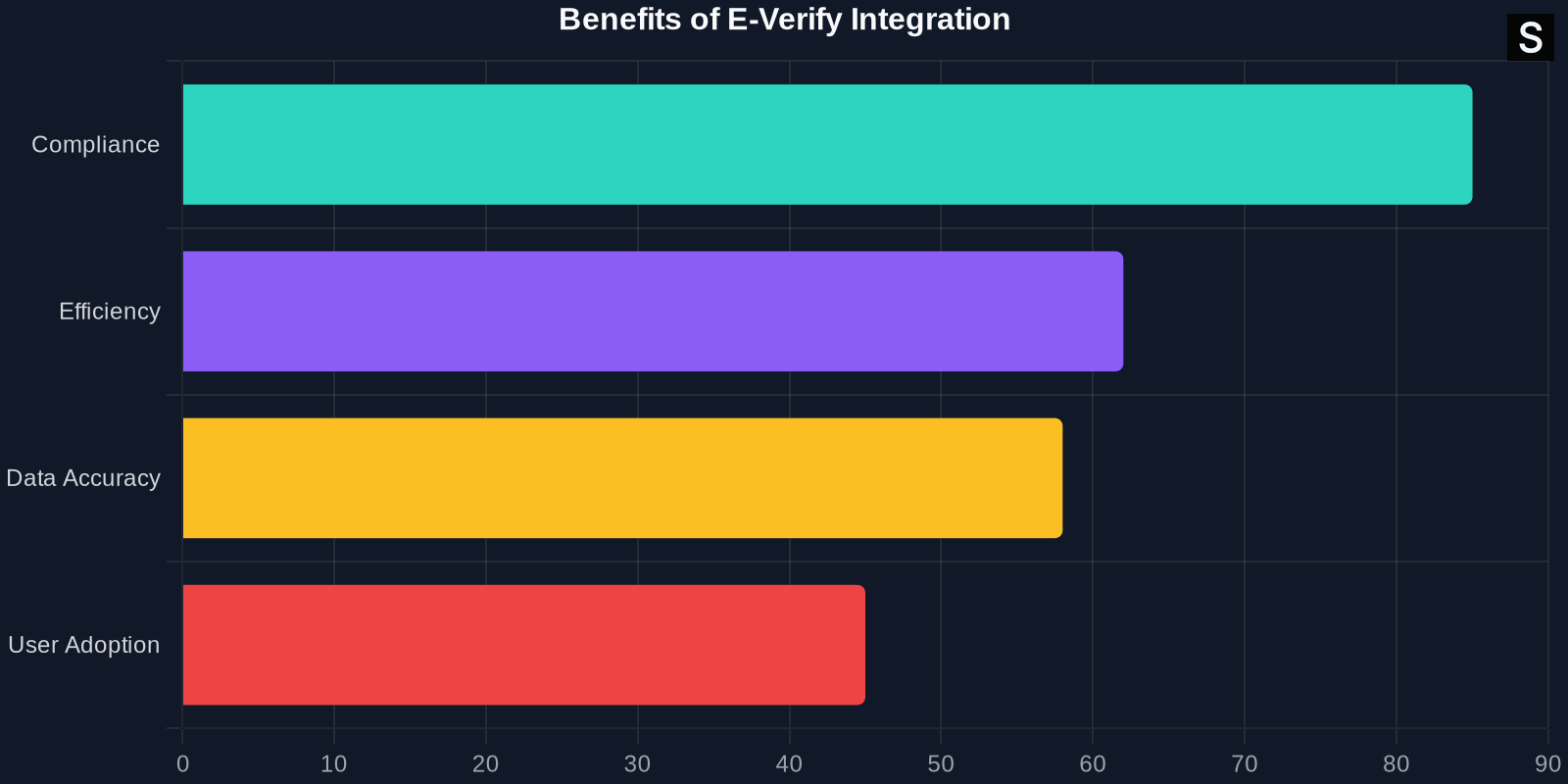
E-Doğrulamayı I-9 platformlarıyla entegre etmenin temel faydalarından biri gelişmiş uyumluluktur. Kuruluşlar, doğrulama sürecini otomatikleştirerek gerekli tüm adımların takip edilmesini sağlayabilir ve uyumsuzluk riskini ve olası cezaları azaltabilir.
Geliştirilmiş Verimlilik
E-Doğrulama entegrasyonu aynı zamanda işe alım sürecinde verimliliğin artmasına da yol açabilir. Doğrulama sürecinin otomatikleştirilmesi, gerekli kontrollerin tamamlanması için gereken süreyi ve çabayı önemli ölçüde azaltarak İK ekiplerinin diğer kritik görevlere odaklanmasına olanak tanır.
Daha İyi Veri Yönetimi
E-Doğrulamayı I-9 platformlarıyla entegre etmek veri yönetimini de geliştirebilir. Tüm istihdam doğrulama verilerini tek bir sistemde merkezileştirerek kuruluşlar bu bilgileri daha kolay takip edip yönetebilir ve bu bilgilerin her zaman güncel ve doğru olmasını sağlayabilir.
E-Doğrulamayı I-9 Platformlarına Entegre Etme Adımları
1. Adım: Mevcut Sürecinizi Değerlendirin
E-Doğrulamayı I-9 platformunuza entegre etmeden önce mevcut sürecinizi değerlendirmeniz önemlidir. Bu, mevcut I-9 yönetim sisteminizin gözden geçirilmesini, boşlukların veya verimsizliklerin belirlenmesini ve E-Doğrulama'nın bu sorunları nasıl çözebileceğinin belirlenmesini içerir.
Adım 2: Doğru I-9 Platformunu Seçin
Tüm I-9 platformları eşit yaratılmamıştır. Yalnızca mevcut ihtiyaçlarınızı karşılayan değil, aynı zamanda E-Doğrulama ile sorunsuz bir şekilde entegre olabilme yeteneğine sahip bir platform seçmeniz çok önemlidir. Güçlü entegrasyon özellikleri sunan ve başarılı E-Doğrulama entegrasyonu konusunda kanıtlanmış bir performans geçmişine sahip platformları arayın.
3. Adım: Entegrasyonu Planlayın
Doğru I-9 platformunu seçtikten sonraki adım entegrasyonu planlamaktır. Bu, ayrıntılı bir entegrasyon planı geliştirmek için BT ekibiniz ve platform sağlayıcınızla birlikte çalışmayı içerir. Plan, entegrasyon sürecine dahil olan adımları, zaman çizelgesini ve gerekli kaynakları özetlemelidir.
Adım 4: Entegrasyonu yürütün
Ayrıntılı bir plan uygulandığında bir sonraki adım entegrasyonun gerçekleştirilmesidir. Bu, I-9 platformunun E-Doğrulama ile çalışacak şekilde yapılandırılmasını, entegrasyonun doğru çalıştığından emin olmak için test edilmesini ve İK ekibinizin yeni sistemin nasıl kullanılacağı konusunda eğitilmesini içerir.
5. Adım: İzleyin ve Optimize Edin
Entegrasyon tamamlandıktan sonra sistemin performansının izlenmesi ve gerekli ayarlamaların yapılması önemlidir. Bu, sistem performansının düzenli olarak gözden geçirilmesini, kullanıcılardan geri bildirim alınmasını ve entegrasyonun beklenen faydaları sağladığından emin olmak için sürekli iyileştirmeler yapılmasını içerir.
Yaygın Zorluklar ve Çözümler
Zorluk 1: Entegrasyon Karmaşıklığı
E-Doğrulamayı I-9 platformlarıyla entegre etmek, özellikle sınırlı BT kaynaklarına sahip kuruluşlar için karmaşık olabilir. Bu zorluğun üstesinden gelmek için, sağlam destek sunan ve başarılı entegrasyon konusunda kanıtlanmış bir geçmişe sahip bir platform sağlayıcıyla çalışmak çok önemlidir.
Zorluk 2: Veri Doğruluğu
Veri doğruluğunun sağlanması diğer bir yaygın zorluktur. Bu sorunu çözmek için kuruluşlar sağlam veri doğrulama süreçlerini uygulamalı ve verilerinin doğru ve güncel olduğundan emin olmak için verilerini düzenli olarak denetlemelidir.
_
3. Zorluk: Kullanıcı BenimsemeKullanıcının benimsenmesi de zorlayıcı olabilir. Başarılı bir benimseme sağlamak için kullanıcılara kapsamlı eğitim ve destek sağlamak çok önemlidir. Bu, uygulamalı eğitim oturumları sunmayı, kullanıcı kılavuzları oluşturmayı ve ortaya çıkan sorunları veya soruları ele almak için sürekli destek sağlamayı içerir.
E-Doğrulama Entegrasyonu için En İyi Uygulamalar
En İyi Uygulama 1: Özelleştirmeden Önce İş Akışlarını Haritalayın
I-9 platformunuzu özelleştirmeden önce iş akışlarınızın haritasını çıkarmanız önemlidir. Bu, işe alım sürecinizdeki temel adımları tanımlamayı, E-Doğrulama'nın bu adımlara nasıl uyduğunu belirlemeyi ve entegrasyonun bu iş akışlarını desteklediğinden emin olmayı içerir.
En İyi Uygulama 2: Düzenli Olarak İnceleme ve Güncelleme
Entegrasyonunuzu düzenli olarak gözden geçirmek ve güncellemek, kuruluşunuzun ihtiyaçlarını karşılamaya devam etmesini sağlamak açısından çok önemlidir. Bu, kullanıcılardan geri bildirim almayı, sistemin performansını izlemeyi ve sürekli iyileştirmeler yapmayı içerir.
En İyi Uygulama 3: Düzenlemelere Uyumu Sağlayın
Düzenlemelere uygunluğun sağlanması bir başka en iyi uygulamadır. Bu, en son yasal gerekliliklerle güncel kalmayı, süreçlerinizi düzenli olarak denetlemeyi ve uyumluluğu sağlamak için gerekli düzenlemeleri yapmayı içerir.
Vaka Çalışmaları
Örnek Olay 1: Teknoloji Şirketi
Önde gelen bir teknoloji şirketi, E-Doğrulamayı I-9 platformuna başarıyla entegre ederek doğrulama sürecini tamamlamak için gereken süreyi %40 oranında azalttı. Entegrasyon aynı zamanda veri doğruluğunu ve uyumluluğunu da geliştirerek daha verimli ve güvenli bir işe alım sürecine yol açtı.
Örnek Olay 2: Sağlık Organizasyonu
Bir sağlık kuruluşu, E-Doğrulamayı I-9 platformuyla entegre ederek önemli ölçüde zaman tasarrufu sağladı ve uyumluluğu artırdı. Entegrasyon aynı zamanda veri yönetimini de geliştirerek kuruluşun istihdam doğrulama verilerini daha kolay izlemesine ve yönetmesine olanak tanıdı.
E-Doğrulama Entegrasyonunda Gelecekteki Eğilimler
Trend 1: Artan Otomasyon
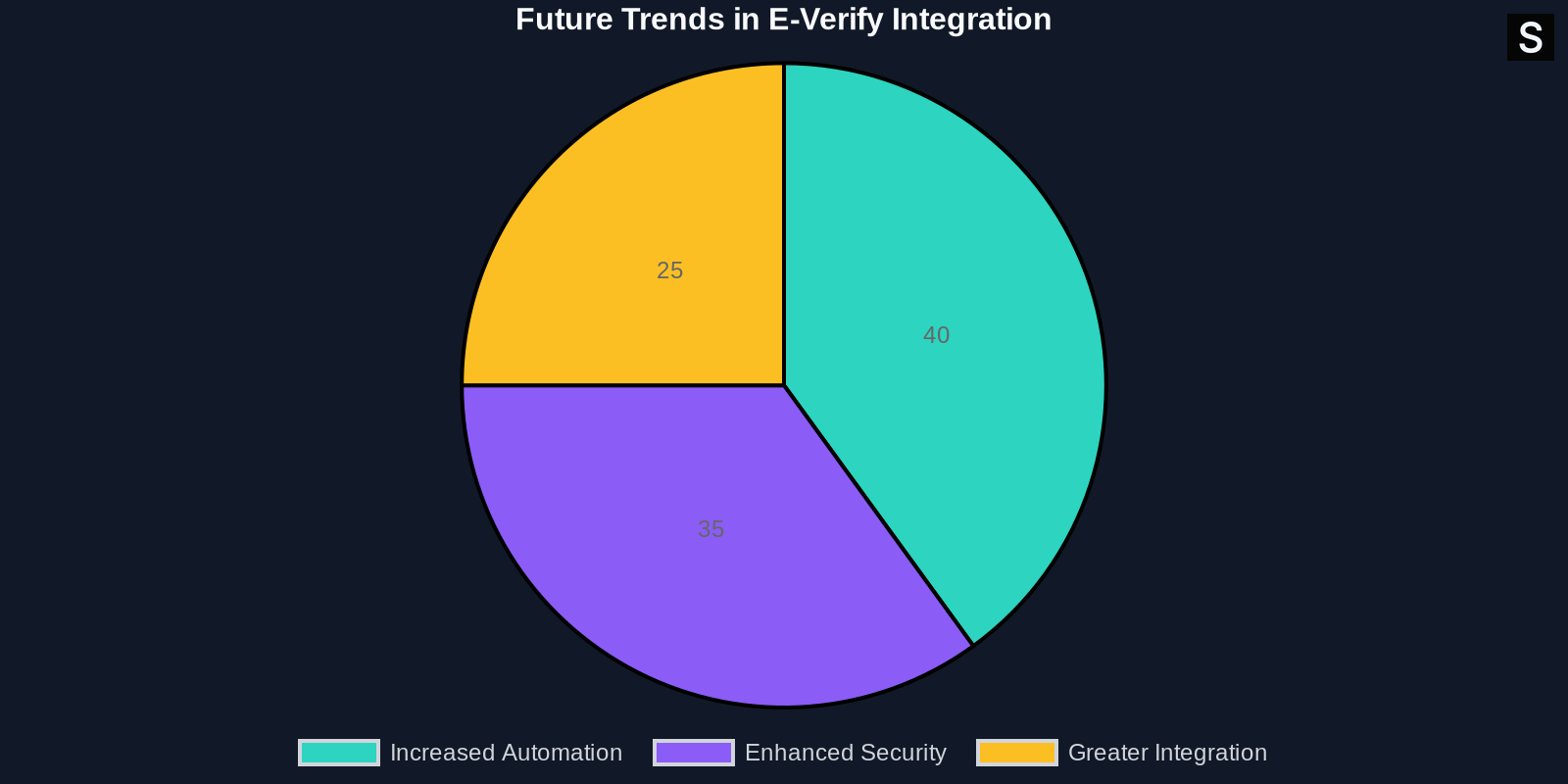
E-Doğrulama entegrasyonunda gelecekteki trendlerden biri artan otomasyondur. Teknoloji gelişmeye devam ettikçe işe alım sürecini daha da kolaylaştıran ve verimliliği artıran daha gelişmiş otomasyon özellikleri görmeyi bekleyebiliriz.
Trend 2: Gelişmiş Güvenlik
Gelişmiş güvenlik bir başka gelecek trendidir. Artan siber saldırı tehdidiyle birlikte kuruluşların, verilerini korumak ve düzenlemelere uyumu sağlamak için daha sağlam güvenlik önlemleri alması gerekecek.
Trend 3: İK Sistemleriyle Daha İyi Entegrasyon
İK sistemleriyle daha fazla entegrasyon da gelecekteki bir trend. Kuruluşlar İK süreçlerini kolaylaştırmaya çalışırken, E-Doğrulama, I-9 platformları ve diğer İK sistemleri arasında daha kusursuz entegrasyonlar görmeyi bekleyebiliriz.
Sonuç
E-Doğrulamayı I-9 platformlarıyla entegre etmek, işe alım süreçlerini kolaylaştırmak, uyumluluğu sağlamak ve güvenliği artırmak isteyen kuruluşlar için çok önemli bir adımdır. Kuruluşlar, bu kılavuzda özetlenen adımları izleyerek, sık karşılaşılan zorlukları ele alarak ve en iyi uygulamaları uygulayarak, E-Doğrulama'yı başarılı bir şekilde entegre edebilir ve daha verimli ve güvenli bir işe alım sürecinin avantajlarından yararlanabilir.
Harekete Geçirici Mesaj
E-Doğrulama entegrasyonuyla işe alım sürecinizi dönüştürmeye hazır mısınız? Mevcut sürecinizi değerlendirerek, doğru I-9 platformunu seçerek ve entegrasyonunuzu planlayarak başlayın. Doğru yaklaşımla daha verimli, uyumlu ve güvenli bir işe alım süreci elde edebilirsiniz.