
Entra hoy en cualquier sala de juntas y escucharás el mismo estribillo: "Necesitamos una estrategia de IA". Pero la conversación que sigue suele estar plagada de conceptos erróneos. Los líderes empresariales confunden la IA con envoltorios de ChatGPT, tratan las plataformas SaaS como cimientos inquebrantables y suponen que poner un chatbot en el sitio web de alguna manera cuenta como innovación. ¿La verdad? La mayoría de la gente está viendo la IA y el SaaS de la manera equivocada.
Este desajuste no es solo académico, cuesta dinero real. Las organizaciones que ganarán en la próxima década son aquellas que entienden dónde reside la verdadera defendibilidad, cómo implementar agentes autónomos sin romper la confianza y por qué la economía de la IA exige un manual completamente diferente al del software tradicional.
Vamos a desglosar los cuatro cambios críticos que separan lo estratégico de lo superficial.
1. Los agentes de IA no son chatbots, son trabajadores autónomos
El error más generalizado en la IA empresarial es equiparar a los agentes con simples bots conversacionales. Un chatbot espera una pregunta y recupera una respuesta prefabricada. Un agente de IA, por el contrario, planifica, razona, decide y ejecuta flujos de trabajo completos sin necesidad de supervisión humana. Puede navegar por múltiples sistemas, consultar inventario, actualizar registros e incluso comunicarse con otros agentes, todo mientras mantiene el contexto.
| Capability | Traditional Chatbot | AI Agent |
|---|---|---|
| Task Scope | Single Q&A turn | Multi-step workflow |
| Decision Making | Rule-based, static | Dynamic, context-aware |
| Tool Use | None or limited | API calls, database queries |
| Learning | Manual updates | Continuous from interactions |
| Outcome | Resolved query | Completed business process |
Esta distinción explica por qué el 79% de las empresas están adoptando activamente agentes de IA, según una investigación citada por el artículo original de Inc. El mercado se mueve rápido porque la economía es innegable: cuando un agente puede gestionar una autorización de devolución de principio a fin, comprobar el pedido, verificar el plazo de devolución, emitir una etiqueta y actualizar el programa de fidelización, ya no solo estás desviando un ticket; estás ejecutando un proceso sin mano de obra.
Salesforce recientemente recortó 4,000 puestos de soporte mientras expandía simultáneamente su plataforma Agentforce, una señal de que la automatización de funciones laborales completas ya no es una fantasía futurista. Pero esto crea una bifurcación estratégica para cada negocio SaaS: o construyes flujos de trabajo agénticos propietarios que se conviertan en tu foso, o corres el riesgo de ser mercantilizado por agentes nativos de la plataforma que tus competidores pueden activar de la noche a la mañana.
2. La paradoja de los datos: el superpoder de la IA es también su mayor riesgo
Toda conversación sobre IA termina recayendo en los datos. Los modelos mejoran con más datos, por lo que las organizaciones se apresuran a alimentarlos con todo. Pero el secreto sucio, el que "molesta a algunas personas", como señala el artículo, es que el hambre de datos de la IA está en tensión directa con la privacidad, la seguridad y la independencia de la plataforma.

La IA depende de grandes cantidades de datos para avanzar. La alucinación sigue siendo un problema persistente, y cuanto más aprende un modelo de fuentes no gobernadas, más difícil resulta garantizar la precisión. Para las empresas SaaS, esto crea una vulnerabilidad particular: las funciones de IA que construyes hoy solo son tan buenas como los datos que puedas controlar mañana. Si ejecutas toda tu capa de inteligencia en una plataforma de terceros, en efecto, estás entrenando el modelo de otra persona gratis.
Por eso los equipos de soporte más progresistas se están alejando de la IA puramente dependiente de plataformas hacia soluciones donde conservan la soberanía de los datos. Cuando Successly procesa miles de conversaciones de clientes a diario, por ejemplo, los conocimientos resultantes, los grupos de intención, los patrones de resolución, las señales de abandono, permanecen dentro del ecosistema del cliente, no se absorben en un modelo de caja negra.
3. El gasto en IA no es como el gasto en software, y eso lo cambia todo
El SaaS de software tradicional conlleva costos predecibles: una licencia por usuario, quizás algunas tarifas de infraestructura. La IA, especialmente la IA generativa, se comporta de manera completamente diferente. Los costos se basan en el consumo, piensa en tokens en lugar de asientos, y pueden dispararse de manera impredecible si no se controlan. El artículo de Inc. señala que muchos productos SaaS de IA apuntan a márgenes brutos saludables gestionando estrictamente el uso de tokens y eligiendo modelos más baratos cuando es posible. Pero para el cliente final, la naturaleza variable del gasto en IA rompe todos los antiguos modelos de presupuesto.
Considera esto: hasta agosto de 2025, un estudio de casos de uso de IA mostró que las organizaciones utilizan principalmente la IA para reducir mano de obra y costos. Esa es una historia clásica de retorno de inversión, pero enmascara la complejidad real. Cuando implementas un agente de IA para manejar el 40% del volumen de soporte, tu costo por interacción cae drásticamente, pero tu gasto total en tecnología podría aumentar en realidad, al menos inicialmente. La diferencia es que el gasto pasa de fijo (personas) a variable (tokens), y esa variabilidad te da un apalancamiento operativo que la plantilla tradicional nunca podría.
Los operadores inteligentes ya están construyendo marcos internos para la asignación de costos de IA que distinguen entre:
- Costos de inferencia de referencia (necesarios para mantener el servicio)
- Tokens de innovación (experimentación)
- Capacidad de desbordamiento (manejar picos sin contratar personal temporal)
Esta segmentación les permite tratar el gasto en IA como una palanca de inversión en lugar de una partida de gastos.
La IA puede hacerte más rápido. Pero si todo tu negocio vive dentro de la plataforma de otra persona, puede que estés construyendo sobre terreno prestado.
4. El 99.96% sigue mirando, y eso es una oportunidad
Quizás la estadística más impactante del artículo es que solo el 0.04% de las personas están codificando activamente con IA. El otro 99.96% está mirando desde una ventana. Esto no es un fracaso de adopción; es una señal de que las herramientas actuales aún requieren demasiada sofisticación técnica para desbloquear valor real.

Para los líderes de experiencia del cliente (CX) en SaaS, esto tiene implicaciones profundas. Tus equipos de soporte de primera línea no van a aprender Python. Necesitan interfaces de IA que abstraigan la complejidad y les permitan beneficiarse de la inteligencia sin convertirse en ingenieros. Las empresas que superen esta barrera de usabilidad capturarán un mercado enorme y desatendido de trabajadores del conocimiento que quieren la ampliación con IA pero no pueden programar para lograrlo.
Aquí es donde brillan las plataformas de IA creadas específicamente. En lugar de esperar que los agentes de soporte elaboren indicaciones o ajusten modelos, herramientas como Successly integran la IA directamente en el flujo de trabajo de resolución de tickets. Los agentes reciben respuestas sugeridas, artículos de base de conocimiento redactados automáticamente y análisis de sentimiento del cliente en tiempo real, todo sin tocar nunca una clave de API. El resultado es que toda la organización de soporte se beneficia de la IA, no solo el científico de datos en la esquina.
5. Terreno prestado vs. terreno defendible
Cuando construyes toda tu experiencia de IA sobre el modelo fundacional y la plataforma de otra persona, esencialmente estás alquilando tu inteligencia. El artículo de Inc. advierte que las cuentas se suspenden, las APIs se deprecan y los precios cambian. Un día te despiertas y la alfombra se ha movido.
Esto no significa que debas evitar las plataformas por completo. Pero sí significa que debes diseñar tu arquitectura de IA teniendo en cuenta la portabilidad:
- Abstrae tus plantillas de indicaciones y la lógica de tus agentes para que puedan ejecutarse en múltiples backends de modelos
- Posee tus datos de ajuste fino y tus incrustaciones vectoriales
- Mantén una ruta de respaldo que te permita cambiar de proveedor sin una reconstrucción completa
Cuando Successly implementa su automatización de soporte con IA, por ejemplo, la capa de inteligencia subyacente puede transportarse entre entornos de nube, proveedores de modelos e incluso configuraciones locales si es necesario. Esa flexibilidad no es solo un detalle técnico; es una póliza de seguro contra el riesgo de la plataforma.## 6. El espejismo de la creación de contenido
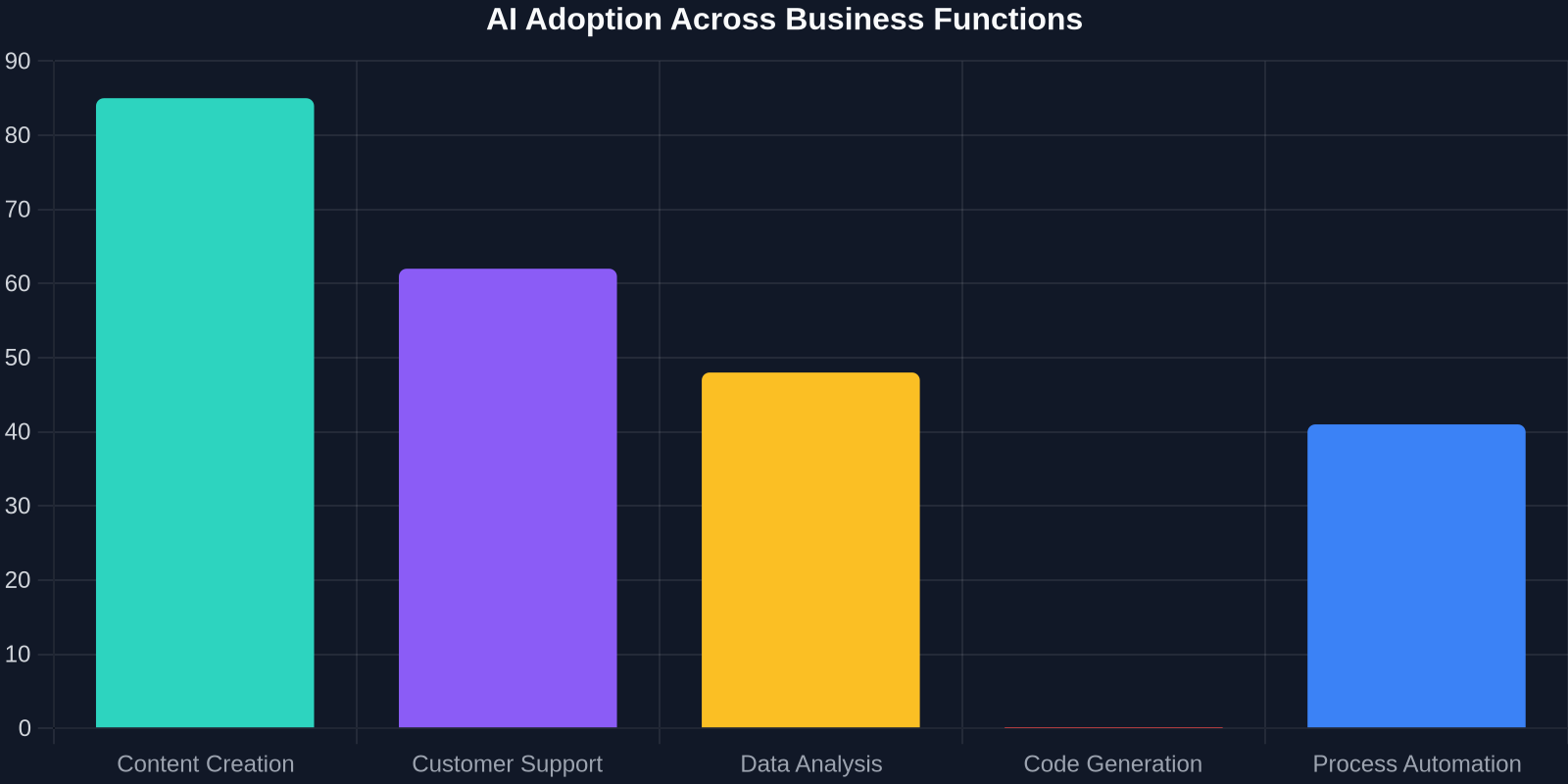
Hablemos del caso de uso más visible: el contenido. El 55% de las empresas están más ansiosas por usar IA para la creación de contenido, y el 85.1% de los usuarios de IA ya utilizan la tecnología para redactar artículos. Es la puerta de entrada. Pero también es una trampa si se convierte en toda la estrategia.

Escribir publicaciones de blog con IA ya es algo básico. Todo el mundo lo hace. La diferenciación proviene de usar la IA para gestionar tu negocio de manera diferente, automatizando flujos de trabajo internos, personalizando las interacciones con los clientes a escala, prediciendo la deserción antes de que ocurra. El contenido es la punta visible del iceberg; el 90% sumergido es donde reside el valor real.
7. El embudo de la realidad: de 20 millones a 1.3 millones
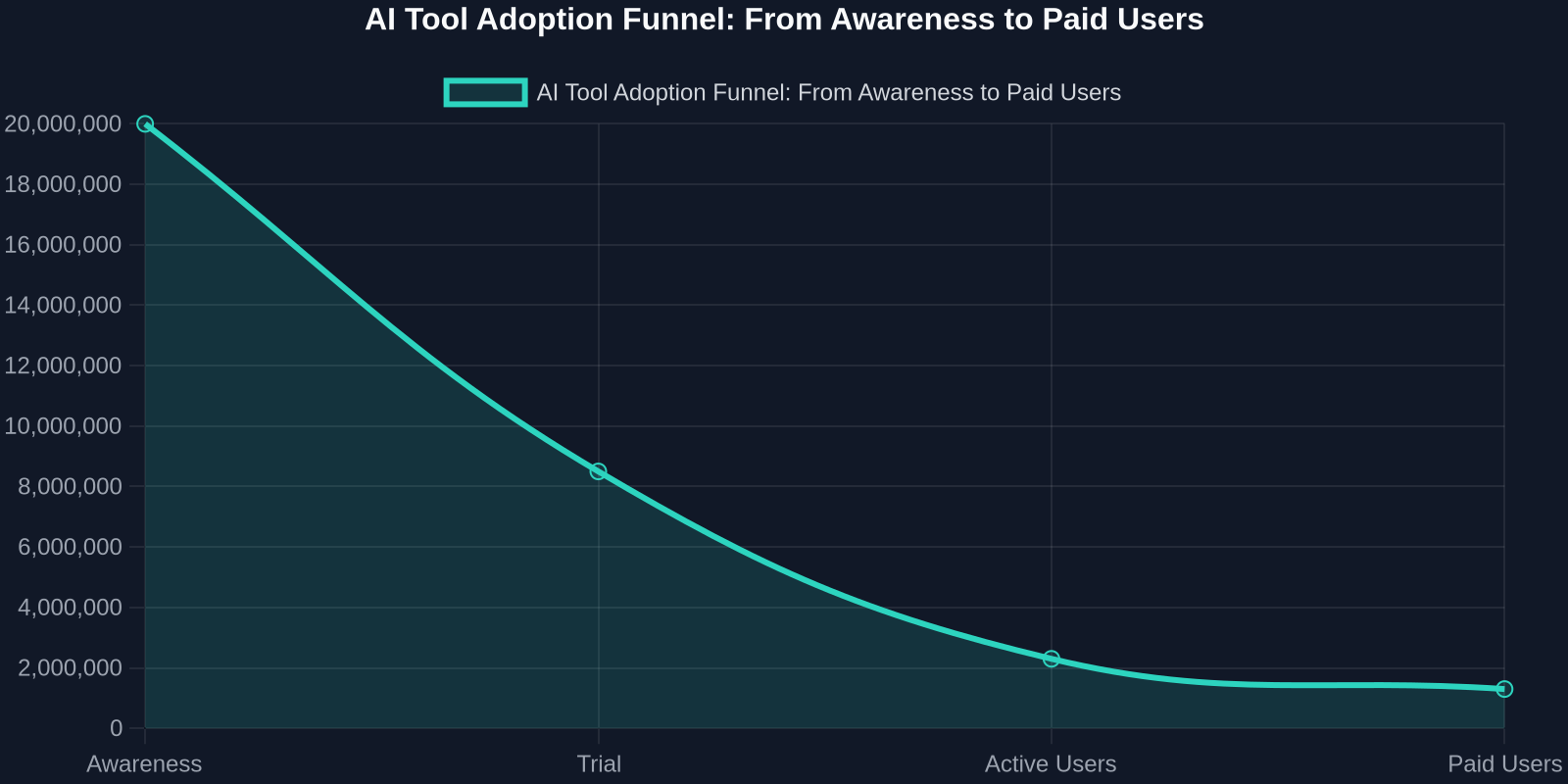
Una estadística que debería hacer reflexionar a todo fundador de SaaS: veinte millones de personas usaron la herramienta, pero solo 1.3 millones pagaron. Eso es una tasa de conversión del 6.5%, o, dicho de otro modo, 93 de cada 100 desarrolladores echaron un vistazo al precio y dijeron que no. Las herramientas de IA enfrentan una brecha de monetización brutal.
Este patrón se repite en toda la industria. El uso gratuito explota, pero la disposición a pagar queda muy rezagada. ¿Por qué? Porque muchas funciones de IA se sienten como algo agradable de tener más que como algo imprescindible. Hasta que una capacidad de IA impacte directamente en los ingresos, reduzca la deserción o demuestre una reducción de costos, sigue siendo una partida que se examina cada trimestre.
Para los líderes de CX, la lección es clara: no lideres con «IA». Lidera con resultados. «Nuestra IA resolverá el 40% de los tickets de nivel 1 al instante» es un caso de negocio. «Nuestra plataforma tiene funciones impulsadas por IA» es una lista de características. La diferencia en la conversión es abismal.
8. Construyendo para la organización de soporte nativa en IA
Entonces, ¿cómo se ve una estrategia de IA defendible y de alto retorno de inversión para las operaciones de soporte al cliente? Se basa en cinco pilares:
-
Poseer los datos de interacción. Cada conversación, cada resolución, cada escalamiento debe alimentar un bucle de retroalimentación propietario que haga que tu IA sea más inteligente con el tiempo.
-
Implementar agentes, no solo bots. Identifica los cinco flujos de trabajo repetibles principales en tu departamento de soporte y automatízalos de principio a fin. Piensa en procesamiento de devoluciones, actualizaciones de estado de pedidos, modificaciones de suscripciones.
-
Abstraer la dependencia del modelo. Construye o compra herramientas que te permitan intercambiar modelos de lenguaje sin reescribir toda tu pila de automatización.
-
Medir el costo por resolución, no solo la tasa de desvío. El verdadero KPI es el costo total de resolver el problema de un cliente, incluyendo inferencia de IA, transferencia humana y cualquier retrabajo.
-
Capacitar a todo el equipo, no solo a los desarrolladores. Proporciona herramientas de IA sin código que conviertan a cada agente de soporte en un superagente capaz de manejar consultas complejas con asistencia de IA.
9. La pregunta de los $15 billones: ¿Eres constructor o arrendatario?
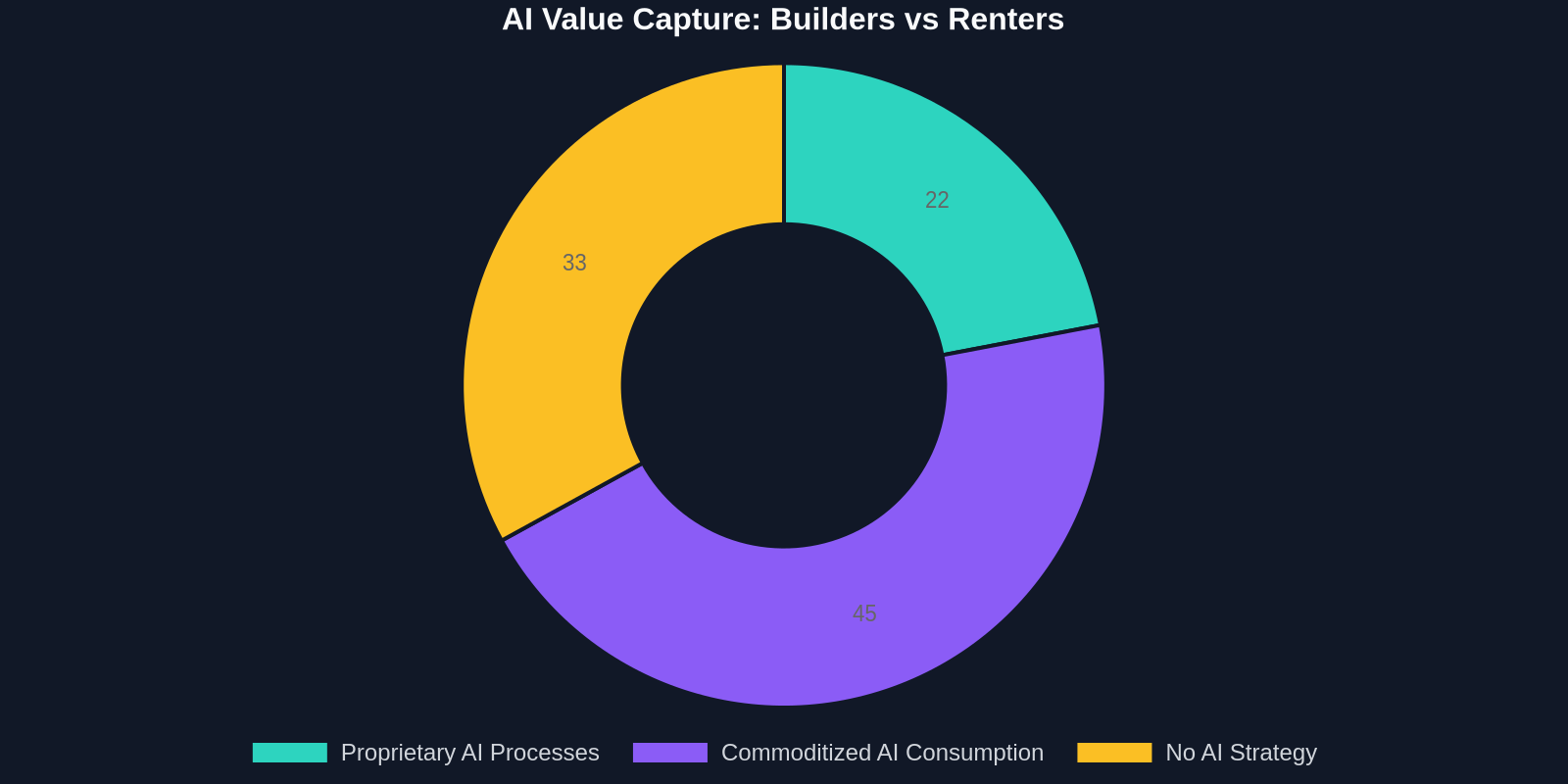
Las proyecciones macro son asombrosas: se proyecta que la IA contribuirá con $15 billones al PIB global para 2030. Pero ese valor no se distribuirá de manera uniforme. Fluirá desproporcionadamente hacia los constructores, aquellos que crean procesos defendibles impulsados por IA, en lugar de los arrendatarios que simplemente consumen modelos mercantilizados.
Para un líder de soporte SaaS, esto se traduce en una elección estratégica: ¿tu ventaja competitiva se basará en funciones que cualquier competidor puede licenciar de los mismos proveedores de IA, o estará arraigada en flujos de trabajo propietarios, activos de datos únicos y una experiencia del cliente que se vuelve más inteligente con cada interacción?
10. El camino a seguir: de la observación a la acción
La mayor parte del mercado todavía está mirando la IA por el extremo equivocado del telescopio. Ven una herramienta de reducción de costos, un generador de contenido, un chatbot. Los líderes ven un sistema operativo completamente nuevo para su negocio, uno donde el trabajo se descompone en tareas, se asigna al agente más eficiente (humano o digital) y se optimiza continuamente.
El 99.96% todavía está mirando. El 0.04% que está programando está construyendo el futuro. Pero la enorme mayoría intermedia, los líderes de soporte que quieren transformación sin un doctorado, necesitan socios que puedan ofrecer los beneficios de la IA sin el riesgo de la plataforma.
Este es el espacio donde opera Successly: proporcionando automatización de soporte nativa en IA que posee tus datos, se implementa en minutos y ofrece una desviación de tickets medible desde el primer día, todo mientras mantiene tu capa de inteligencia portátil y tus costos predecibles.
Si todavía estás tratando la IA como una función para añadir a tu mesa de ayuda existente, ya te estás quedando atrás. La reconsideración comienza ahora.