Designing a Real-Time AI Voice Agent: Architecture, Compliance, and Best Practices

Designing a Real-Time AI Voice Agent: Architecture, Compliance, and Best Practices
In the rapidly evolving landscape of artificial intelligence, designing a real-time AI voice agent that is both efficient and compliant has become a critical challenge for businesses. This article outlines a production-oriented architecture for real-time AI voice agents, focusing on system design, reliability, and compliance considerations.
Understanding Real-Time AI Voice Agents
Real-time AI voice agents are transforming the way businesses interact with their customers. These agents leverage advanced technologies such as Retrieval-Augmented Generation (RAG) and Session Initiation Protocol (SIP) integration to provide seamless and efficient communication.
Key Components of AI Voice Agents
- Natural Language Processing (NLP): Enables the agent to understand and process human language.
- Speech Recognition: Converts spoken language into text for processing.
- Text-to-Speech (TTS): Converts the agent's text responses into spoken language.
- RAG Integration: Enhances the agent's ability to retrieve and generate accurate responses.
- SIP Integration: Facilitates real-time communication over various channels.
System Design for Real-Time AI Voice Agents
Designing a robust system for real-time AI voice agents involves several critical steps:
Architecture Overview
- Frontend Interface: The user-facing component that handles voice input and output.
- Backend Processing: The core component that processes and generates responses.
- Database Integration: Stores and retrieves relevant information for generating responses.
- Compliance Layer: Ensures all interactions comply with regulatory standards.

Reliability Considerations
Ensuring the reliability of AI voice agents involves:
- Redundancy: Implementing backup systems to handle failures.
- Scalability: Designing the system to handle increasing loads.
- Monitoring: Continuously monitoring performance and addressing issues promptly.
Compliance and Security
Compliance is a crucial aspect of designing AI voice agents. Businesses must adhere to various regulatory standards to ensure data privacy and security.
Compliance Guardrails
- Data Privacy: Ensuring all user data is handled in compliance with privacy laws.
- Security Measures: Implementing robust security protocols to protect sensitive information.
- Audit Trails: Maintaining detailed logs of all interactions for compliance and auditing purposes.
Designing a compliant AI voice agent is not just about meeting regulatory requirements; it's about building trust with your users.
Integration with Existing Systems
Integrating AI voice agents with existing systems can be challenging but is essential for seamless operations. Here are some best practices:
SIP Integration
SIP integration allows AI voice agents to communicate over various channels, including VoIP and traditional telephony. This integration is crucial for real-time communication and ensures that the agent can handle multiple interactions simultaneously.
RAG Integration
RAG integration enhances the agent's ability to retrieve and generate accurate responses. By leveraging external knowledge bases, the agent can provide more informed and contextually relevant answers.
Performance Optimization
Optimizing the performance of AI voice agents involves several strategies:
- Latency Reduction: Minimizing delays in processing and generating responses.
- Accuracy Improvement: Continuously training the model to improve response accuracy.
- Resource Management: Efficiently managing computational resources to handle high loads.
Case Studies and Real-World Applications
Healthcare
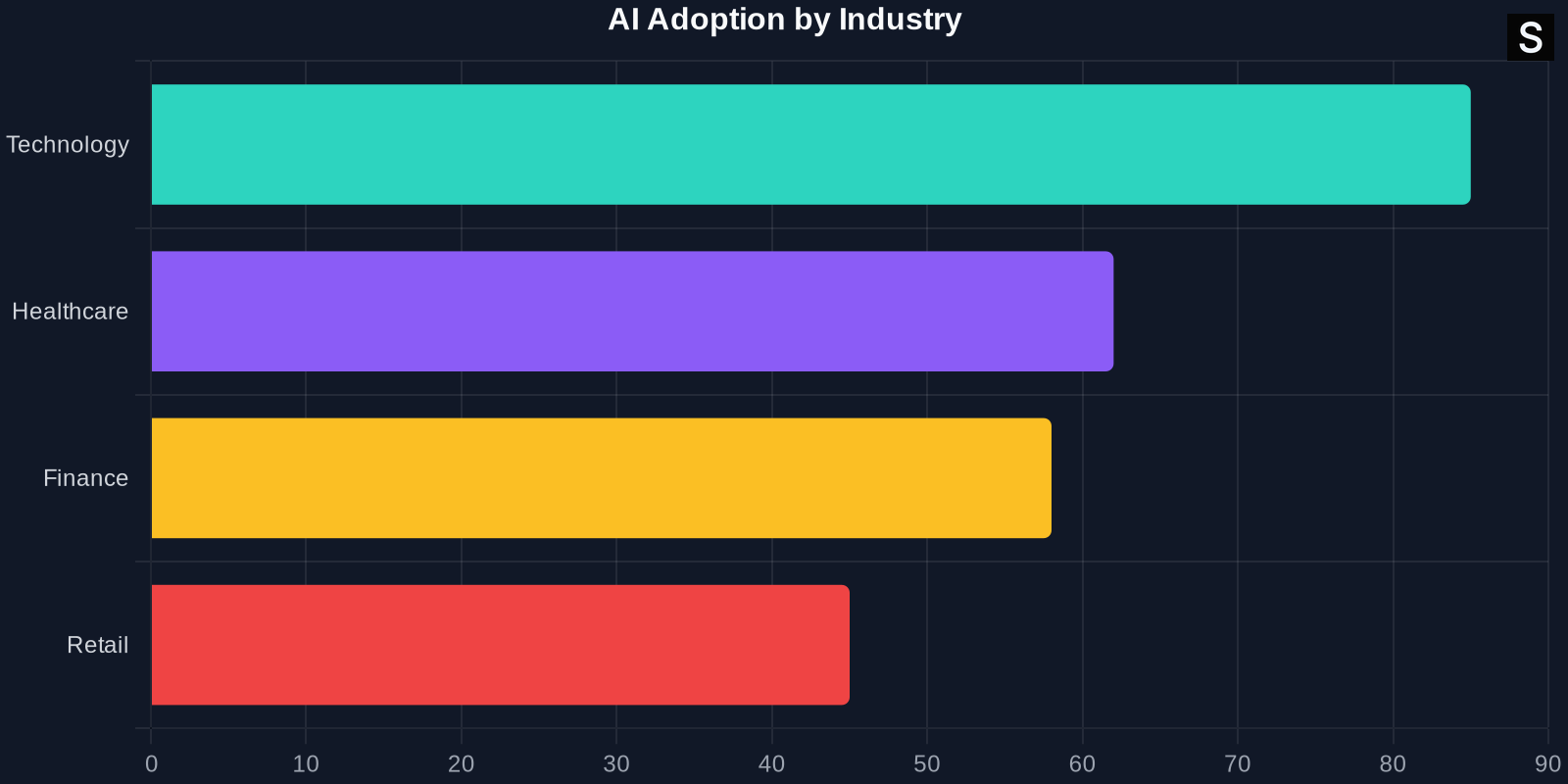
In the healthcare sector, AI voice agents are used to handle patient inquiries, schedule appointments, and provide medical information. This not only improves efficiency but also enhances patient satisfaction.
Finance
Financial institutions use AI voice agents for customer service, fraud detection, and financial advice. These agents help streamline operations and provide timely assistance to customers.
Key Takeaways
Conclusion
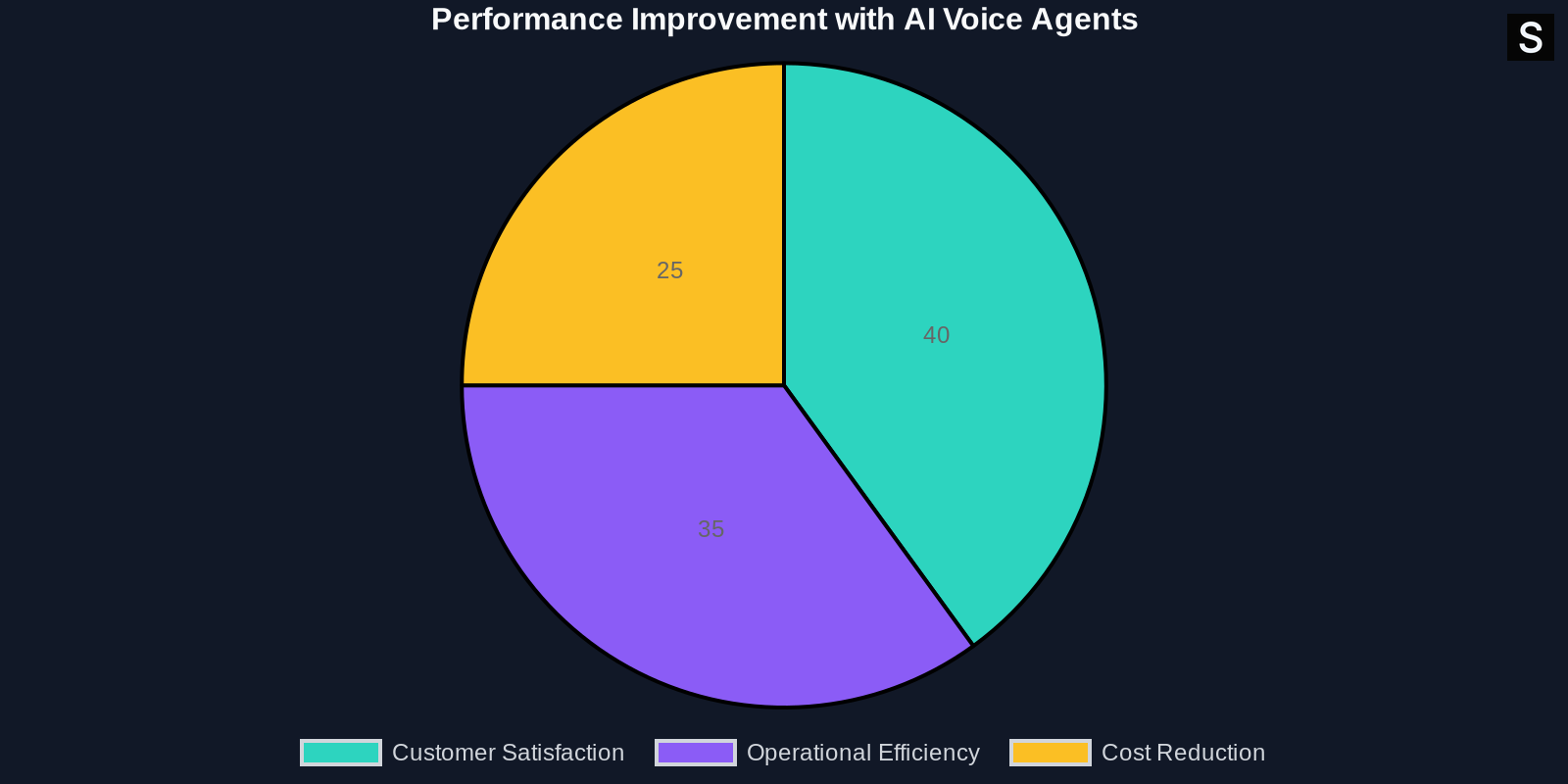
Designing a real-time AI voice agent involves a comprehensive approach that includes system design, compliance considerations, and performance optimization. By leveraging advanced technologies such as RAG and SIP integration, businesses can create efficient and compliant AI voice agents that enhance customer interactions and streamline operations.
For further reading, check out these authoritative sources: