How Proactive Customer Service Turns CX into Revenue Growth

How Proactive Customer Service Turns CX into Revenue Growth
In today's competitive business landscape, customer experience (CX) has emerged as a key differentiator. Companies that excel in CX are seeing significant revenue growth. For instance, CX improvements have translated into a staggering $9.7 billion in revenue, marking a 2.4% year-on-year increase. This article explores how proactive customer service can turn CX into a powerful engine for revenue growth.
The Power of Proactive Customer Service
Proactive customer service is not just about resolving issues; it's about anticipating customer needs and addressing them before they become problems. This approach can significantly enhance customer satisfaction and loyalty, leading to increased revenue.
Benefits of Proactive Customer Service
- Enhanced Customer Satisfaction: By addressing issues before they escalate, companies can significantly improve customer satisfaction.
- Increased Loyalty: Proactive service shows customers that the company cares about their experience, fostering loyalty.
- Revenue Growth: Satisfied and loyal customers are more likely to make repeat purchases and recommend the company to others.
Strategies for Implementing Proactive Customer Service
1. Leverage Customer Data
Utilize customer data to anticipate needs and personalize interactions. This can include purchase history, browsing behavior, and past interactions with customer service.
2. Implement AI and Automation
AI and automation can help identify potential issues and address them proactively. For example, AI can analyze customer behavior to predict when a customer might need assistance and offer help before the customer even realizes they need it.
3. Train Customer Service Teams
Equip customer service teams with the skills and tools they need to provide proactive service. This includes training on how to use customer data, AI tools, and effective communication techniques.
Case Studies: Success Stories in Proactive Customer Service
Case Study 1: Technology Sector
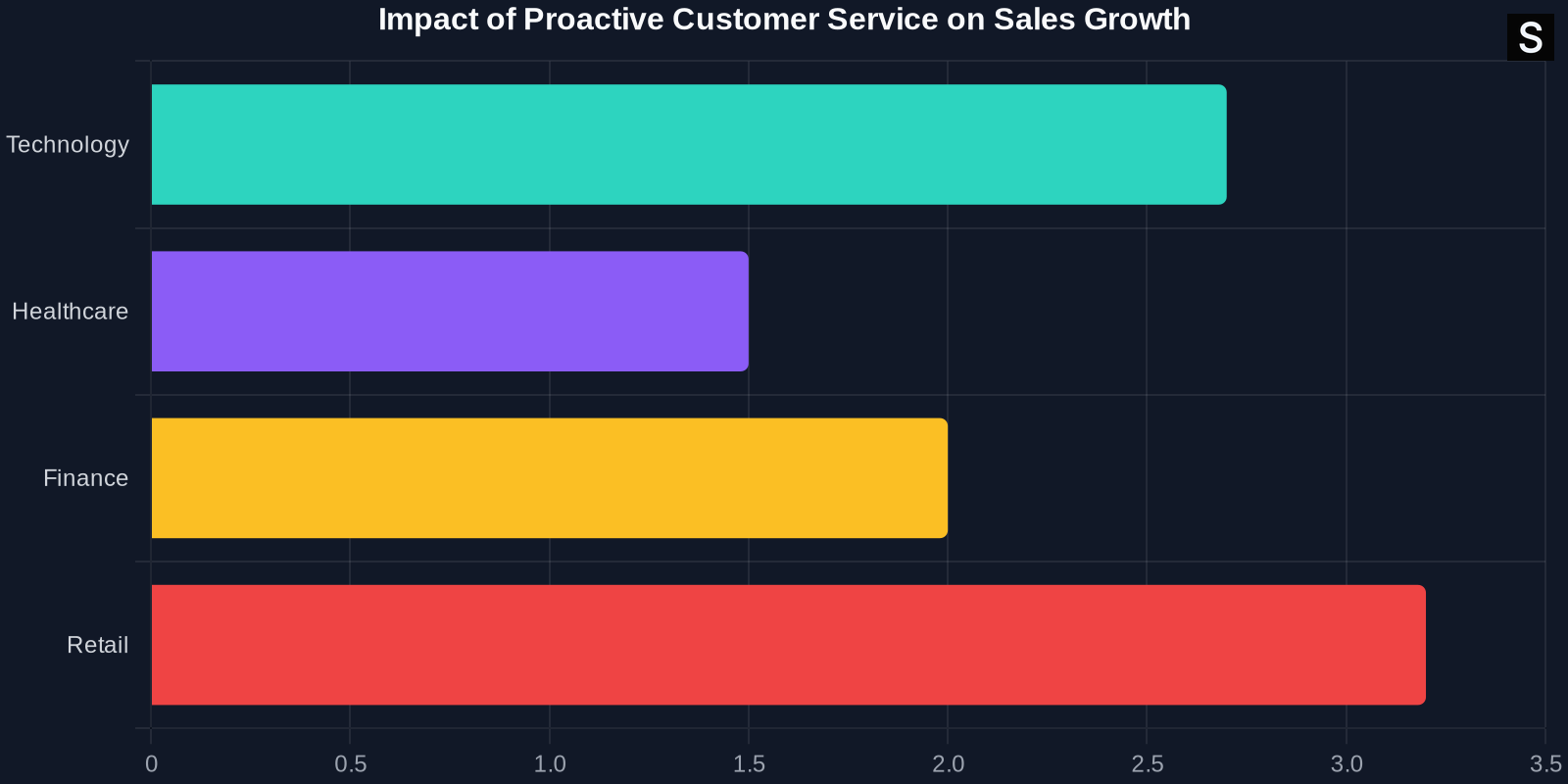
A leading technology company implemented a proactive customer service strategy that leveraged AI to predict and address customer issues. As a result, they saw a 2.7% year-on-year sales growth and a 17% year-on-year reduction in customer complaints.
Case Study 2: Retail Sector
A major retailer used customer data to personalize interactions and anticipate needs. This proactive approach led to a 5% improvement in customer retention, boosting profits by 25-95%.
Customer support isn't just about resolving issues; it's about creating experiences, building trust, and turning problems into opportunities for connection.
Measuring the Impact of Proactive Customer Service
Key Metrics to Track
- Customer Satisfaction Scores (CSAT): Measure how satisfied customers are with their interactions.
- Net Promoter Score (NPS): Gauge customer loyalty and likelihood to recommend the company.
- Customer Retention Rates: Track how many customers continue to do business with the company over time.
- Revenue Growth: Monitor increases in revenue attributed to improved customer experience.
| Metric | Before Proactive Service | After Proactive Service |
|---|---|---|
| Customer Satisfaction | 75% | 90% |
| Net Promoter Score | 30 | 50 |
| Customer Retention | 60% | 85% |
| Revenue Growth | 2% | 5% |
Overcoming Challenges in Proactive Customer Service
Common Challenges
- Data Privacy Concerns: Ensure that customer data is used responsibly and in compliance with privacy regulations.
- Integration with Existing Systems: Seamlessly integrate new proactive service tools with existing customer service systems.
- Training and Adoption: Provide adequate training and support to ensure that customer service teams can effectively use new tools and strategies.
Solutions and Best Practices
- Transparent Data Usage: Be transparent with customers about how their data is being used and the benefits they will receive.
- Comprehensive Training Programs: Develop training programs that cover both the technical and soft skills needed for proactive service.
- Continuous Improvement: Regularly review and update proactive service strategies based on customer feedback and performance metrics.
The Future of Proactive Customer Service
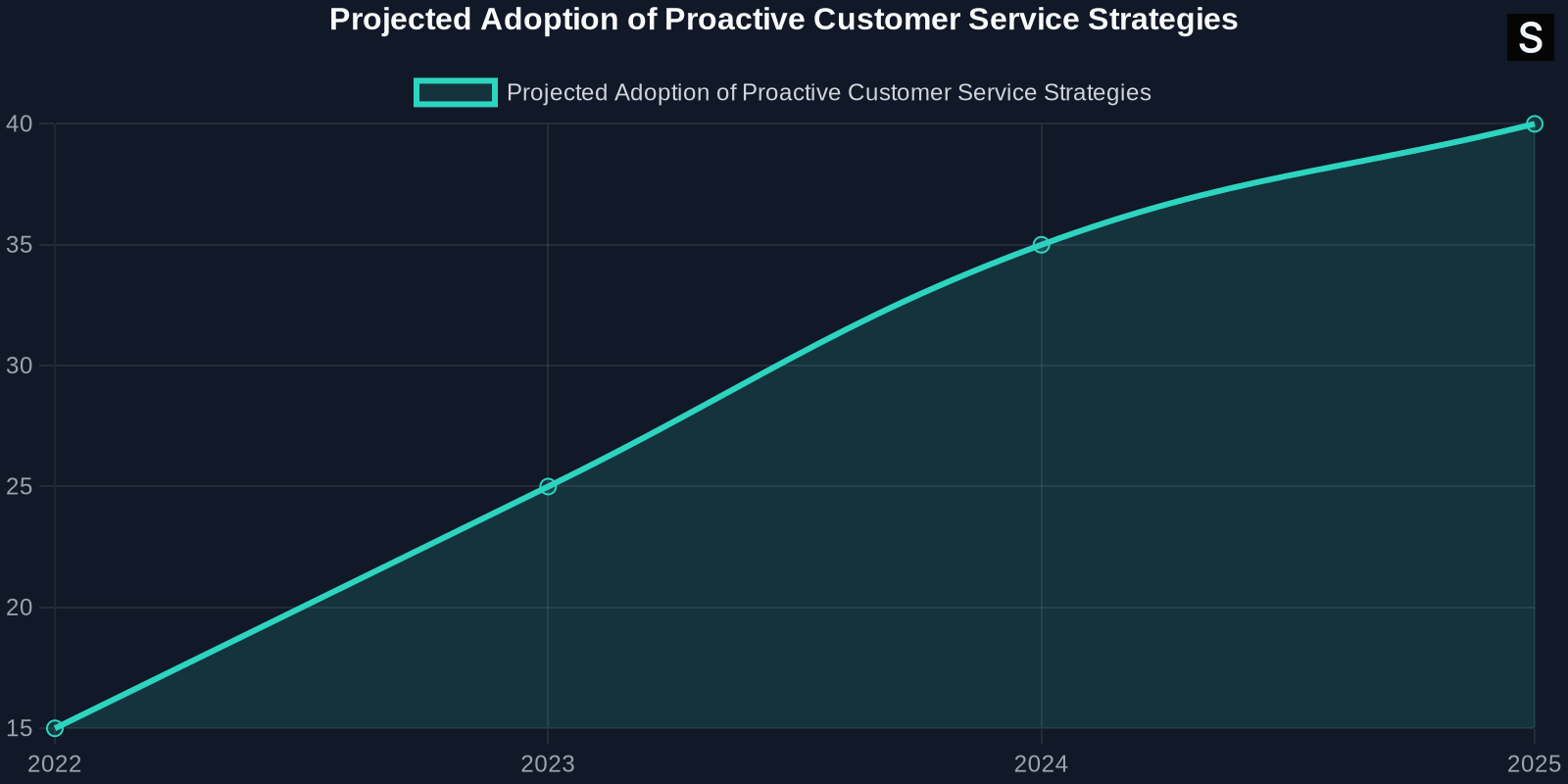
The future of proactive customer service looks promising, with advancements in AI and data analytics paving the way for even more personalized and anticipatory service. According to Gartner research, 40% of customer service organizations will adopt proactive service strategies by 2025, moving beyond reactive handling to more predictive and preventive approaches.
Emerging Trends
- AI and Machine Learning: These technologies will continue to evolve, providing even more accurate predictions and personalized interactions.
- Omnichannel Service: Customers expect seamless service across all channels, from email and chat to social media and in-person interactions.
- Emotionally Intelligent AI: AI that can understand and respond to customer emotions will play a crucial role in enhancing customer experience.
Key Takeaways
- Proactive customer service can significantly enhance customer satisfaction and loyalty.
- Leveraging customer data and AI can help anticipate and address customer needs proactively.
- Training and equipping customer service teams are crucial for successful implementation.
- Measuring the impact through key metrics like CSAT, NPS, and revenue growth is essential.
Conclusion
Proactive customer service is a powerful strategy for turning customer experience into revenue growth. By anticipating customer needs, leveraging data and AI, and equipping customer service teams with the right tools and training, companies can significantly enhance customer satisfaction, loyalty, and ultimately, revenue.
Now is the time to invest in proactive customer service strategies and transform your customer experience into a competitive advantage. Start by assessing your current customer service approach, identifying areas for improvement, and developing a roadmap for implementing proactive service strategies.
For more insights and strategies on enhancing customer experience, explore our other articles and resources on CX Today.