How Uber's Query GPT Revolutionizes Data Access and Decision-Making

In the fast-paced world of ride-sharing and logistics, data is the fuel that powers every decision. Uber, a company known for its data-driven culture, processes petabytes of information daily. But for years, accessing that data required technical expertise — knowledge of SQL, understanding of complex database schemas, and hours of waiting for queries to run. That changed with the introduction of Query GPT, an internal AI tool that lets employees ask questions in plain English and get instant, accurate answers. This blog post explores how Query GPT is reshaping data access at Uber and offers key insights for any organization looking to democratize data.
The ability to query data using conversational language is not just a convenience — it's a strategic advantage. In this post, we'll break down the technology behind Query GPT, its impact on Uber's operations, and the broader implications for enterprise AI.
The Challenge of Data Silos and Accessibility
For any large organization, data is often locked in silos — scattered across different databases, tables, and systems. At Uber, engineers, product managers, and business analysts each had to navigate these silos using complex query languages. The friction was immense:
- Time-consuming training: New hires needed months to learn Uber's data infrastructure.
- Bottlenecks: Data experts were overwhelmed with requests, creating delays.
- Error-prone manual work: SQL queries often contained mistakes, leading to incorrect reports.
The underlying architecture leverages Uber's massive data lake and real-time streaming infrastructure. Because the model is trained on internal documentation and query logs, it understands Uber-specific jargon — "ETAs," "surge multipliers," "driver churn" — without additional training.
The Role of Fine-Tuning and Safety
To ensure accuracy and prevent hallucinations, Query GPT undergoes rigorous fine-tuning. Over a million example queries were used to teach the model when to ask clarifying questions, when to flag anomalies, and when to refuse a request that might violate data privacy policies.
Measuring Adoption and Satisfaction
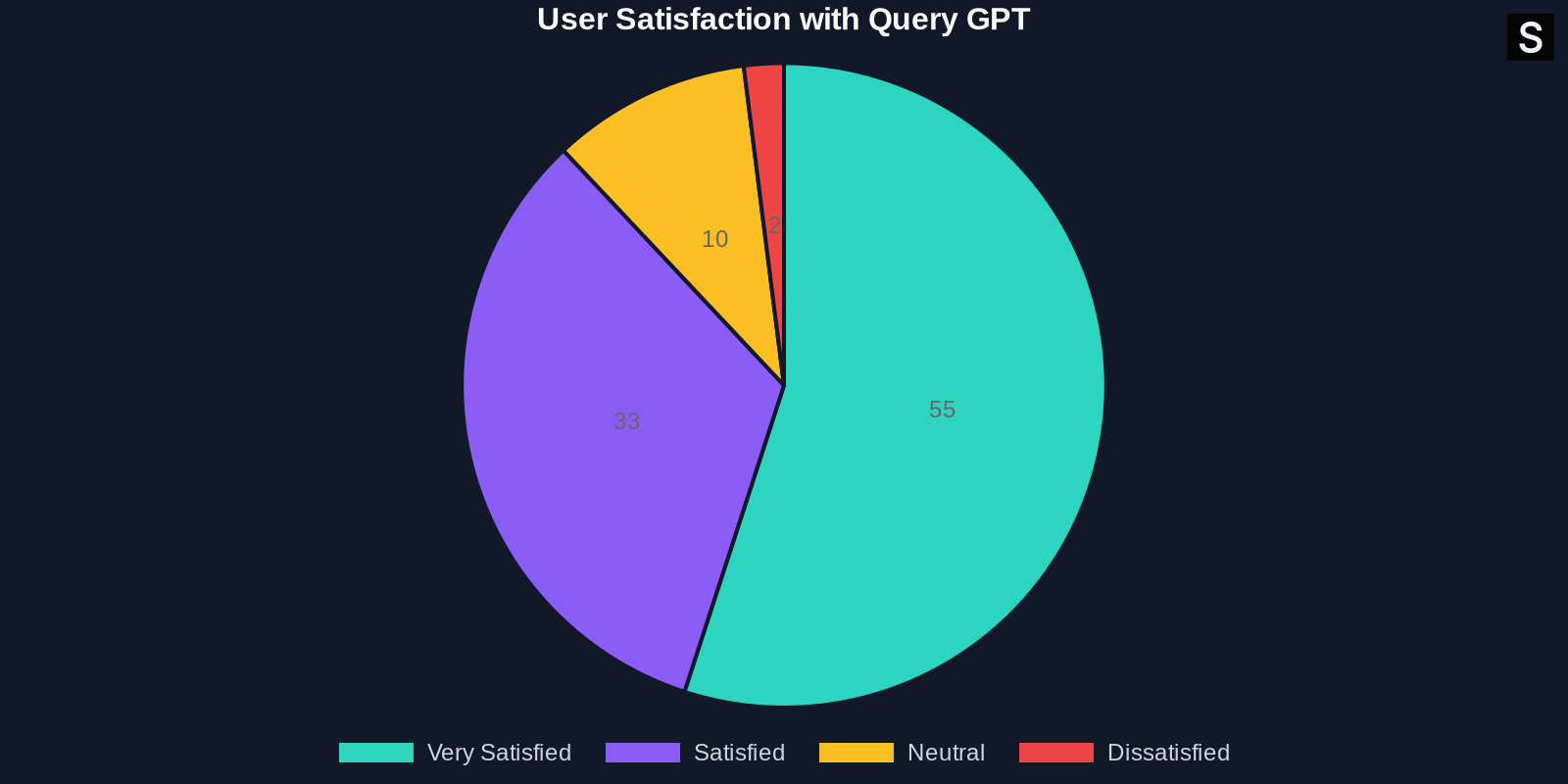
Early user feedback has been overwhelmingly positive. In a company-wide survey:
- 88% of users said Query GPT made them more productive.
- 94% found the results accurate or very accurate.
- 76% reported using the tool at least once a day.
Lessons for Enterprises Adopting AI Data Tools
Uber's experience offers several takeaways for other companies considering similar solutions:
- Invest in fine-tuning: Off-the-shelf LLMs are powerful, but domain-specific training is critical for accuracy and trust.
- Prioritize governance: Ensure the AI respects data access controls and privacy rules. Uber built guardrails to prevent exposure of sensitive data.
- Focus on user experience: The interface should be intuitive and provide feedback. Query GPT includes a confidence score and an option to view the generated SQL for transparency.
- Iterate based on feedback: Uber rolled out Query GPT in phases, collecting feedback from power users before expanding to the whole company.
The Future of AI-Powered Data Queries
Query GPT is just the beginning. Uber is already exploring enhancements:

- Multi-modal queries: Ask questions that combine text, images (e.g., dashboard screenshots), and voice.
- Predictive analytics: Instead of "what happened?", ask "what will happen if we change pricing?"
- Cross-system joining: Query not just the data warehouse but also real-time streams and external APIs.
As natural language interfaces become more sophisticated, the gap between data and decision-making will continue to shrink. Companies that invest in these tools today will have a significant competitive advantage tomorrow.
Conclusion
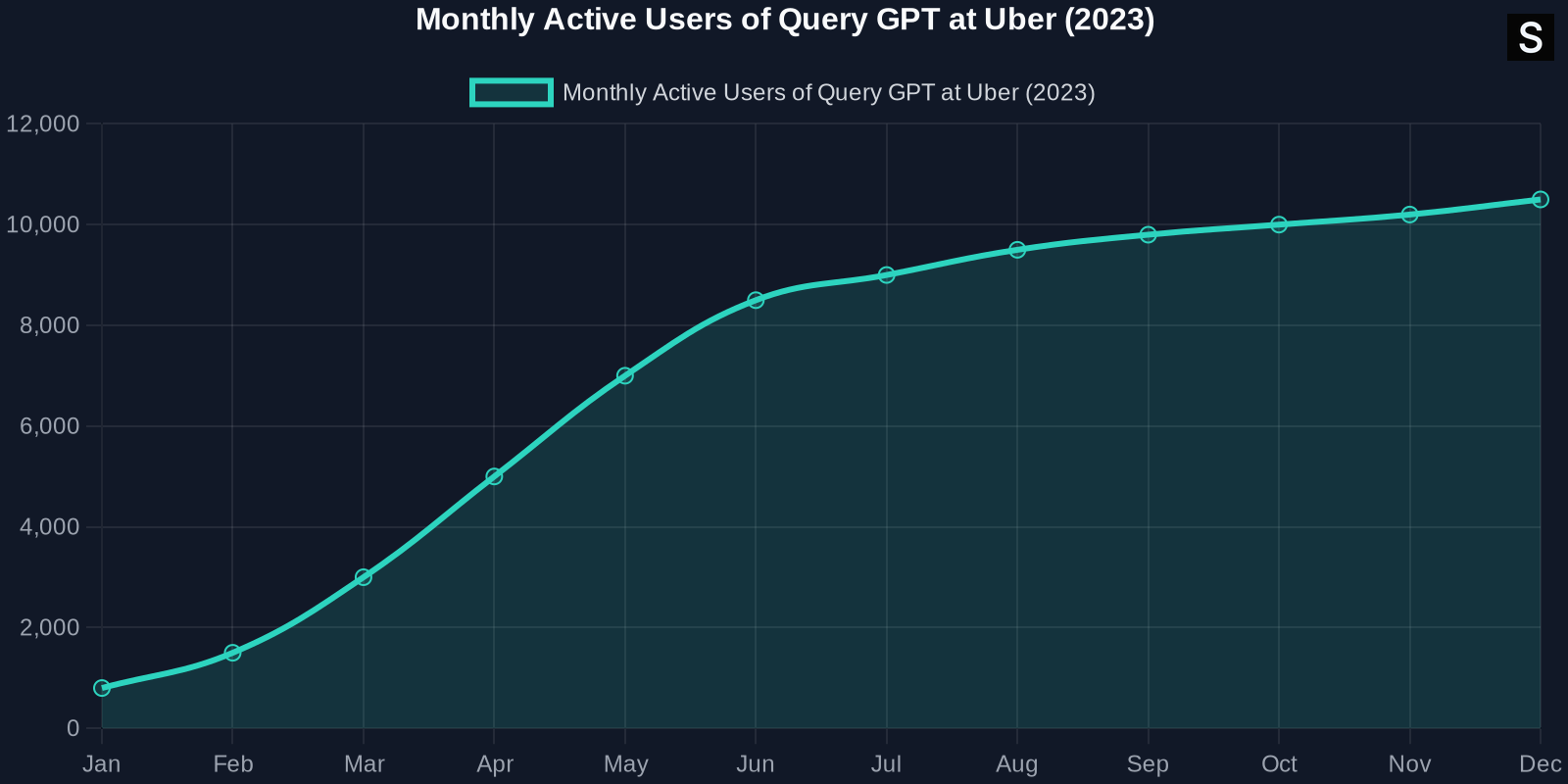
Uber's Query GPT exemplifies how AI can transform data access from a technical bottleneck into a strategic enabler. By removing barriers, reducing time, and improving accuracy, it has empowered thousands of employees to leverage data in their daily work. The lessons from Uber's implementation are clear: with the right technology, governance, and user focus, any organization can democratize data and fuel smarter, faster decisions.
Ready to explore how AI can unlock your data's potential? Start by auditing your current data access challenges and consider piloting a natural language query tool in one business unit. The future of data-driven decision-making is conversational — and it's already here.