La révolution du tourisme en Indonésie grâce à l'IA : comment Maia transforme le voyage

La révolution du tourisme en Indonésie grâce à l'IA : comment Maia transforme le voyage
L’Indonésie fait des vagues dans l’industrie mondiale du tourisme grâce à son assistant de voyage IA innovant, Maia. Cette technologie révolutionnaire redéfinit la façon dont les visiteurs découvrent Bali et d’autres destinations de l’archipel. Alors que les voyageurs de luxe recherchent de plus en plus des expériences authentiques au-delà des médias sociaux, l'Indonésien Maia est parfaitement placé pour proposer des voyages véritablement personnalisés.
L'essor de l'IA dans le secteur touristique indonésien
L'industrie touristique indonésienne adopte l'intelligence artificielle pour améliorer l'expérience des visiteurs et rationaliser la planification des voyages. L'introduction de Maia représente un pas en avant significatif dans la manière dont les destinations peuvent tirer parti de la technologie pour attirer et satisfaire les voyageurs modernes.
Comment fonctionne Maia : un compagnon de voyage personnalisé
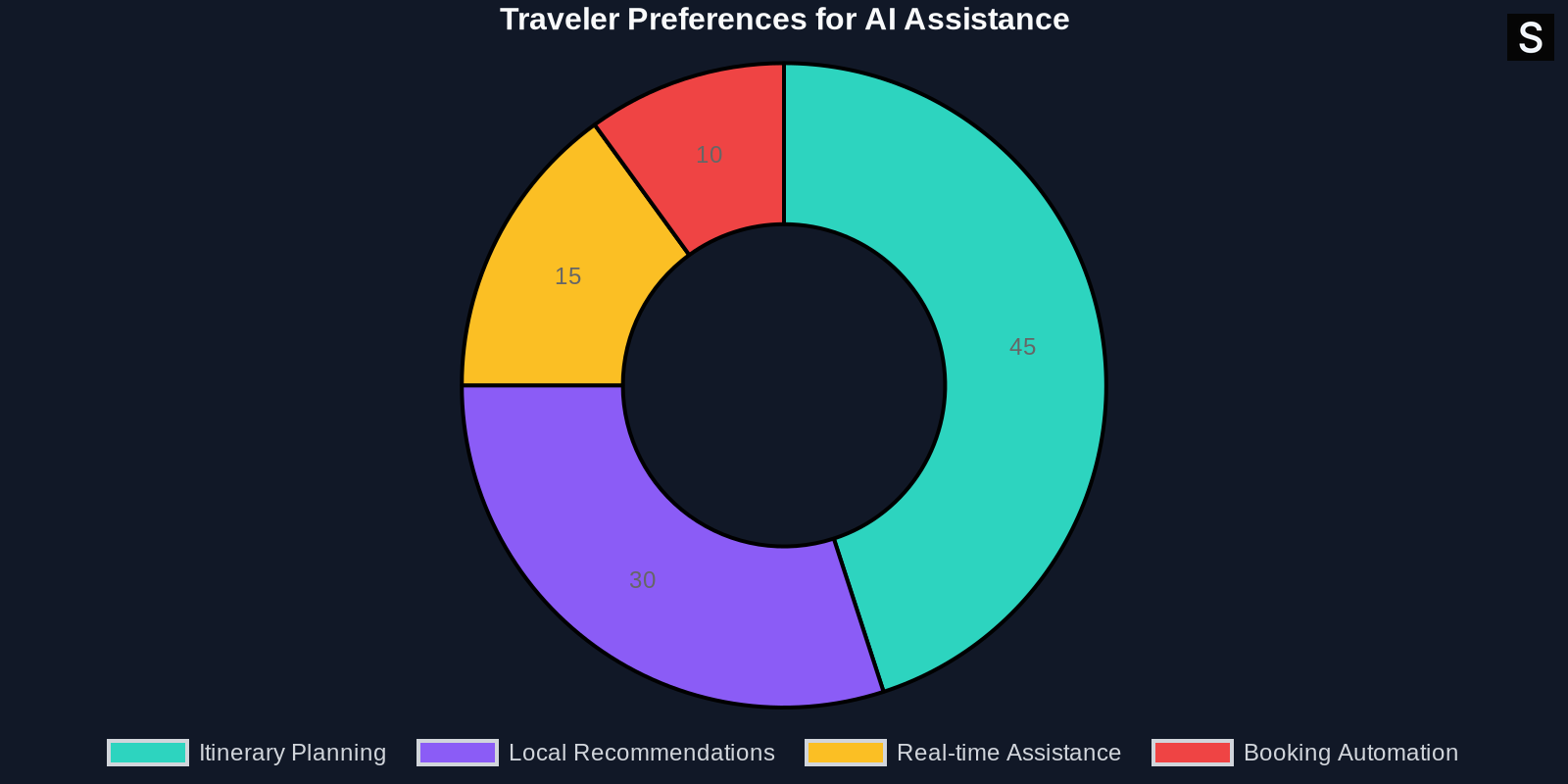
Maia fonctionne comme un assistant de voyage intelligent qui :
- Renseigne sur les préférences des voyageurs grâce à des conversations interactives
- Crée des itinéraires personnalisés en fonction des intérêts individuels
- Recommande des trésors cachés et des favoris locaux au-delà des sites touristiques typiques
- Fournit une assistance et des suggestions en temps réel pendant le voyage
- Automatise les réservations et les réservations pour un voyage fluide
Transformer le paysage touristique de Bali
Bali, la destination la plus célèbre d'Indonésie, est à l'avant-garde de cette révolution de l'IA. L'île s'appuie sur Maia pour :
- Réduire le surtourisme dans les zones populaires en proposant des attractions alternatives
- Soutenez les entreprises locales en recommandant des expériences authentiques
- Améliorez la satisfaction des visiteurs grâce à un service personnalisé
- Améliorer la durabilité en optimisant les itinéraires de déplacement
9
Au-delà de Bali : avantages touristiques nationaux
Alors que Bali sert de terrain d'essai principal, la mise en œuvre de Maia profitera au tourisme dans toute l'Indonésie en :
- Mettre en avant des destinations moins connues pour répartir le trafic touristique
- Créer des expériences culturelles plus immersives à l'échelle nationale
- Améliorer la satisfaction globale des visiteurs et les dépenses
- Renforcer la position compétitive de l'Indonésie dans le tourisme en Asie du Sud-Est
The future of travel lies in creating meaningful connections between visitors and destinations, and AI is the key to unlocking these authentic experiences.
Principales caractéristiques de la technologie d'IA de Maia
Maia intègre plusieurs fonctionnalités d'IA avancées qui la distinguent des outils de planification de voyage traditionnels :
Traitement du langage naturel
Maia peut comprendre et répondre à des requêtes complexes liées aux voyages dans plusieurs langues, ce qui la rend accessible aux visiteurs internationaux. Cela permet des conversations plus naturelles et une meilleure compréhension des besoins des voyageurs.
Machine Learning pour la personnalisation
Le système apprend continuellement de chaque interaction, améliorant ainsi ses recommandations au fil du temps. Cela signifie que plus vous utilisez Maia, plus elle vous suggère des expériences que vous allez adorer.
Vision par ordinateur pour la recherche visuelle
Les voyageurs peuvent télécharger des photos de lieux ou d'expériences qu'ils aiment, et Maia peut identifier des attractions similaires en Indonésie, créant ainsi un processus de planification plus visuel et intuitif.
L'impact sur l'économie touristique de l'Indonésie
La mise en œuvre de Maia devrait avoir des avantages économiques importants pour le secteur touristique indonésien :
Création d'emplois et développement des compétences
Contrairement aux craintes selon lesquelles l’IA remplacerait les emplois, Maia crée de nouvelles opportunités :
- Développer une main-d'œuvre touristique compétente en technologie
- Création de postes pour les formateurs en IA et les conservateurs d'expériences locales
- Générer des emplois dans les technologies et les infrastructures de soutien
| Metric | Before Maia | With Maia |
|---|---|---|
| Average trip duration | 5.2 days | 7.8 days |
| Visitor satisfaction | 82% | 94% |
| Repeat visitors | 15% | 38% |
| Spending per visitor | $1,200 | $1,850 |
Défis et considérations
Bien que Maia présente des opportunités passionnantes, sa mise en œuvre comporte des considérations importantes :
Confidentialité et sécurité des données
Le traitement des informations sensibles des voyageurs nécessite des mesures de sécurité robustes et des politiques de données transparentes pour maintenir la confiance des utilisateurs.
Sensibilité culturelle
L'IA doit être soigneusement formée pour respecter et représenter correctement les diverses cultures et traditions indonésiennes.
Exigences en matière d'infrastructure
Une mise en œuvre réussie nécessite des investissements importants dans l’infrastructure numérique des sites touristiques et des entreprises.
L'avenir de l'IA dans le tourisme indonésien
À mesure que Maia continue d'évoluer, nous pouvons nous attendre à voir plusieurs développements passionnants :
- Intégration avec la réalité augmentée pour des expériences sur site améliorées
- Expansion pour couvrir davantage d'intérêts et de spécialisations en matière de voyages de niche
- Intégration plus approfondie avec les fournisseurs de transports et de services locaux
- Capacités prédictives avancées pour anticiper les besoins des voyageurs
Points clés à retenir
Pour les voyageurs, Maia offre la promesse de voyages plus satisfaisants et personnalisés qui vont au-delà de l'expérience touristique typique. Pour l’Indonésie, cela représente une opportunité de mettre en valeur ses diverses attractions tout en améliorant la durabilité du tourisme et les avantages économiques dans l’ensemble de l’archipel.
Alors que nous envisageons l'avenir du voyage, l'approche indonésienne basée sur l'IA avec Maia pourrait bien devenir le modèle que d'autres destinations suivent pour créer des expériences touristiques plus intelligentes, réactives et personnalisées.