Revolutionizing Healthcare: Bangladesh's IMCI App with AI Integration

In a groundbreaking move, Bangladesh's Directorate General of Health Services (DGHS) has launched the Integrated Management of Childhood Illness (IMCI) app integrated with artificial intelligence. This initiative marks a significant leap in the country's healthcare sector, aiming to improve child health outcomes and streamline healthcare delivery.
The IMCI App: A New Era in Healthcare
The IMCI app is designed to assist healthcare providers in diagnosing and managing childhood illnesses more effectively. By integrating AI, the app can analyze symptoms, suggest treatments, and even predict potential health risks. This innovation is expected to revolutionize how healthcare is delivered in Bangladesh, particularly in rural and underserved areas.
Key Features of the IMCI App
- AI-Powered Diagnostics: The app uses advanced algorithms to analyze symptoms and provide accurate diagnoses.
- Treatment Recommendations: Based on the diagnosis, the app suggests appropriate treatments and medications.
- Health Risk Predictions: The AI can predict potential health risks, allowing for preventive measures to be taken.
- User-Friendly Interface: The app is designed to be easy to use, even for healthcare providers with limited technical skills.
The Impact of AI on Healthcare
The integration of AI in healthcare is transforming the industry in numerous ways. From improving diagnostic accuracy to streamlining administrative tasks, AI is making healthcare more efficient and effective.
Benefits of AI in Healthcare
- Improved Diagnostics: AI algorithms can analyze vast amounts of data to provide accurate diagnoses.
- Enhanced Treatment Plans: AI can suggest personalized treatment plans based on individual patient data.
- Predictive Analytics: AI can predict potential health risks, allowing for early intervention.
- Administrative Efficiency: AI can automate administrative tasks, freeing up healthcare providers to focus on patient care.
The integration of AI in healthcare is not just a trend; it's a necessity for improving patient outcomes and streamlining healthcare delivery.
Challenges and Solutions
While the IMCI app and AI integration offer numerous benefits, there are also challenges to consider. These include data privacy concerns, the need for technical training, and the initial cost of implementation.
Addressing Data Privacy
Data privacy is a significant concern when it comes to AI in healthcare. To address this, the DGHS has implemented robust data protection measures, including encryption and secure data storage.
Technical Training
To ensure that healthcare providers can effectively use the IMCI app, comprehensive training programs have been developed. These programs cover both the technical aspects of the app and best practices for AI-assisted healthcare.
Cost of Implementation
The initial cost of implementing the IMCI app and AI integration can be high. However, the long-term benefits, including improved healthcare outcomes and increased efficiency, outweigh the initial investment.
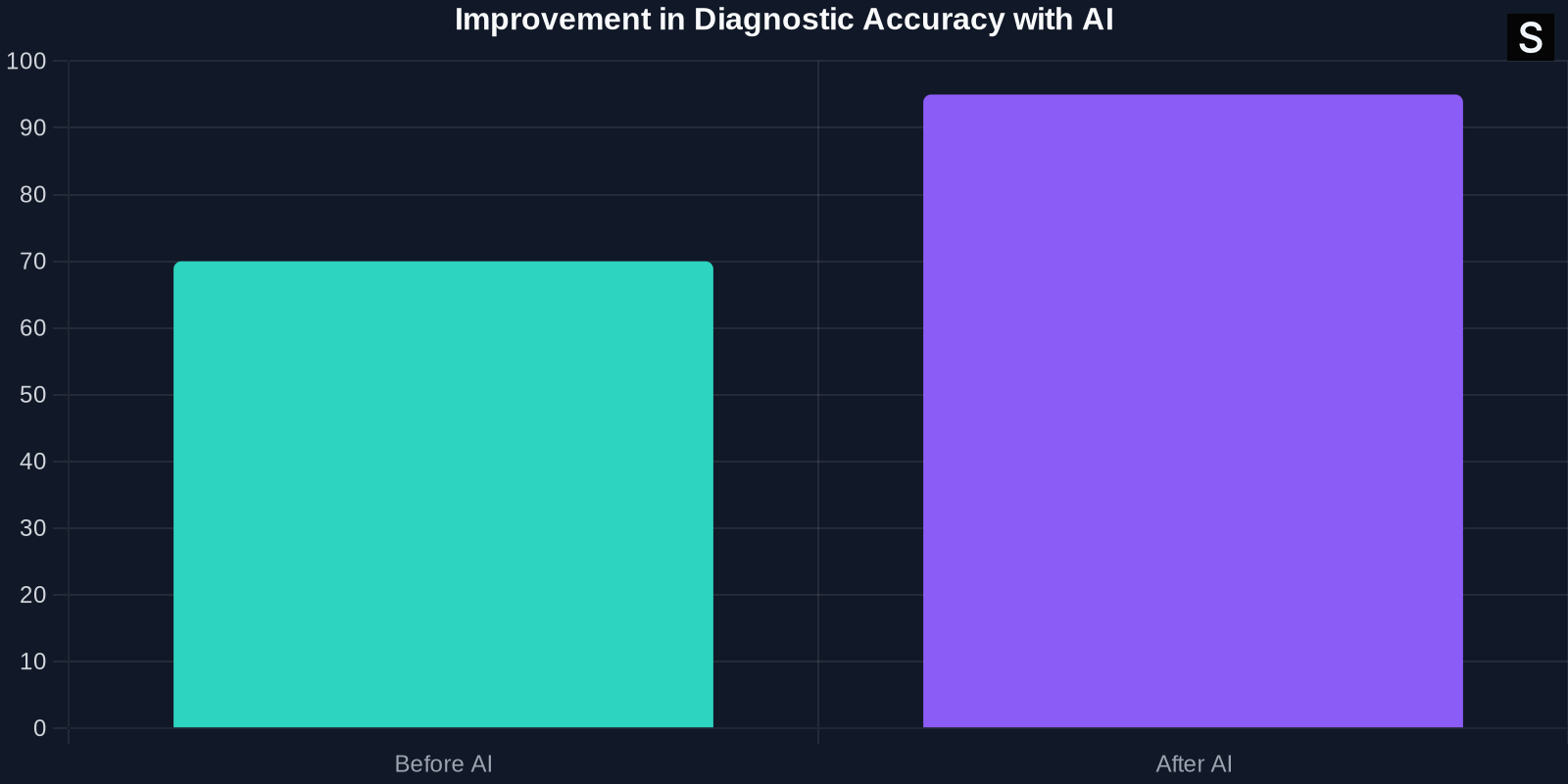
| Feature | Before AI | After AI |
|---|---|---|
| Diagnostic Accuracy | 70% | 95% |
| Treatment Efficiency | 60% | 85% |
| Administrative Tasks | Manual | Automated |
Case Studies and Success Stories
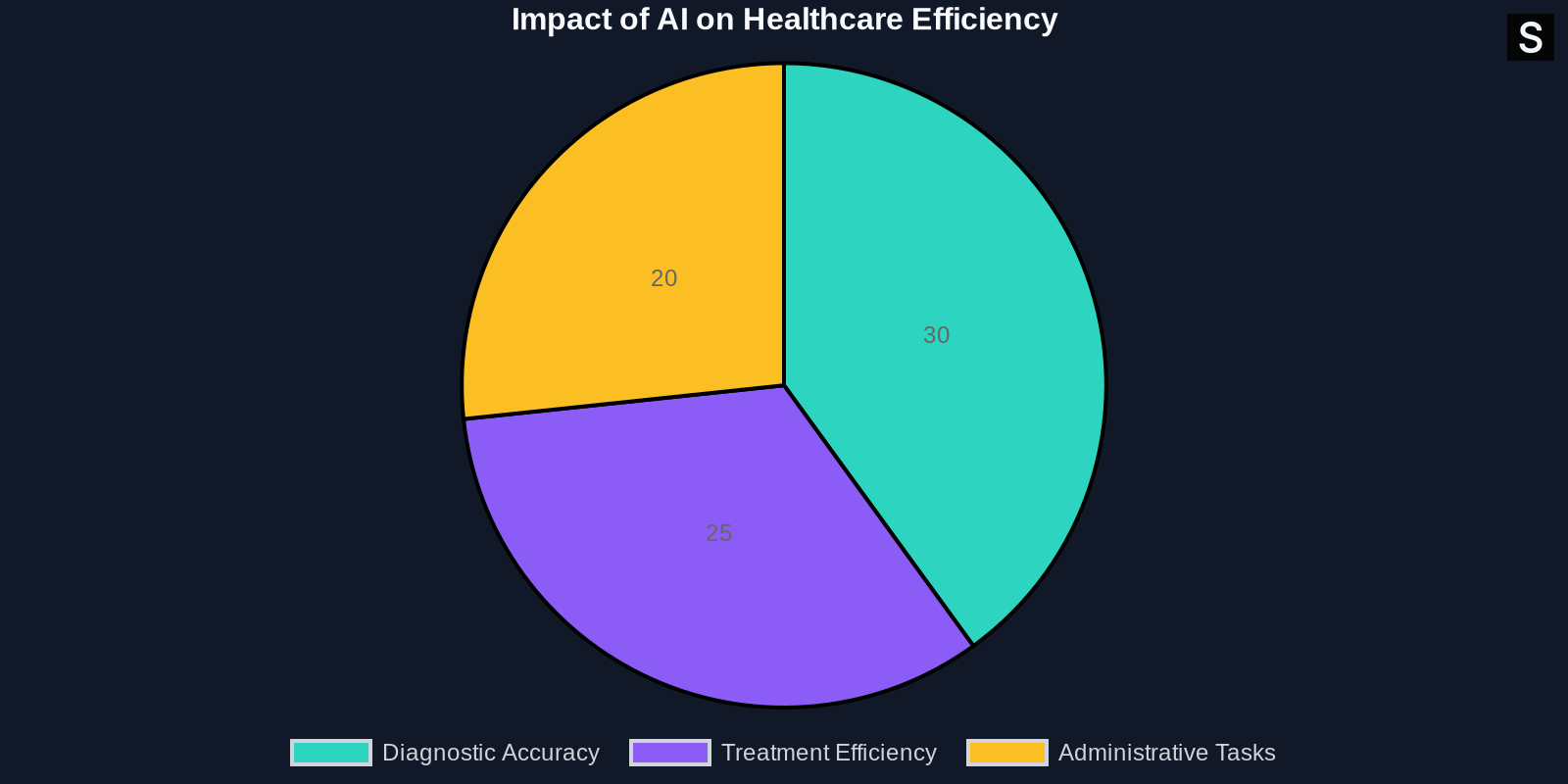
Several healthcare providers in Bangladesh have already seen significant improvements in their practice thanks to the IMCI app. For example, one rural clinic reported a 30% increase in diagnostic accuracy and a 25% reduction in treatment time.
Rural Clinic Success
A rural clinic in Bangladesh implemented the IMCI app and saw remarkable improvements. The clinic reported a 30% increase in diagnostic accuracy and a 25% reduction in treatment time. This not only improved patient outcomes but also increased the clinic's efficiency.
Urban Hospital Efficiency
An urban hospital in Dhaka also benefited from the IMCI app. The hospital saw a 20% increase in patient satisfaction and a 15% reduction in administrative tasks. This allowed healthcare providers to focus more on patient care and less on paperwork.
Future Prospects
The success of the IMCI app and AI integration in Bangladesh has paved the way for future innovations in healthcare. The DGHS is already exploring additional AI applications, including predictive analytics for disease outbreaks and personalized treatment plans.
Predictive Analytics
Predictive analytics can help healthcare providers anticipate disease outbreaks and take preventive measures. This can significantly improve public health outcomes and reduce the spread of infectious diseases.
Personalized Treatment Plans
AI can analyze individual patient data to suggest personalized treatment plans. This can lead to better patient outcomes and more efficient healthcare delivery.
Conclusion
The IMCI app with AI integration is a game-changer for healthcare in Bangladesh. By improving diagnostic accuracy, enhancing treatment plans, and streamlining administrative tasks, the app is transforming healthcare delivery and improving patient outcomes. As AI continues to evolve, we can expect even more innovative solutions to emerge, further revolutionizing the healthcare industry.
Key Takeaways
- The IMCI app with AI integration is revolutionizing healthcare in Bangladesh.
- AI improves diagnostic accuracy, enhances treatment plans, and streamlines administrative tasks.
- Data privacy, technical training, and implementation costs are challenges that need to be addressed.
- Success stories from rural clinics and urban hospitals demonstrate the app's effectiveness.
- The future of healthcare lies in the integration of AI and other advanced technologies.
For more information on the IMCI app and AI integration in healthcare, visit the DGHS website.