The Growing Importance of Real-Time Data in Product Testing

The Growing Importance of Real-Time Data in Product Testing
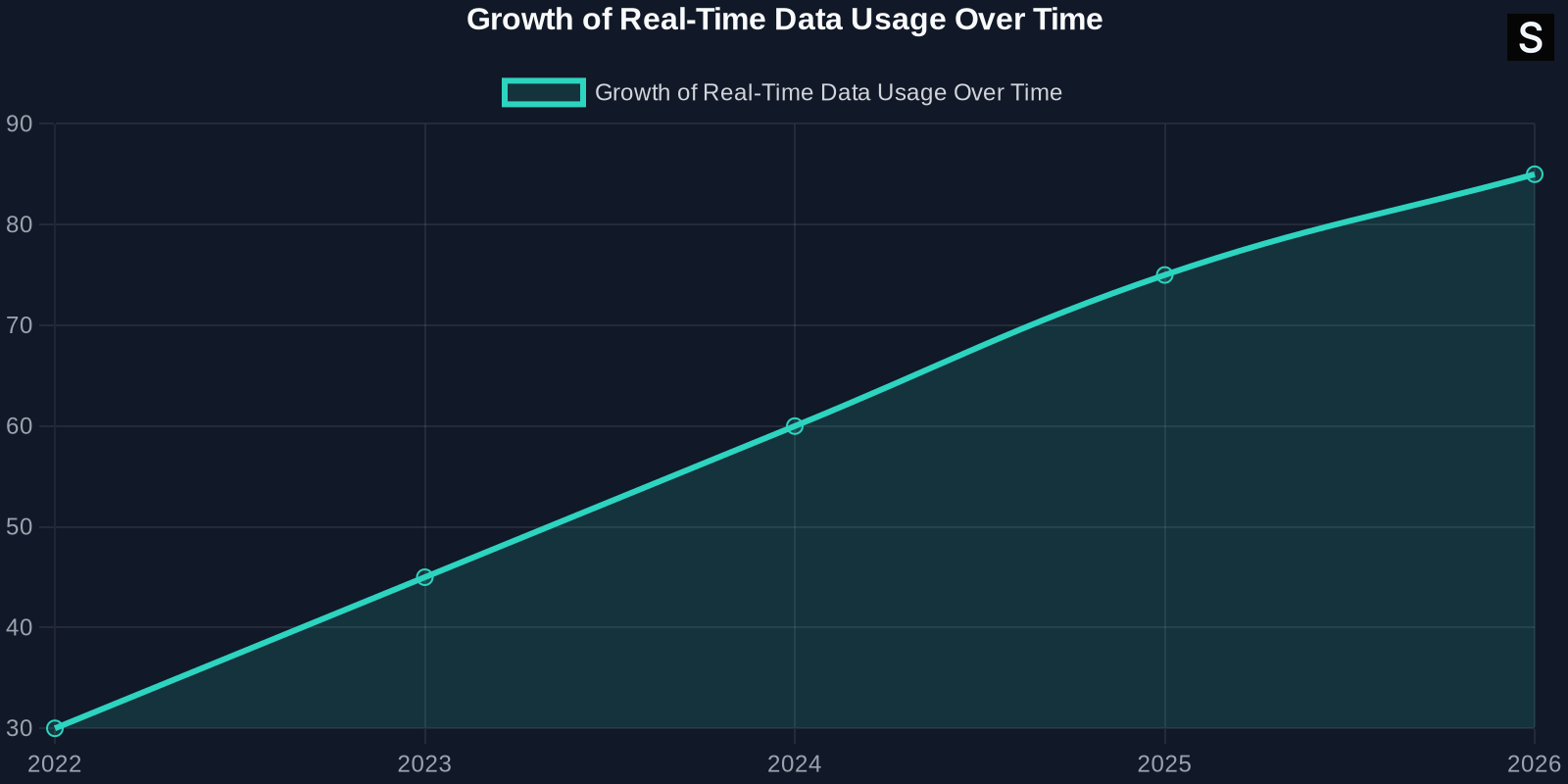
In today's fast-paced market, the ability to gather and analyze real-time data has become a game-changer for product testing. According to recent research, a staggering number of companies are leveraging this technology to stay ahead of the curve.
Understanding Real-Time Data
Real-time data refers to information that is delivered immediately after collection. There is no delay in the timeliness of the information provided. This immediacy allows businesses to make quicker decisions, respond to issues promptly, and optimize their processes efficiently.
Benefits of Real-Time Data in Product Testing
- Enhanced Decision Making: With real-time data, companies can make informed decisions swiftly, reducing the time between testing and implementation.
- Improved Accuracy: Immediate data collection minimizes the risk of errors and discrepancies that can occur over time.
- Increased Efficiency: Real-time data streams enable continuous monitoring and immediate adjustments, leading to more efficient testing processes.
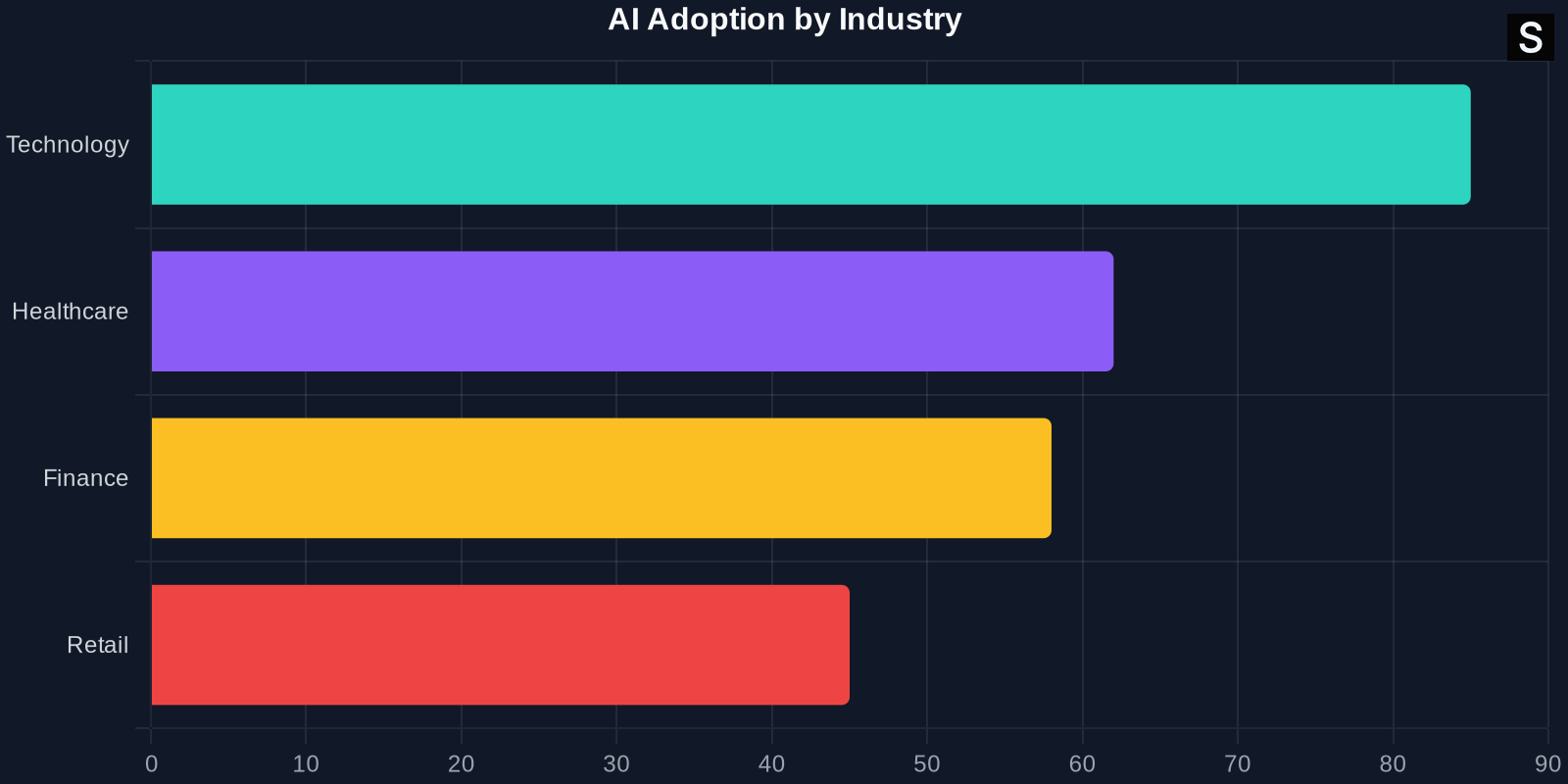
Real-Time Data in Various Industries
Technology
The technology sector has been at the forefront of adopting real-time data analytics. Companies are using real-time data to monitor software performance, track user interactions, and identify bugs instantly.
Healthcare
In healthcare, real-time data is crucial for patient monitoring, clinical trials, and drug development. The ability to access and analyze data in real-time can significantly improve patient outcomes and streamline clinical development processes.
Finance
Financial institutions leverage real-time data for fraud detection, risk management, and customer service enhancements. The immediacy of data allows for quicker responses to market changes and customer needs.
Retail
Retailers use real-time data to manage inventory, personalize customer experiences, and optimize supply chains. This leads to improved customer satisfaction and operational efficiency.
Case Studies and Real-World Applications
Case Study: AI in Clinical Development
A recent study showed that clinical development productivity improved in 2025, but gains remain fragile. The integration of AI-driven analytics with real-time data streams has been pivotal in reshaping clinical development.
AI is no longer just a tool in the background; it's now shaping how we create, work, and even interact with the world around us.
Real-World Application: Translytical Task Flows
With translytical task flows, users can act directly from reports: update records, trigger workflows, or resolve data issues in real time. This capability has transformed how businesses operate, making processes more efficient and responsive.
Challenges and Solutions
Data Privacy and Security
One of the primary challenges with real-time data is ensuring data privacy and security. Companies must implement robust security measures to protect sensitive information and comply with regulations.
Integration with Existing Systems
Integrating real-time data analytics with existing systems can be complex. However, advancements in AI and machine learning have made it easier to integrate and analyze real-time data seamlessly.
| Feature | Before | After |
|---|---|---|
| Data Processing Time | Hours | Seconds |
| Decision Making | Delayed | Immediate |
| Error Detection | Manual | Automated |
Future Trends
AI and Machine Learning
The future of real-time data in product testing lies in the continued advancement of AI and machine learning. These technologies will further enhance the ability to analyze and act on real-time data, driving innovation and efficiency.
Internet of Things (IoT)
The increasing adoption of IoT devices will generate even more real-time data, providing businesses with unprecedented insights into their operations and customer behaviors.
Key Takeaways
- Real-time data is revolutionizing product testing across various industries.
- The benefits of real-time data include enhanced decision-making, improved accuracy, and increased efficiency.
- Challenges such as data privacy and integration can be addressed with robust security measures and advanced technologies.
- The future of real-time data lies in the continued advancement of AI, machine learning, and IoT.
Conclusion
The importance of real-time data in product testing cannot be overstated. As technology continues to evolve, the ability to gather, analyze, and act on real-time data will become even more critical. Companies that embrace this trend will be well-positioned to lead their industries and drive innovation.
For more insights into how real-time data is transforming industries, check out these authoritative sources:
By staying informed and leveraging the latest technologies, businesses can harness the power of real-time data to achieve their goals and stay ahead of the competition.