What AI Agents Actually Do for Customer Service and How to Pick One

What AI Agents Actually Do for Customer Service and How to Pick One
In 2026, customer service is undergoing a seismic shift. According to a recent Forbes analysis, 55% of business leaders believe AI agents will become a major new transaction channel, and two-thirds think agents could initiate at least 10% of all customer interactions. This isn't a futuristic fantasy—it's happening now. But what do AI agents actually do for customer service, and how do you choose the right one for your business? This comprehensive guide answers those questions, providing actionable insights backed by real data.
The Business Case for AI Agents
Why are companies rushing to adopt AI agents? The numbers tell a compelling story. According to the Forbes article, 55% of executives see AI agents as a new transaction channel, and two-thirds believe they could initiate at least 10% of interactions. This shift is driven by tangible benefits:

- Cost Reduction: Automating routine queries cuts operational costs by up to 30%.
- 24/7 Availability: AI agents never sleep, providing instant support across time zones.
- Scalability: Handle thousands of simultaneous conversations without hiring additional staff.
- Consistency: Deliver uniform, brand-aligned responses every time.
Real-World Applications and Success Stories
AI agents are already delivering measurable results across industries. Here are three examples:

E-Commerce: Reducing Cart Abandonment
An online retailer deployed an AI agent that proactively engages customers who abandon their carts. The agent offers personalized discounts, answers shipping questions, and even suggests complementary products. Result: a 15% increase in conversion rates.
Healthcare: Streamlining Appointment Management
A healthcare provider uses an AI agent to handle appointment scheduling, reminders, and rescheduling. The agent integrates with the EHR system and reduces no-show rates by 25%.
Finance: Automating Fraud Alerts
A bank's AI agent monitors transactions in real-time, flags suspicious activity, and initiates verification calls. This reduces fraud losses by 40% while improving customer satisfaction.
The Future of AI Agents in Customer Service
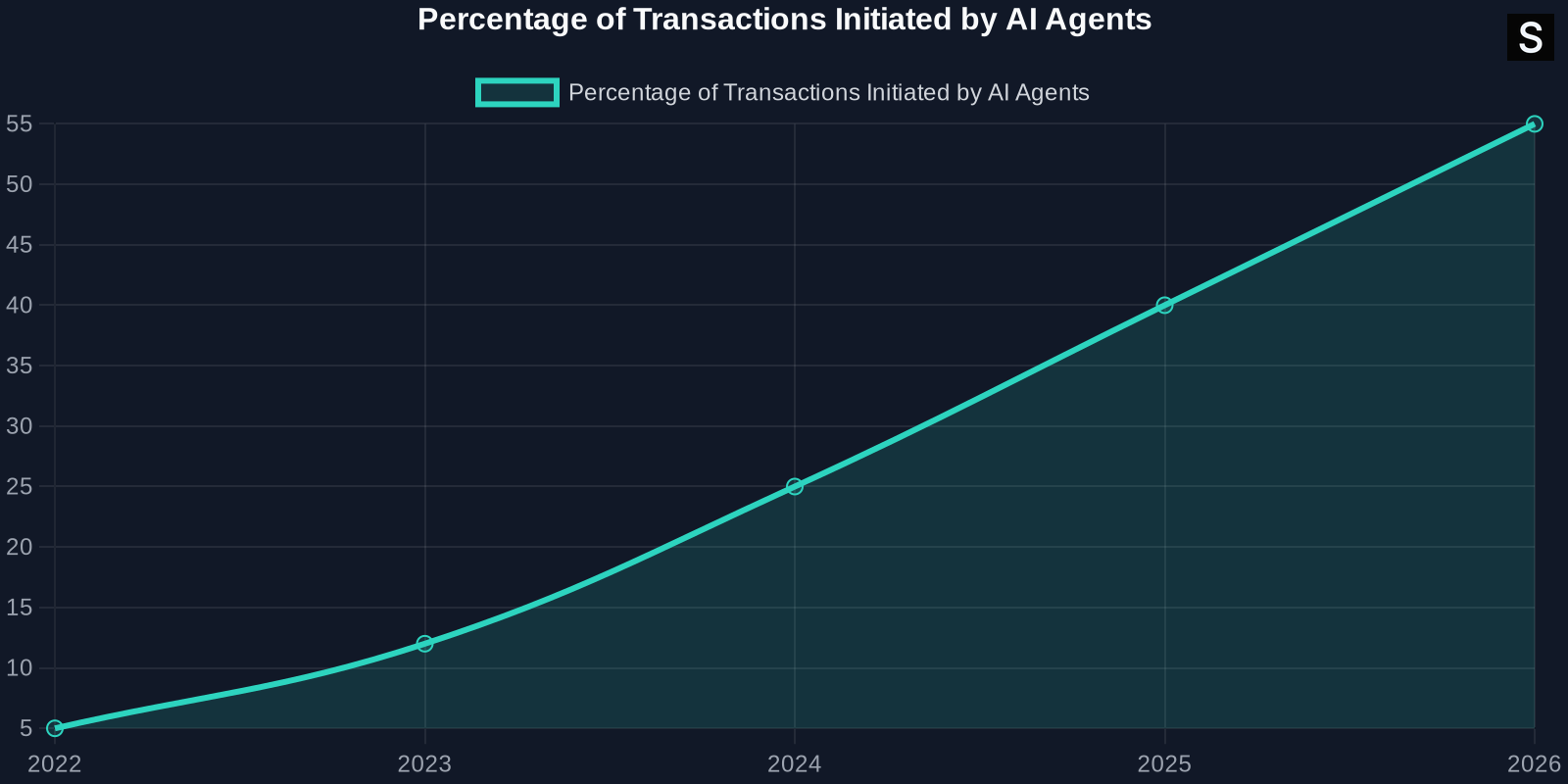
The trajectory is clear: AI agents will become the primary interface for customer service. According to the Forbes article, 55% of leaders believe agents will become a major transaction channel. This shift will accelerate as AI technology matures and customer expectations evolve.
Emerging Trends
- Voice Agents: AI agents that handle phone calls with natural, human-like speech.
- Emotion AI: Agents that detect and respond to customer emotions in real-time.
- Hyper-Personalization: Agents that tailor every interaction based on individual customer profiles.
- Agent-to-Agent Communication: AI agents from different companies collaborating to resolve complex issues.
Conclusion
AI agents are transforming customer service from a cost center into a strategic asset. By handling routine queries, initiating proactive outreach, and providing 24/7 support, they free human agents to focus on what matters most: building relationships and solving complex problems.
Choosing the right AI agent requires a clear understanding of your use case, integration needs, and security requirements. Start small, measure results, and scale based on data. The future of customer service is here—and it's powered by AI.
Ready to explore AI agents for your business? Read the full Forbes article for deeper insights, and start your journey today.