AI Agents at Your Service: Transforming Business Operations in 2026

AI Agents at Your Service: Transforming Business Operations in 2026
By 2026, AI agents have become integral to business operations, driving unprecedented levels of efficiency and customer satisfaction. The landscape of AI adoption has shifted dramatically, with companies no longer treating AI as a side project but as a core component of their strategic initiatives.
The Evolution of AI Agents
The journey of AI agents from passive chatbots to active task executors has been remarkable. This evolution has not only boosted productivity but also necessitated a stronger focus on system security and governance.
From Chatbots to Active Agents
The transition from passive chatbots to active AI agents marks a significant milestone in the AI landscape. Active agents can now perform tasks such as scheduling meetings, managing customer inquiries, and even making data-driven decisions.

AI Adoption Across Industries
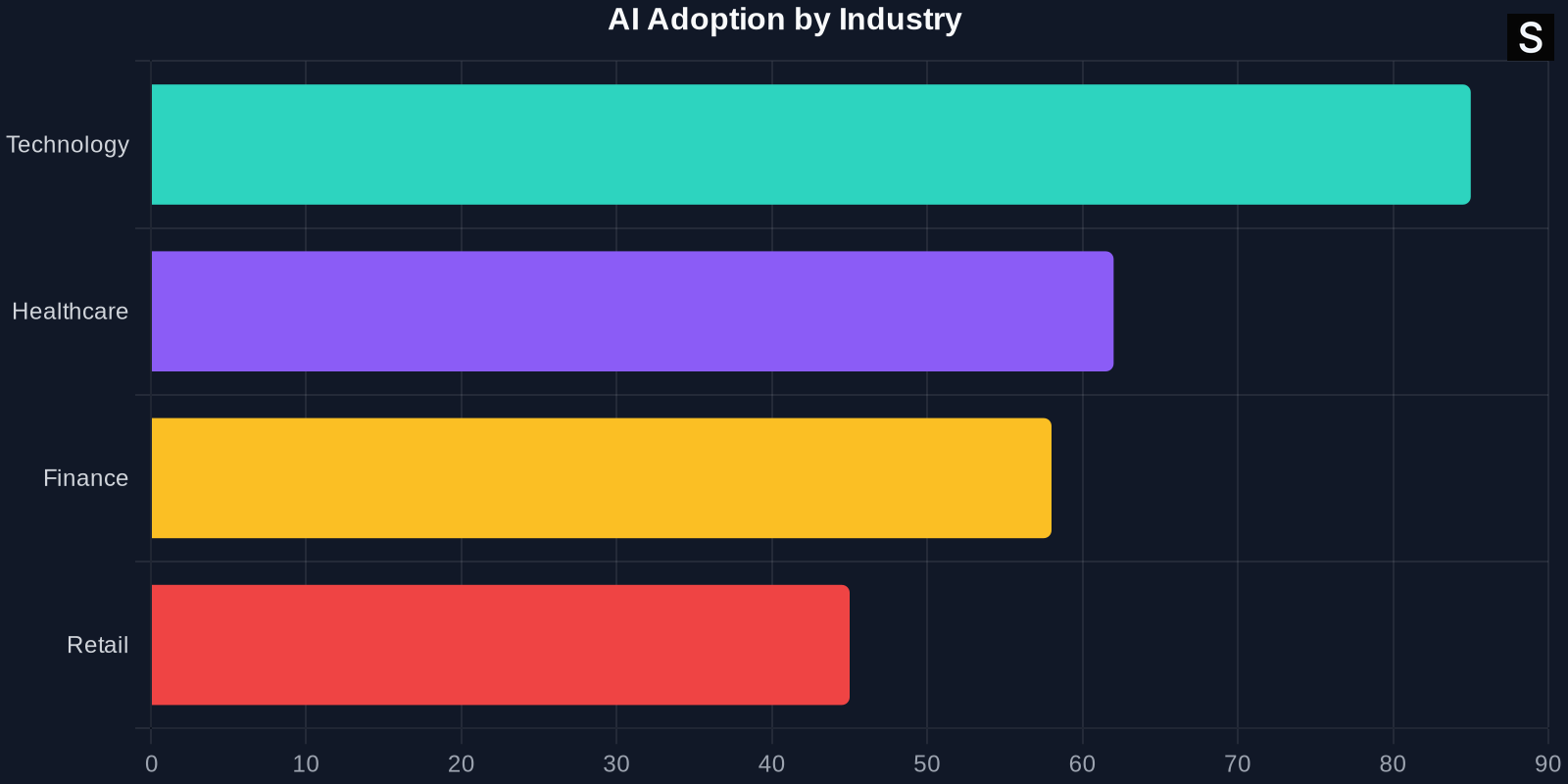
The adoption of AI agents varies across different industries, with some sectors leading the way in implementation and innovation.
Technology Sector
The technology sector has been at the forefront of AI adoption, with companies leveraging AI agents to streamline operations and enhance customer interactions. The ability to automate routine tasks has allowed tech companies to focus on innovation and strategic initiatives.
Healthcare Sector
In healthcare, AI agents are revolutionizing patient care and administrative processes. From scheduling appointments to managing patient records, AI agents are improving efficiency and reducing the burden on healthcare professionals.
Enhancing Customer Experience
AI agents are playing a crucial role in enhancing customer experience by providing personalized and efficient service. Companies are leveraging AI agents to handle customer inquiries, resolve issues, and offer tailored recommendations.
AI agents are here to enhance the customer experience, drive operational efficiency, and create new avenues for growth.
Personalized Customer Interactions
One of the key benefits of AI agents is their ability to provide personalized customer interactions. By analyzing customer data, AI agents can offer tailored recommendations and solutions, leading to higher customer satisfaction and loyalty.
Efficient Issue Resolution
AI agents are equipped to handle a wide range of customer issues, from simple inquiries to complex problems. Their ability to quickly analyze and resolve issues has significantly reduced response times and improved customer satisfaction.
Operational Efficiency and Growth
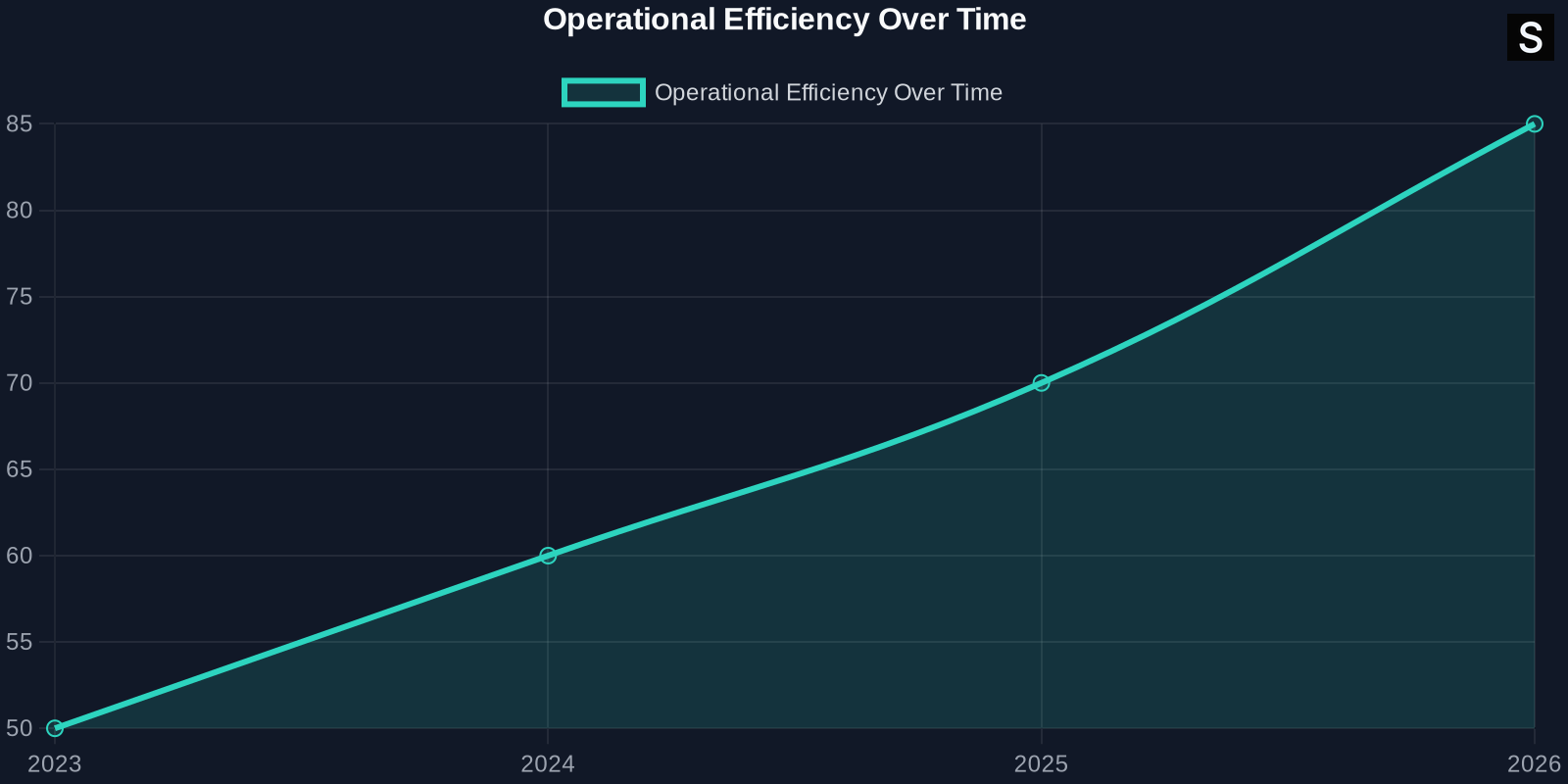
AI agents are driving operational efficiency by automating routine tasks and optimizing business processes. This not only reduces operational costs but also allows companies to allocate resources more effectively.
Automating Routine Tasks
The automation of routine tasks is one of the most significant contributions of AI agents to operational efficiency. By handling repetitive tasks, AI agents free up human resources to focus on more strategic and creative endeavors.
Optimizing Business Processes
AI agents are also playing a crucial role in optimizing business processes. By analyzing data and identifying patterns, AI agents can suggest improvements and automate workflows, leading to more efficient and effective operations.
Security and Governance
As the adoption of AI agents grows, so does the need for robust security and governance frameworks. Ensuring the security of AI agents and the data they handle is paramount to maintaining customer trust and regulatory compliance.
Traceable and Auditable Authorization
Companies are now implementing traceable and auditable authorization policies for AI agents. This ensures that every action taken by an AI agent can be tracked and audited, providing an additional layer of security and accountability.
| Feature | Before AI Agents | After AI Agents |
|---|---|---|
| Task Execution | Manual | Automated |
| Customer Interaction | Limited Personalization | Highly Personalized |
| Operational Efficiency | Moderate | High |
| Security | Basic | Advanced |
Policy-Based Control
Policy-based control mechanisms are being implemented to govern the actions of AI agents. These mechanisms ensure that AI agents operate within defined parameters and adhere to company policies and regulatory requirements.
Key Takeaways
Conclusion
The integration of AI agents into business operations is transforming the way companies operate and interact with customers. As we move further into 2026, the adoption of AI agents will continue to grow, driven by their ability to enhance customer experience, drive operational efficiency, and create new avenues for growth.
Companies that embrace this shift and invest in AI agents will be well-positioned to thrive in the evolving business landscape. By prioritizing security and governance, businesses can ensure that their AI agents operate effectively and responsibly, delivering maximum value to both the company and its customers.