AI Workflow Automation: Revolutionize the Way You Work with AI Agents in 2026

AI Workflow Automation: Revolutionize the Way You Work with AI Agents in 2026
Estimated reading time: 10 minutesAI is no longer a futuristic concept—it's a present-day revolution reshaping how we work. By 2026, AI agents will handle routine tasks, optimize complex workflows, and even create new ways of collaborating. Microsoft’s Power Platform blog recently highlighted how automation and AI are converging to transform productivity. In this article, we'll explore the five key ways AI agents will change the way we work, backed by real statistics, expert insights, and actionable strategies.
Why AI Workflow Automation Matters Now
The pace of AI adoption has accelerated dramatically. According to recent surveys,85% of technology companieshave already integrated AI into their workflows, and the trend is spreading across industries. Yet many professionals still worry that AI will replace their jobs. The reality is different: AI isn't here to take your job—it's here to change how you work.
"AI can handle routine tasks, but it can never replace your unique human creativity, judgment, and empathy."
That statement from industry experts captures the essence of this transformation. By offloading repetitive work to AI agents, you free up time for higher-value thinking, innovation, and relationship-building.
5 Ways AI Agents Will Transform Your Work in 2026
1. AI Agents Boost Productivity by Automating Repetitive Tasks

One of the most immediate benefits of AI workflow automation is the reduction of manual, time-consuming tasks. Whether it's data entry, report generation, or email sorting, AI agents can handle these quickly and accurately.
2. Agentic Workflows Become the New Normal
Agentic workflows refer to sequences of tasks that AI agents perform autonomously, often across multiple applications and data sources. By 2026, these workflows will be standard in most enterprises.
"Agentic workflows will become the backbone of business processes, handling everything from customer onboarding to compliance checks."
Imagine a new employee joining your company: an AI agent triggers a workflow that creates accounts, sends welcome materials, schedules training, and even assigns a mentor—all without human intervention.
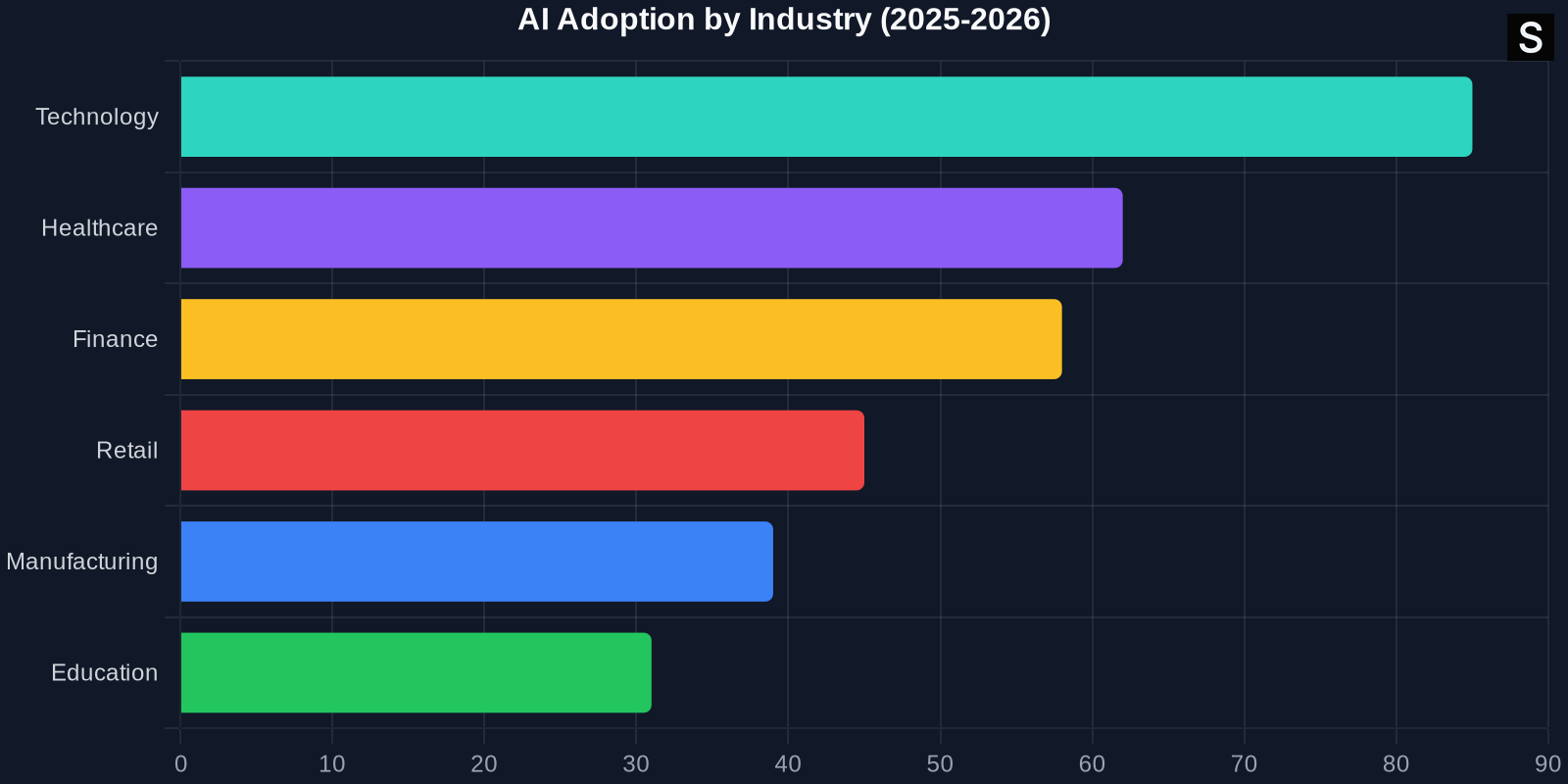
This shift reduces errors, accelerates onboarding, and ensures consistency. The technology is already available via platforms like Microsoft Power Platform, which integrates AI agents with existing business tools.
3. AI Agents Enable Smarter Decision-Making with Real-Time Data
AI agents aren't just task-doers; they're also analysts. By constantly monitoring data streams, they can provide real-time insights and recommendations.
4. AI Democratizes Access to Powerful Tools
Previously, advanced automation required specialized coding skills. Now, low-code and no-code platforms allow anyone to build AI agents. Microsoft Power Platform, for instance, lets you create workflows using drag-and-drop interfaces.
This democratization means that business analysts, marketers, and even HR professionals can design their own automations without IT support.
Practical Steps to Get Started with AI Workflow Automation
Assess Your Current Processes
List your daily, weekly, and monthly tasks. Identify those that are repetitive, rule-based, and time-sensitive—these are ideal candidates for automation.
Choose the Right Platform
Popular options include:
- Microsoft Power Platform (Power Automate + AI Builder)
- OpenAI’s GPT-powered agents
- Specialized industry tools (e.g., for healthcare or finance)
Build Your First Agent
Start with a simple workflow: for example, automate email responses or data entry from forms. Use templates to speed up development.
Monitor and Iterate
AI agents learn from data. Monitor their performance, collect feedback, and refine their logic regularly.
The Future of Work: Collaboration, Not Replacement
The narrative that AI will replace human workers is oversimplified. History shows that technology shifts jobs rather than eliminates them. In 2025 and into 2026, AI is creating new roles like prompt engineers, AI ethics officers, and workflow designers.

Conclusion
AI workflow automation is not a distant future—it’s happening now. By understanding the five ways AI agents will transform work in 2026, you can start preparing today. Whether you’re a marketer, a manager, or a developer, there’s an opportunity to leverage these tools to work smarter, not harder.
 Ready to get started? Explore Microsoft Power Platform or other AI tools to build your first agent. The revolution is here—don’t get left behind.