Navigating the Stock Market Outlook: Risk-On Sentiment and the AI Bubble

Navigating the Stock Market Outlook: Risk-On Sentiment and the AI Bubble

The stock market is a dynamic and ever-evolving landscape, shaped by a myriad of factors ranging from economic indicators to technological advancements. As we approach 2026, asset managers and investors are increasingly adopting a 'risk-on' sentiment, betting on continued economic growth and market stability. This article delves into the current stock market outlook, the risk-on sentiment among asset managers, and the potential implications of the AI bubble.
Understanding the Risk-On Sentiment
What is Risk-On Sentiment?
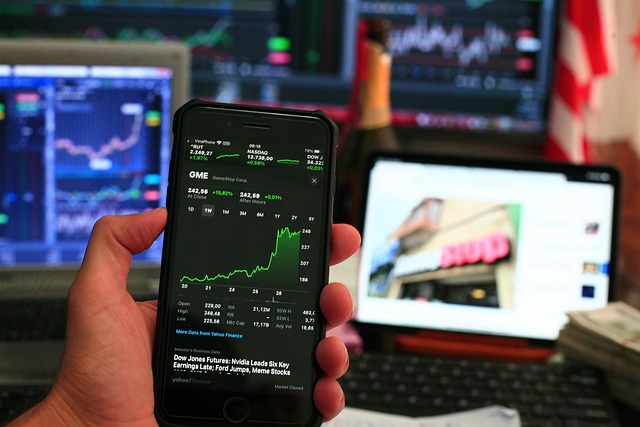
The term 'risk-on' refers to a market environment where investors are more willing to take on higher levels of risk in pursuit of greater returns. This sentiment is typically characterized by a shift in investment from safer assets like bonds to more volatile assets like stocks. According to a recent report, more than three-quarters of asset allocators are positioning their portfolios for a risk-on environment through 2026.
Factors Driving Risk-On Sentiment
Several factors are contributing to the current risk-on sentiment:
- Economic Growth: Strong economic indicators, such as GDP growth and low unemployment rates, are boosting investor confidence.
- Corporate Earnings: Robust corporate earnings reports are signaling healthy business environments.
- Monetary Policy: Accommodative monetary policies by central banks are providing a supportive backdrop for risk assets.
- Technological Advancements: Rapid advancements in technology, particularly in the field of artificial intelligence (AI), are opening up new investment opportunities.
The AI Bubble: Hype or Reality?
The Rise of AI Investments
Investment in AI has surged in recent years, driven by the promise of transformative technologies that can revolutionize industries. From healthcare to finance, AI is being hailed as the next big thing. However, this enthusiasm has also raised concerns about a potential AI bubble.

Signs of an AI Bubble
While AI holds immense potential, there are signs that the current investment frenzy may be leading to a bubble:
- Valuation Multiples: Many AI-related stocks are trading at high valuation multiples, reminiscent of the dot-com bubble.
- Speculative Investments: There is a proliferation of speculative investments in AI startups with unproven business models.
- Market Volatility: Increased volatility in AI-related stocks suggests that market sentiment is driving prices more than fundamentals.
Potential Implications
If the AI bubble were to burst, the implications could be significant:
- Market Correction: A sharp correction in AI-related stocks could lead to broader market declines.
- Investor Confidence: A burst bubble could erode investor confidence, leading to a more risk-averse market environment.
- Economic Impact: The economic impact could be substantial, affecting not just the tech sector but the broader economy as well.
Sector-Specific Insights
Small-Cap Stocks and Industrials
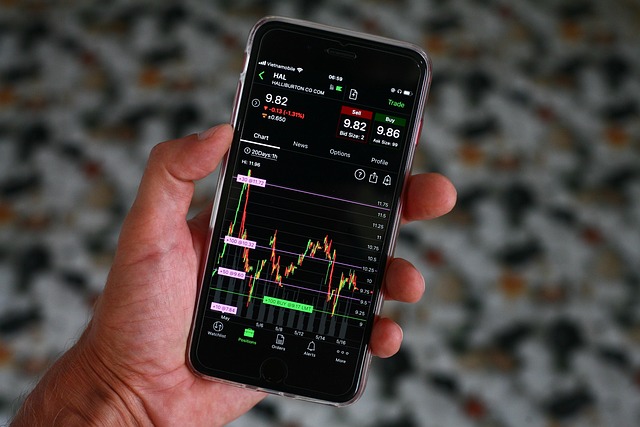
Small-cap stocks and industrials are typically more highly leveraged than the rest of the market. As the Federal Reserve maintains its accommodative stance, these sectors are expected to see profitability rise. This is because lower interest rates reduce the cost of borrowing, making it easier for these companies to service their debt and invest in growth opportunities.
Infrastructure Investment
Investment in infrastructure is another area that stands to benefit from the current risk-on sentiment. As noted by experts, what consumers have to spend on goods and services depends on what they earn as workers. Infrastructure projects can create jobs, boost wages, and stimulate economic activity, leading to increased consumer spending and economic growth.
Case Studies: AppLovin and The Trade Desk
AppLovin (Nasdaq: APP)
AppLovin, a mobile marketing platform, reported strong Q3 2025 earnings, beating estimates. The company's focus on AI-driven marketing solutions has positioned it well in the current market environment. However, the market's reaction to its earnings report was muted, suggesting that investors may be cautious about the sustainability of its growth.

The Trade Desk (Nasdaq: TTD)
The Trade Desk, a demand-side platform for digital advertising, also reported robust Q3 2025 earnings. The company's use of AI in its advertising algorithms has been a key driver of its success. Like AppLovin, The Trade Desk's stock performance following its earnings report was subdued, indicating investor caution.

Global Housing Market: A Comparative Analysis
UBS Report on Global Housing Bubble
According to a report by the Swiss bank UBS, a global housing bubble is unlikely to burst in the near term. However, some markets are more vulnerable than others. The report highlights that while overall market conditions are stable, certain regions may experience localized bubbles due to specific economic factors.

Regional Insights
- North America: The housing market in North America is showing signs of stabilization, with moderate price increases and steady demand.
- Europe: European housing markets are more varied, with some countries experiencing strong growth while others face challenges.
- Asia: The Asian housing market is diverse, with some markets showing robust growth and others facing potential bubbles.
Strategies for Investors
Diversification
Diversification remains a cornerstone of sound investment strategy. By spreading investments across different asset classes, sectors, and regions, investors can reduce risk and enhance potential returns. This is particularly important in a risk-on environment, where market volatility can be higher.

Long-Term Perspective
Maintaining a long-term perspective is crucial. While short-term market movements can be unpredictable, a focus on long-term goals can help investors weather market fluctuations and achieve their financial objectives.
Risk Management
Effective risk management is essential in a risk-on environment. This includes setting stop-loss orders, regularly reviewing and rebalancing portfolios, and staying informed about market trends and economic indicators.
Conclusion
The stock market outlook through 2026 is characterized by a risk-on sentiment among asset managers, driven by strong economic growth, robust corporate earnings, and technological advancements. However, the potential AI bubble and other market dynamics warrant careful consideration. By understanding the factors driving the risk-on sentiment, the signs of an AI bubble, and the strategies for navigating this landscape, investors can make informed decisions and position their portfolios for success.
For further reading, you can explore the original article on Fortune and related reports on Bloomberg.