Salesforce Acquires Fin for $3.6B: AI Agents Reshape Customer Service in 2026

How the $3.6B Deal Changes the AI Landscape for Enterprises
On June 15, 2026, Salesforce signed a definitive agreement to acquire Fin, the AI customer agent company formerly known as Intercom, for approximately $3.6 billion. This bold move accelerates Salesforce's Agentforce strategy by adding a proven AI agent stack and SMB-friendly deployment options, but it also raises critical questions about adoption and integration.
SMB-Friendly Deployment
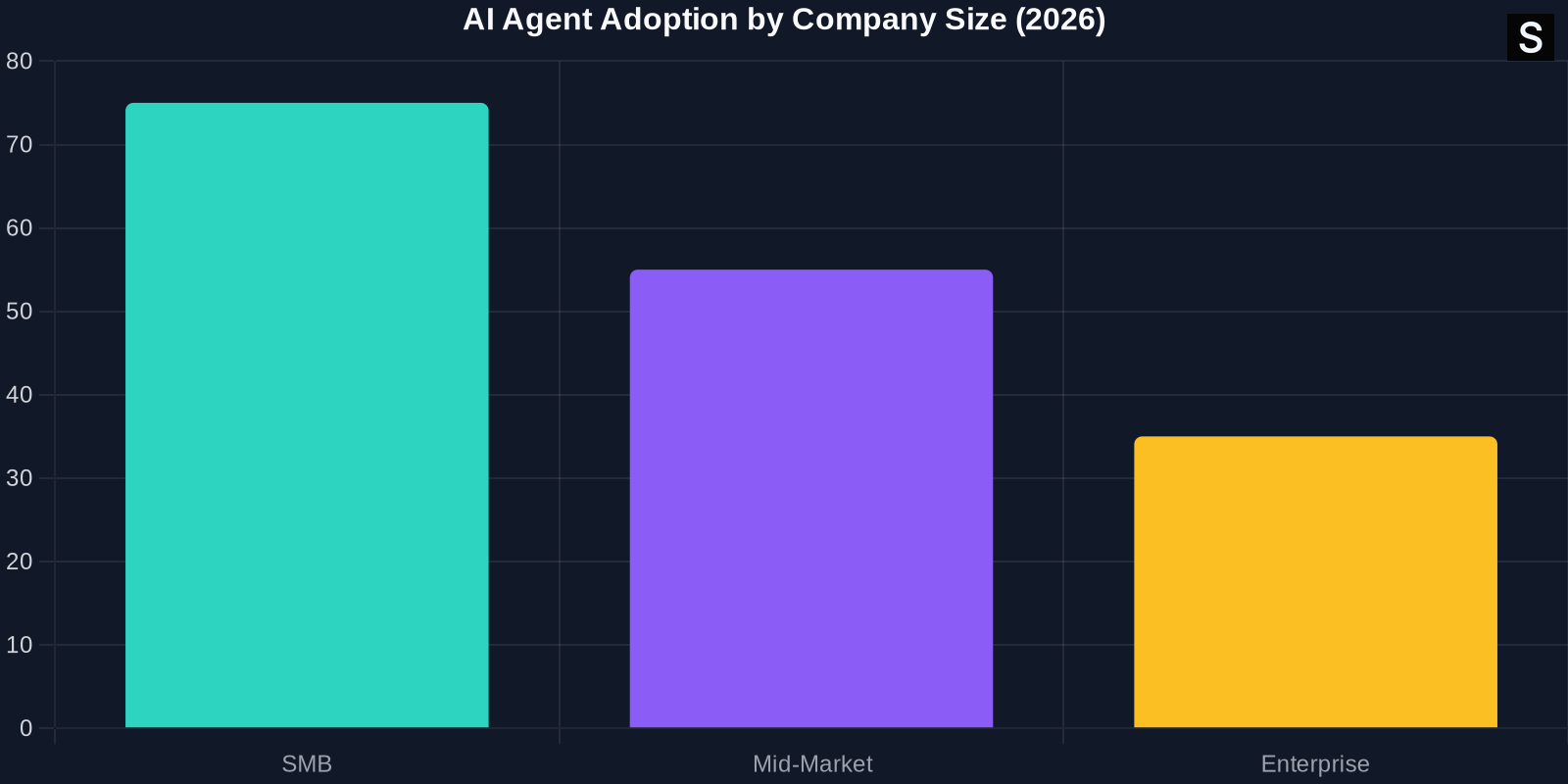
One of Salesforce's persistent challenges has been penetrating the small-to-medium business (SMB) segment. Fin's product is lightweight, easy to deploy, and priced for growth-stage companies. By acquiring Fin, Salesforce gains an immediate entry point into SMB customer service automation.
What Fin Brings to Agentforce
Fin contributes three critical components to Salesforce's stack:
- Agent Runtime– A scalable inference engine that runs AI agents with low latency. -Conversational Memory– Persistent context across sessions, essential for complex support workflows. -Integration Layer– Pre-built connectors for over 200 business tools, including Slack, Shopify, and Jira.
How AI Agents Will Transform Customer Service Operations
Customer service is the frontline of AI adoption. Gartner predicts that by 2028,40% of all customer service interactionswill be handled by AI agents. The Fin acquisition accelerates this timeline for Salesforce customers.

Three Key Benefits of AI Agents in Customer Service
1.24/7 Availability– Agents never sleep, reducing resolution time from hours to seconds. 2.Consistent Quality– No bad days. Every interaction follows best practices. 3.Cost Reduction– Automate up to 60% of tier-1 support tickets.
The Human-AI Collaboration Model
AI agents don't replace humans; they augment them. Callouts, escalations, and complex problem-solving remain human tasks. The best deployment model uses AI for high-volume, low-complexity queries.
Fin vs. Agentforce: What Changes After the Acquisition?
Before and after the acquisition, the capabilities shift significantly:
**Positive spin:**The deal validates AI agents as a must-have category. Salesforce gains immediate credibility. **Cautionary note:**Integration risk is real. Salesforce's history of large acquisitions (MuleSoft, Tableau) shows mixed results in cultural and technical merging.
Competitor Positioning
-Zendesk– Already offers AI agents with Answer Bot; will likely accelerate roadmap. -HubSpot– Investing in its own AI agent Breeze, but lacks Fin's enterprise depth. -ServiceNow– AIOps for IT service management; less direct overlap.
What This Means for Your Customer Service Strategy
If you're evaluating AI agents for customer service, the Fin acquisition signals long-term platform stability. Here's your action plan:
Step 1: Audit Current Automation
Assess which queries can be automated. Use historical ticket data to identify patterns.
Step 2: Pilot with Fin (or Agentforce)
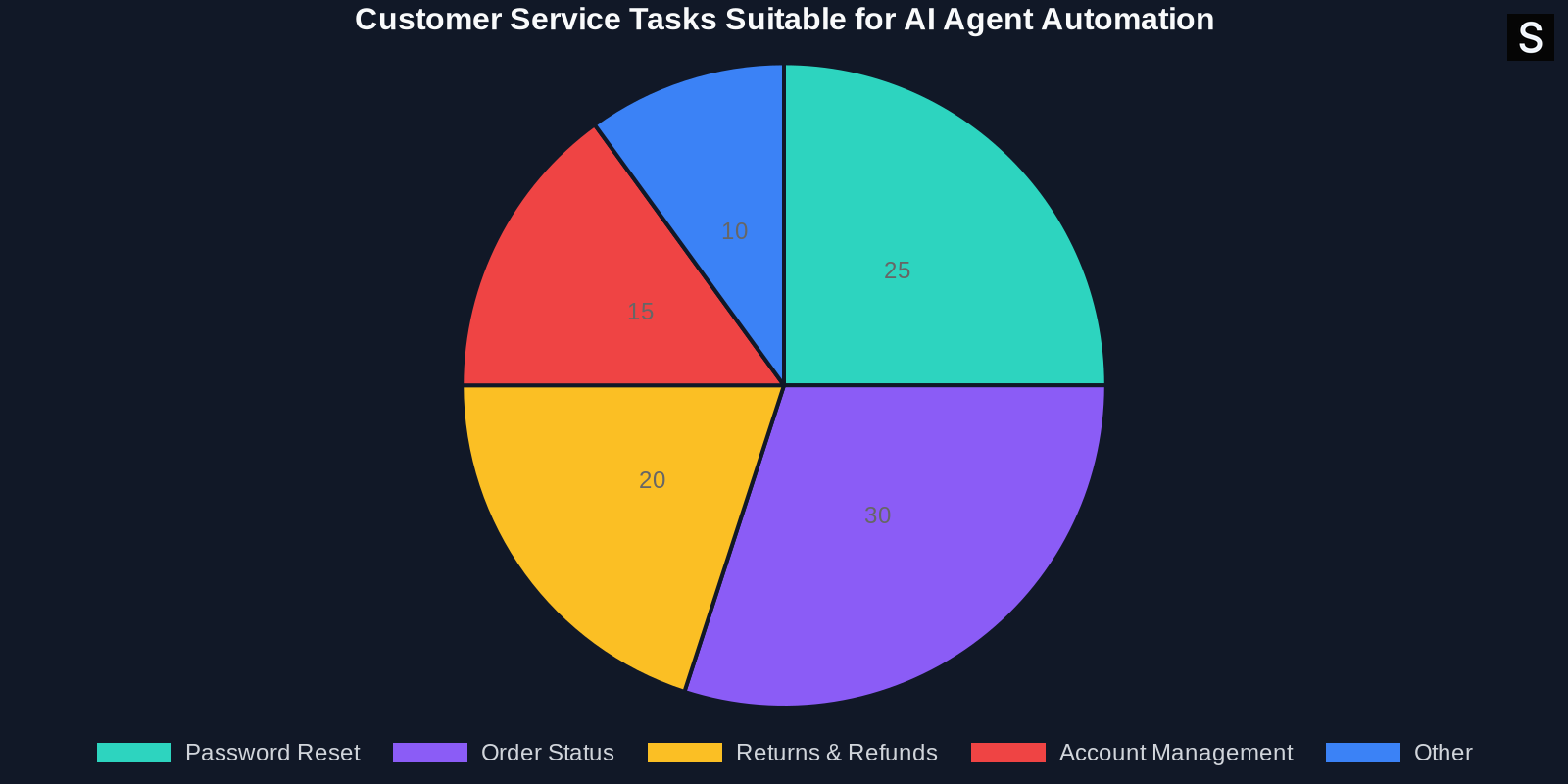
Start a 30-day pilot with 3-5 agent types. Common starting points:
- Password reset assistance.
- Order status inquiries.
- FAQ responses for returns.
Step 3: Measure Baseline Metrics
Track before and after metrics:
- Average handle time (AHT): aim for 50% reduction.
- First contact resolution (FCR): target 80%+.
- Customer satisfaction score (CSAT): maintain or improve.
Key Takeaways: What You Need to Know
The Salesforce acquisition of Fin for $3.6 billion is a watershed moment for AI in customer service. Here are the key points to remember:
Act Now: Start Your AI Agent Journey
Whether you're a Salesforce customer or a Fin user, the window to prepare is now. AI agents aren't the future—they're the present. The companies that start experimenting today will have a clear competitive advantage by 2027. Ready to take the next step?
- Evaluate your current customer service automation.
- Request a demo of Fin + Agentforce solutions.
- Build your internal AI agent adoption roadmap.
For more details on the acquisition, visit the original announcement at TechZine.
This article is for informational purposes only and does not constitute investment advice. Data sources include industry reports and company announcements.