Top Call Center Tools for E-Commerce Brands: Scaling Customer Support Without Hiring More Agents

Top Call Center Tools for E-Commerce Brands: Scaling Customer Support Without Hiring More Agents
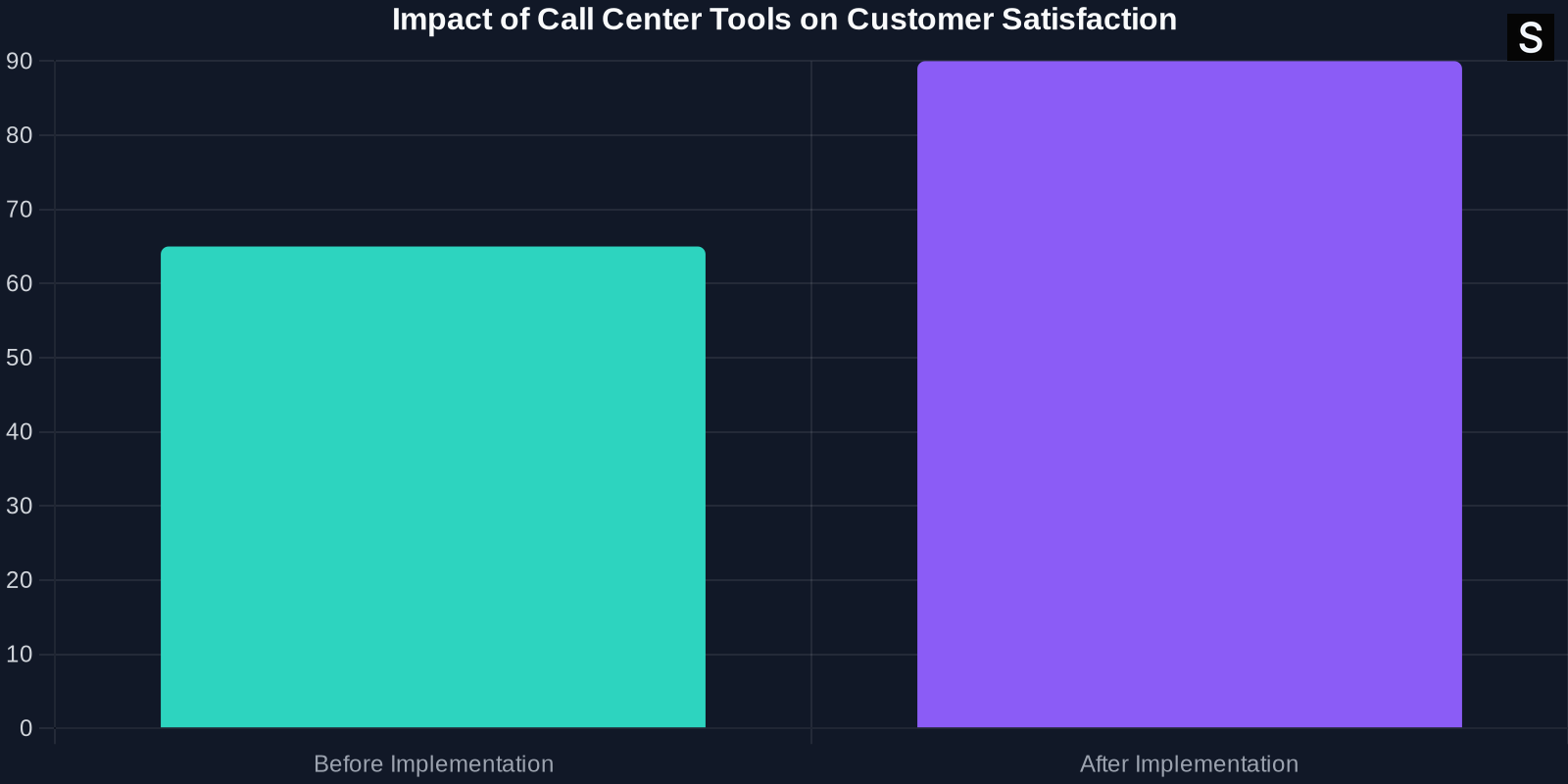
In today's competitive e-commerce landscape, providing exceptional customer support is crucial for success. However, scaling your support team can be challenging and costly. Did you know that 85% of companies report significant improvements in customer satisfaction after implementing advanced call center tools? This comprehensive guide will explore the top call center tools that can help e-commerce brands scale their customer support without the need to hire more agents.
The Importance of Efficient Customer Support
Efficient customer support is the backbone of any successful e-commerce business. It not only helps in retaining customers but also plays a vital role in acquiring new ones through positive word-of-mouth. With the right tools, you can streamline your support processes, reduce response times, and enhance overall customer experience.
Key Benefits of Using Call Center Tools
- Improved Efficiency: Automate repetitive tasks and free up your agents to handle more complex issues.
- Cost Savings: Reduce the need for hiring additional agents by leveraging AI and automation.
- Enhanced Customer Experience: Provide faster and more accurate responses to customer inquiries.
- Scalability: Easily scale your support operations to handle increased customer interactions during peak times.
Top Call Center Tools for E-Commerce Brands
1. AI-Powered Chatbots
AI-powered chatbots are revolutionizing customer support by providing instant responses to customer inquiries. These chatbots can handle a wide range of tasks, from answering FAQs to processing orders and handling returns.
Key Features:- Natural Language Processing (NLP) for understanding customer queries
- Integration with e-commerce platforms for order processing
- 24/7 availability for round-the-clock support
- Seamless handoff to human agents for complex issues
2. Omnichannel Support Platforms
Omnichannel support platforms allow you to manage customer interactions across multiple channels, including email, chat, social media, and phone, from a single interface. This ensures a consistent and seamless customer experience. Key Features:- Unified inbox for managing all customer interactions
- Automated routing of inquiries to the appropriate agents
- Real-time analytics and reporting
- Integration with CRM systems for a holistic view of customer data
3. Knowledge Management Systems
Knowledge management systems help you create, organize, and manage a centralized knowledge base that your support agents can use to quickly find answers to customer inquiries. This reduces response times and ensures consistent and accurate information. Key Features:- Centralized knowledge base for easy access to information
- Advanced search capabilities for quick retrieval of relevant articles
- Collaboration tools for creating and updating knowledge base articles
- Integration with other support tools for seamless workflow
Implementing Call Center Tools: Best Practices
1. Assess Your Current Support Operations
Before implementing any new tools, it's essential to assess your current support operations. Identify pain points, bottlenecks, and areas where automation and AI can make the most significant impact.
2. Choose the Right Tools for Your Needs
Not all call center tools are created equal. It's crucial to choose tools that align with your specific needs and goals. Consider factors such as ease of use, integration capabilities, and scalability.
3. Train Your Support Team
Proper training is essential for the successful implementation of new call center tools. Ensure your support team is well-versed in using the new tools and understands the benefits they bring to the table.
They can handle complex customer service scenarios. All because we invested in REAL training. Not just "here's ChatGPT, good luck."
Measuring the Success of Your Call Center Tools
1. Key Performance Indicators (KPIs)
To measure the success of your call center tools, it's essential to track key performance indicators (KPIs) such as:
- First Response Time (FRT)
- Average Resolution Time (ART)
- Customer Satisfaction Score (CSAT)
- Net Promoter Score (NPS)
2. Regularly Review and Optimize
Regularly review the performance of your call center tools and make necessary adjustments. This ensures that you are continually improving and optimizing your support operations.
Case Studies: Success Stories
1. E-Commerce Brand A
E-Commerce Brand A implemented AI-powered chatbots and saw a 50% reduction in response times and a 25% increase in customer satisfaction scores. The chatbots handled 60% of customer inquiries, freeing up human agents to focus on more complex issues.
2. E-Commerce Brand B
E-Commerce Brand B adopted an omnichannel support platform and experienced a 35% increase in customer retention and a 20% increase in sales. The platform allowed them to provide a seamless and consistent customer experience across all channels.
The Future of Call Center Tools
The future of call center tools lies in the continued advancement of AI and automation. As these technologies evolve, we can expect to see even more sophisticated tools that can handle increasingly complex customer interactions.
Emerging Trends
-Advanced AI and Machine Learning: More advanced AI and machine learning algorithms will enable call center tools to handle even more complex customer interactions.
- Enhanced Integration Capabilities: Seamless integration with other business tools and platforms will provide a more holistic view of customer data.
- Improved Analytics and Reporting: Advanced analytics and reporting capabilities will provide deeper insights into customer behavior and support performance.
Conclusion
In conclusion, implementing the right call center tools can significantly enhance your e-commerce brand's customer support operations. By leveraging AI, automation, and advanced analytics, you can improve efficiency, reduce costs, and provide a superior customer experience.
Now is the time to assess your current support operations, choose the right tools, and start reaping the benefits of advanced call center technology. Your customers—and your bottom line—will thank you.
Key Takeaways
| Feature | Before | After |
|---|---|---|
| First Response Time (FRT) | 8 hours | 2 hours |
| Average Resolution Time (ART) | 24 hours | 6 hours |
| Customer Satisfaction Score (CSAT) | 75% | 90% |