AI Reshaping Tech Layoffs: Not Just Cuts, But a Rewire

AI Reshaping Tech Layoffs: Not Just Cuts, But a Rewire
The tech industry is undergoing a seismic shift. In 2026, tech giants like Oracle and Meta are slashing tens of thousands of jobs — over 51,000 in Q1 alone — to redirect billions toward AI infrastructure and innovation. This isn't just about cost-cutting; it's a fundamental rewiring of the tech landscape.
The AI Revolution: A Double-Edged Sword
AI is transforming industries at an unprecedented pace. While it promises efficiency and innovation, it also brings significant disruptions. The first three months of 2026 saw a 40% jump in tech layoffs compared to the same period last year, according to Challenger, Gray & Christmas.
The Scale of AI Exposure
As much as 70% of jobs are in some way exposed to AI, according to some estimates. This exposure doesn't necessarily mean immediate layoffs, but it does indicate a shift in the skills and roles required in the workforce.
Investment vs. Return: The AI Paradox
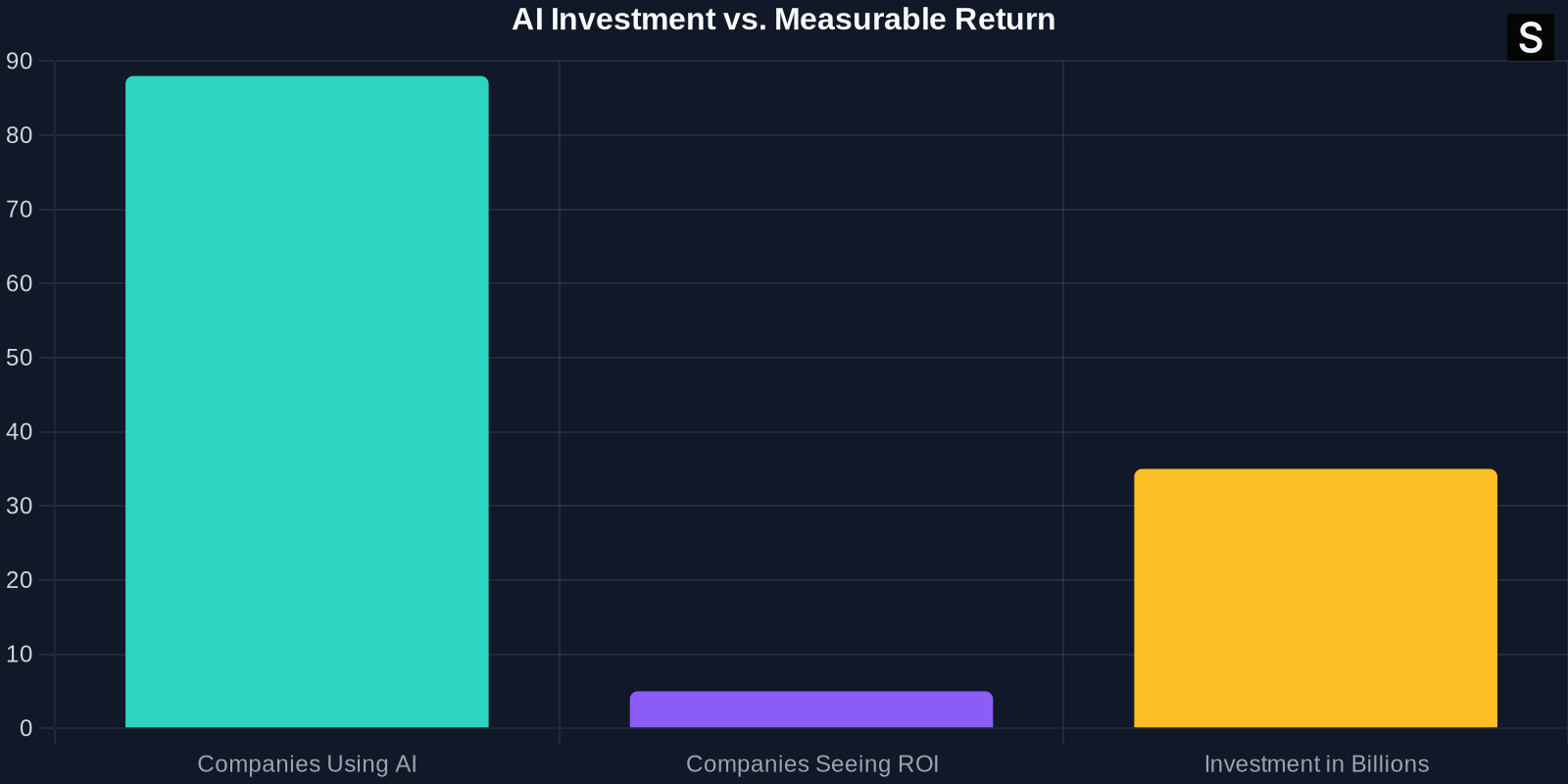
Despite substantial investments in AI, many organizations are struggling to see measurable returns. A staggering 95% of organizations see zero measurable return on their AI investments, even as 88% of companies use AI in some form.
The AI revolution is not just about technology; it's about people and how they adapt to new roles and responsibilities.
The Investment Landscape
Big tech companies are investing billions into AI companies like OpenAI. However, the return on investment (ROI) is not always immediate or clear. This paradox is leading to a reevaluation of how companies approach AI adoption.
The Human Impact: Layoffs and Unemployment
The shift towards AI is having a tangible impact on employment. San Francisco's unemployment rate rose to 4.1% in January as tech layoffs continued, contrasting with California and national job gains.
Job Market Trends
The Labor Department reported that employers cut 92,000 jobs in February, a stark contrast to the expected job additions. This trend is indicative of the broader shifts in the job market due to AI adoption.
The Future of Work: Adapting to AI
The future of work is being reshaped by AI. Workers need to adapt to new roles and acquire new skills to stay relevant. This transition is not just about technology but also about people and how they adapt to new roles and responsibilities.
Skills for the AI Era
To thrive in the AI era, workers need to focus on skills that complement AI technologies. This includes data analysis, machine learning, and AI ethics. Companies are also investing in reskilling programs to help employees transition to new roles.
| Skill | Demand in 2023 | Demand in 2026 |
|---|---|---|
| Data Analysis | High | Very High |
| Machine Learning | Medium | High |
| AI Ethics | Low | Medium |
Key Takeaways
Conclusion: Navigating the AI Transition
The AI revolution is reshaping the tech industry in profound ways. While it brings challenges, it also offers opportunities for innovation and growth. Companies and workers alike need to adapt to this new landscape, focusing on reskilling and upskilling to thrive in the AI era.

For more insights on AI and its impact on the job market, check out authoritative sources like McKinsey & Company and Harvard Business Review.