
Transforming Game Day Support: Lessons from the Packers vs. Vikings Week 10 Rivalry for High-Volume Live Chat
For support team leads and B2B SaaS founders, game day in the NFL is a masterclass in high-stakes execution. When the Green Bay Packers clashed with the Minnesota Vikings in Week 10 of the 2026 season, it wasn't just a test of athletic prowess, it was a display of strategic pressure management, real-time adaptation, and defensive dominance. The Vikings' defense let loose with eight sacks and forced four Packers turnovers, a masterclass in anticipating and neutralizing threats.
What does this have to do with your customer support queue? Everything. When ticket volumes spike, during a product launch, a pricing update, or a viral social media mention, your support team faces its own elite pass rush. Without the right tools, you suffer the operational equivalent of a turnover: lost customers, burned-out agents, and a tarnished brand reputation. This article dissects the Packers-Vikings matchup through a customer success lens, revealing how to build an AI-powered, blitz-proof support strategy.
The Blitz is Coming: Why Live Chat Can't Be a Static Game Plan
The Vikings didn't sit back in a predictable Cover 2 shell; they brought relentless, variable pressure that the Packers' offensive line couldn't diagnose in time. In support, a static defense, like a purely human-staffed live chat with no AI, gets overwhelmed when the blitz hits. Customers demand instant answers, yet human agents are limited to one conversation at a time.
Consider the pressure points Green Bay failed to handle. After an injury to a key defensive player (comparable to losing your top support agent during peak season), their pass rush was described as "dismal at best." Your support team faces the same risk. If your most knowledgeable agent quits or falls ill during a spike, your quality collapses. The solution is an AI co-pilot trained on your entire knowledge base, hundreds of articles, past tickets, and product specs, that can instantly resolve common queries, just as an elite defensive coordinator schemes pressures to neutralize the opposing offense.
Scouting the Opponent: The Top 3 Ticket-Sacking Scenarios
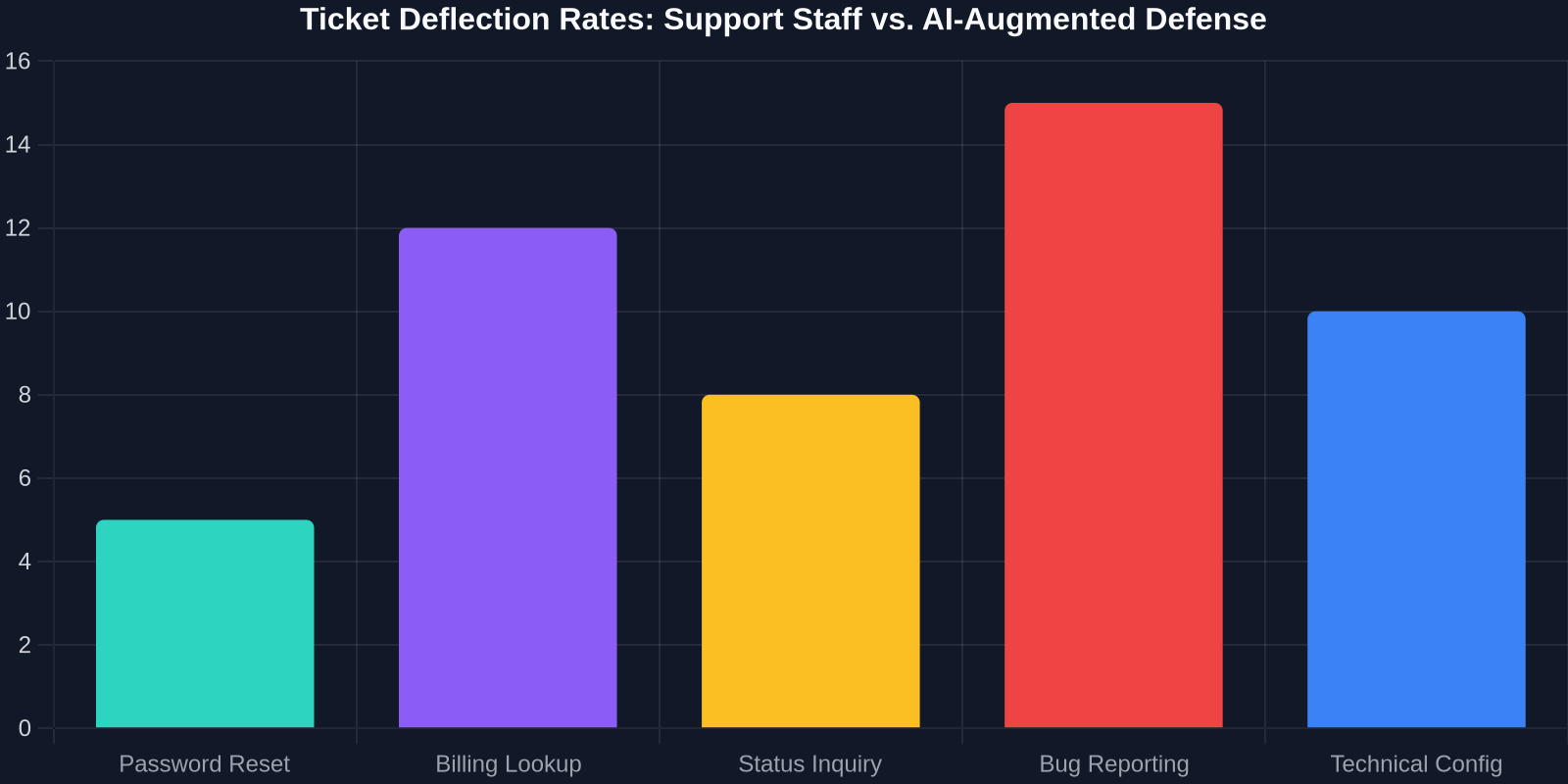
To build a winning support game plan, you need to study the tape. Just as the Vikings exploited specific weaknesses in the Packers' protection schemes, you can identify the exact ticket types that obliterate your team's productivity. There are three primary “sack artists” in the live chat arena:

1. The Repetitive “Offside” Question: Queries that are answered clearly in your documentation but still flood the queue. Examples: “How do I reset my password?” or “Where is the bill?” These are the equivalent of false-start penalties, entirely preventable.
2. The “Cover 0” Spam: Simultaneous identical tickets from confused users during an incident. If your status page isn't being checked, it’s like sending out a punter to block a defensive end. It ends badly.
3. The Complex Blitz Package: High-effort technical problems that require deep system knowledge. These are the star pass rushers demanding double-teams; they occupy your Tier 3 agents for hours.
In the NFL, Next Gen Stats reveal that a player like Levi Drake Rodriguez achieves a game-winning pressure rate by anticipating the snap count. In CX, predictive AI can anticipate a customer’s intent based on their “pre-snap” behavior, browsing a specific billing page or viewing an error state in the app, and serve a resolution before the customer even clicks “chat.”
Halftime Adjustments: Implementing AI-Powered Ticket Deflection
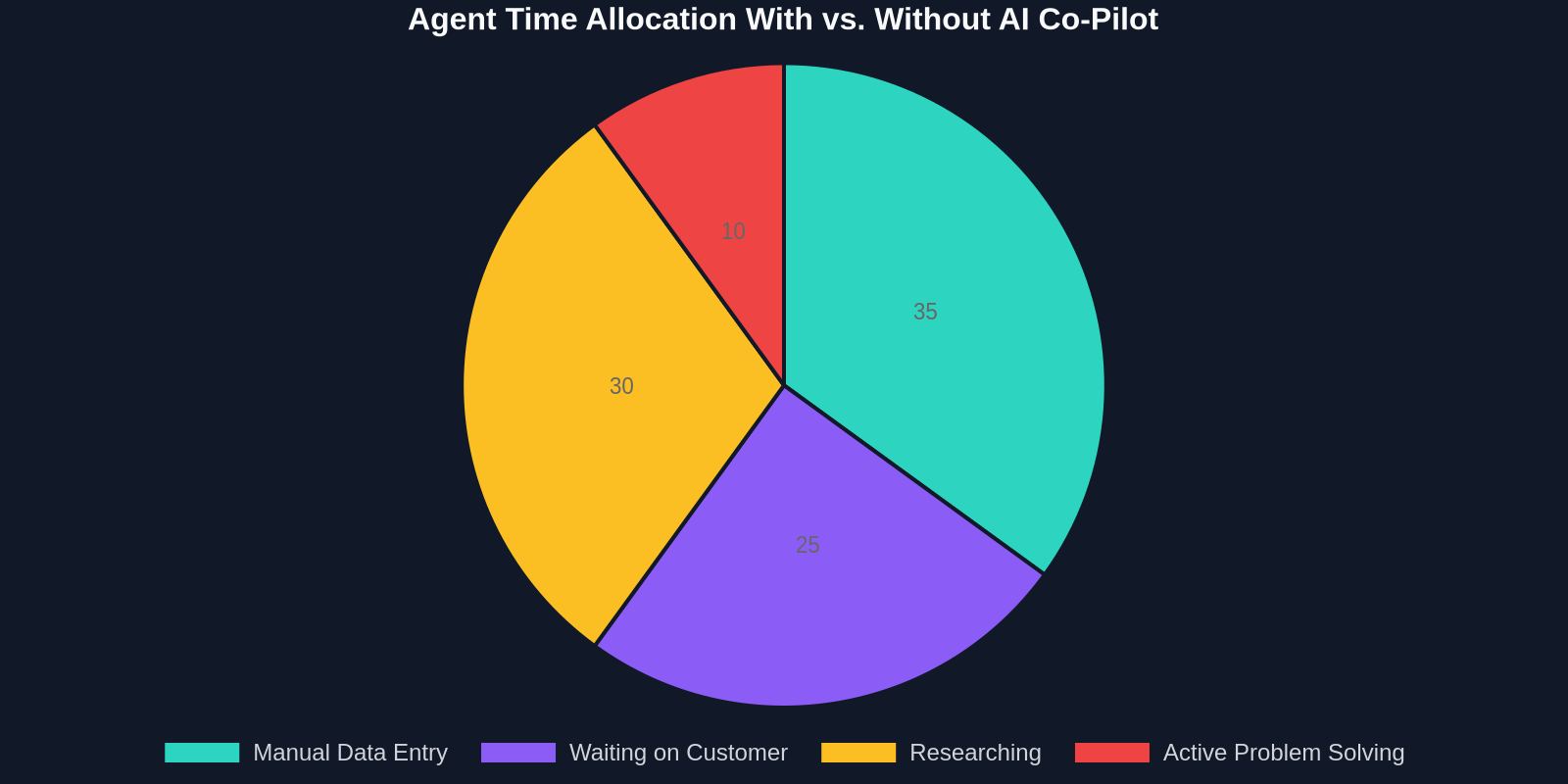
The defining trait of a championship team is not avoiding mistakes, but making halftime adjustments. In the Week 10 Packers-Vikings game, the critical statistic wasn't just the eight sacks; it was the four turnovers forced. Turnovers in the support world are tickets that shouldn't have existed. They are the fumbles you never recover. The top “turnover generator” is manual data entry, agents wasting time looking up order numbers, login credentials, or subscription levels.
With Successly, your support defense doesn't just contain; it creates takeaways. The AI instantly authenticates users, pulling customer data from your CRM, billing system, and product analytics. Before an agent even sees a chat, the AI has already presented a full 360-degree profile. The agent isn't starting the play from their own one-yard line; they’re starting from the opponent's 20-yard line, primed to score a CSAT touchdown. The result is a direct reduction in Average Handle Time (AHT) and a spike in First Contact Resolution (FCR).
Jordan Love's Highlight Reel: Scaling Quality Without Scaling Headcount
Despite the loss, a highlight reel circulated celebrating quarterback Jordan Love’s individual talent. In a support context, your “talent reel” is the consistency of your brand voice. A common fear among heads of B2B support is that AI chatbot responses will feel generic, fumbling the user connection just as a quarterback might fumble a snap under pressure.

The evolution of Support AI, much like the evolution from a raw rookie QB to a veteran reading complex leverages, is in its tone sophistication. Successly doesn't just deflect a ticket; it analyzes sentiment in real time. If a customer sounds frustrated (negative sentiment), the AI abandons its cheery script and switches to an empathetic, concise problem-solving mode, offering a callback or instant escalation. If a customer's tone is neutral and they are asking a complex product spec, the AI drafts a detailed, technical response on behalf of the agent, dramatically reducing typing time. This ensures your support maintains the “Jordan Love highlight” spark, even when a bot handles the first down.
“Your brand’s reputation isn't built on sunny days; it’s forged in the chaotic minutes of a high-volume incident. In Week 10, the Vikings turned chaos into control. Your AI should do the same.”
Drafting Your Defensive Line: The AI-Agent Collaboration
The Packers, according to analysis, were looking to add a "biggest piece" to their pass rush following a key injury in the 2025 season. Similarly, scaling a support team traditionally meant hiring: adding human agents. But hiring during a margin squeeze is counter-productive. The new “biggest piece” is not another salary; it’s a digital employee that works 24/7.
In the NFL Draft, teams look for “day 1 starters.” Your AI solution must be a Day 1 starter. Look at the stat line of Packers’ safety Evan Williams, who recorded both a sack and an interception in a recent game. He didn’t specialize in one area; he produced across the board. Your support tools must also be versatile, handling chat, email, and social tickets simultaneously, and functioning as an agent assistant on one side and a self-service bot on the other.
The Legal Formation: Compliance in the Age of AI
Much like the strictly legal status of sports betting across 39 states requires complex rule-following, support tools in regulated industries (FinTech, HealthTech) can't just run a broken play. When sensitive data is involved, a rogue AI hallucination isn’t just a bad answer, it’s a compliance sack that could carry massive penalties.

A professional-grade AI strategy demands a “safety” valve. Successly establishes guardrails by setting strict response boundaries: the AI never makes up a medical reference or a billing guarantee. It pulls exclusively from approved, audited source material, your knowledge base, your policy docs. This is the difference between a controlled, legal form tackle and an illegal helmet-to-helmet hit that costs you the game. In the Packers-Vikings matchup, discipline was key; the defense generated pressure without disqualifying penalties. Your AI must do the same.
Special Teams: The Triage Advantage
The final, unsung statistic from the Minnesota-Green Bay matchup that mirrors customer service is field position. The Vikings consistently forced long drives for the Packers through excellent special teams coverage. In your support queue, “field position” is time. How fast do you push a priority ticket to the head of the line?
Without AI, triage is a time-sucking manual slog. Agents sift through the queue, reading each subject line. By the time they identify the true “digital blocker” affecting a major account, ten minutes have passed, and the customer is posting on public forums. An AI-first system, leveraging Successly’s real-time intent algorithms, spots the “whale” customer or the systemic outage bug in the swarm of standard tickets. It auto-escalates based on revenue risk or sentiment, not just FIFO order. It’s the difference between starting a drive on your opponent's 40 versus your own 5.
The Post-Game Box Score: Measuring What Matters
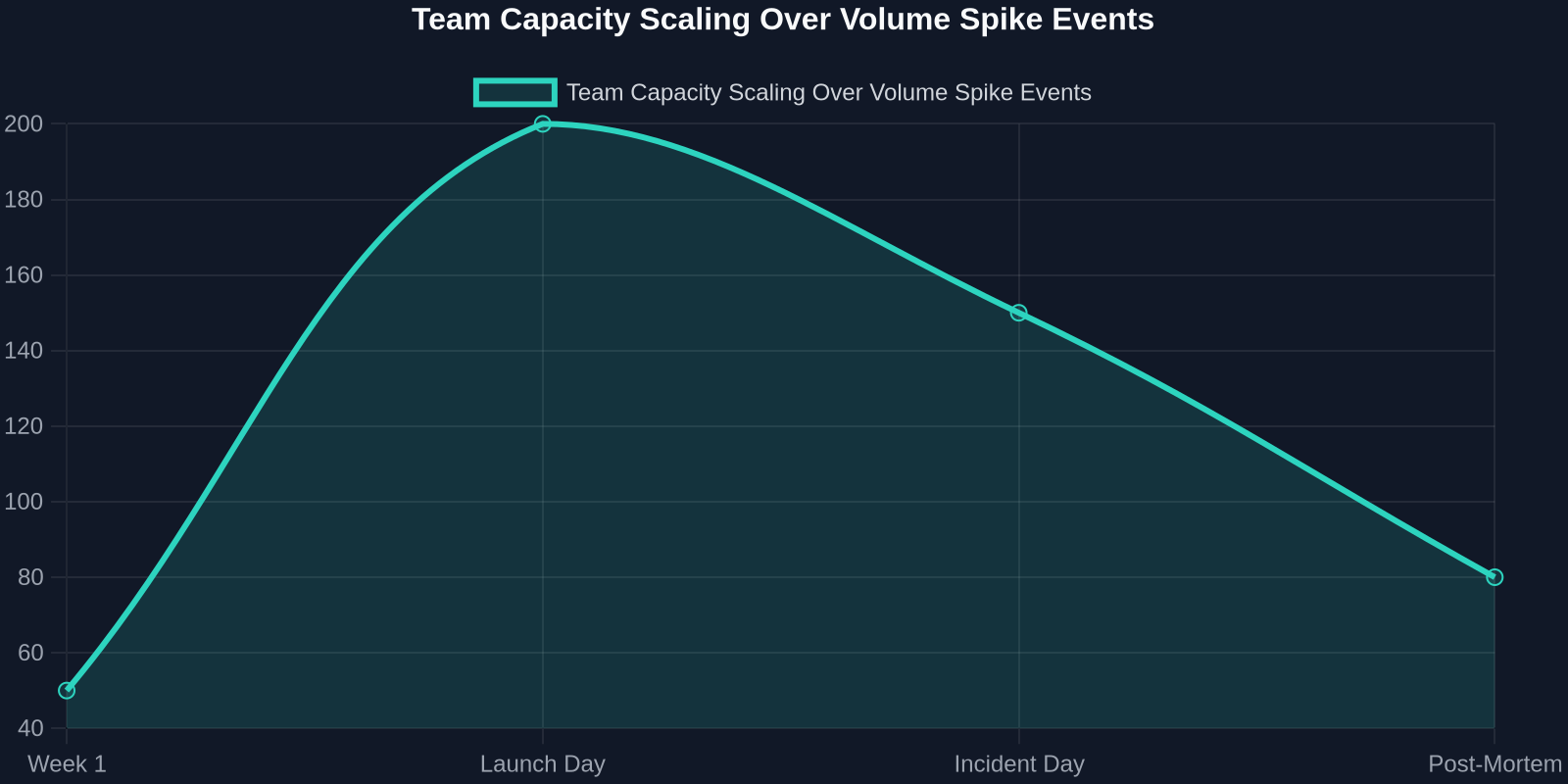
After the 39-22 victory, the Vikings looked to carry that momentum into their road schedule. Your team needs momentum, too, but it’s built on data. The trap many support leaders fall into is measuring volume throughput without measuring quality and deflection. Saying “we answered 500 chats today” is like an offensive coordinator bragging about total yards without looking at the scoreboard, it ignores the four interceptions.
The modern support box score revolves around three AI-augmented KPIs:
By allowing an AI like Successly to parse the complex machine data or JSON logs from a customer, it bypasses the agent’s manual search. It’s the equivalent of a quarterback getting a perfect pass protection alignment call at the line of scrimmage. Furthermore, the deflection percentage becomes your new defensive efficiency rating. If your AI can handle 40%+ of tickets autonomously, you aren't just containing the pocket; you’re collapsing it.
“Stop measuring agent capacity by the number of chats they close. Measure it by the number of escalated issues they truly fix. Quality trumps volume, every single drive.”
Going on the Road: Scaling the Regular Season
The 2026 NFL regular season is a grind. The “Bears open as a big favorite over the Saints” narrative shifts weekly. Your support platform strategy can't just be a playoff push for a single Black Friday event; it must sustain a 17-game season of unrelenting feature requests and back-to-back email blasts.
Successly achieves this by learning from every interaction. When it’s not actively deflecting, it’s filling gaps in your macro library. It notices that three agents typed out a nearly identical solution for an API key issue and auto-suggests a new macro to the admin. It’s like a coaching staff watching tape and adding a new wrinkle to the playbook overnight, so the players (agents) aren't forced to improvise on the field. The result: a support entry that looks as dominant as the Vikings' defense running a stunt that the offensive line simply hadn't schemed for, clean, efficient, and devastatingly effective.
Ready to Lead the League in Customer Satisfaction?
Stop watching your ticket queue turn into a broken play. Deploy a support defense that generates 8 sacks (ticket deflections) and forces 4 turnovers (self-service resolutions) every single week. Build your championship-worthy operations with Successly.
Wrapping Up the Game Clock
The Packers vs. Vikings Week 10 clash was a stark reminder that preparation meets opportunity. The Vikings’ defense didn’t just show up; they executed a specific, violently effective plan. As a support leader or SaaS founder, your preparation must match that intensity. In a live chat environment, your adaptive playbook must be automated, your reads instantaneous, and your talent armed with AI intelligence. Whether you’re navigating the complexity of a Jordan Love highlight reel or the crushing pressure of a Levi Drake Rodriguez sack, Successly ensures that when the chat volume blitzes, your team isn’t left holding the ball. They’re already 15 yards downfield, turning defense into offense, and converting frustrated customers into brand evangelists.