United Airlines Bans AI Booking Agents: A Security Wake-Up Call for Support Automation
In a landmark move that has sent ripples through the travel tech and customer support industries, United Airlines announced it will prohibit the use of personal AI assistants to book flights, change reservations, or access its systems. The decision, framed as a necessary protection of consumer privacy and aviation security, draws a hard line in the sand between enterprise-grade automation and the unbridled use of third-party bots.
While consumers have embraced AI to streamline tasks, from ordering groceries to managing calendars, United’s crackdown reveals the fragile tension between convenience and compliance. For B2B SaaS leaders, support team managers, and operations specialists, this isn't just an aviation headline. It’s a critical case study on the infrastructure risks of shadow AI and a guidepost for building secure, scalable support automation that won’t get your users banned.
Why United Drew a Line in the Silicon Sand
On November 12, 2026, United Airlines clarified that it will not allow third-party AI agents (often called 'personal AI assistants') to engage with its digital infrastructure. This isn't merely a UX preference; it's a multi-layered liability decision grounded in regulatory exposure, data sovereignty, and operational integrity.
The Regulatory Tripwire: ACAA and the Human-in-the-Loop Mandate
One of the most immediate triggers for the ban is the legal requirement under the Air Carrier Access Act (ACAA) and related federal regulations. At the check-in flow, human passengers must explicitly verify that their bags do not contain hazardous materials, including lithium batteries with specific charges.
United says automated actions could violate aviation regulations, citing the requirement for a human acknowledgment during check-in that bags contain no banned items. If an unsupervised AI agent clicks the "I agree" checkbox for a passenger, the airline is potentially exposed to severe fines, cargo fires, and legal nightmares. Support leaders managing compliance-heavy industries (healthcare, finance, logistics) recognize this friction immediately: automation without verified identity and explicit consent is a non-starter.
Data Security: Who Owns Your Passport Details Now?
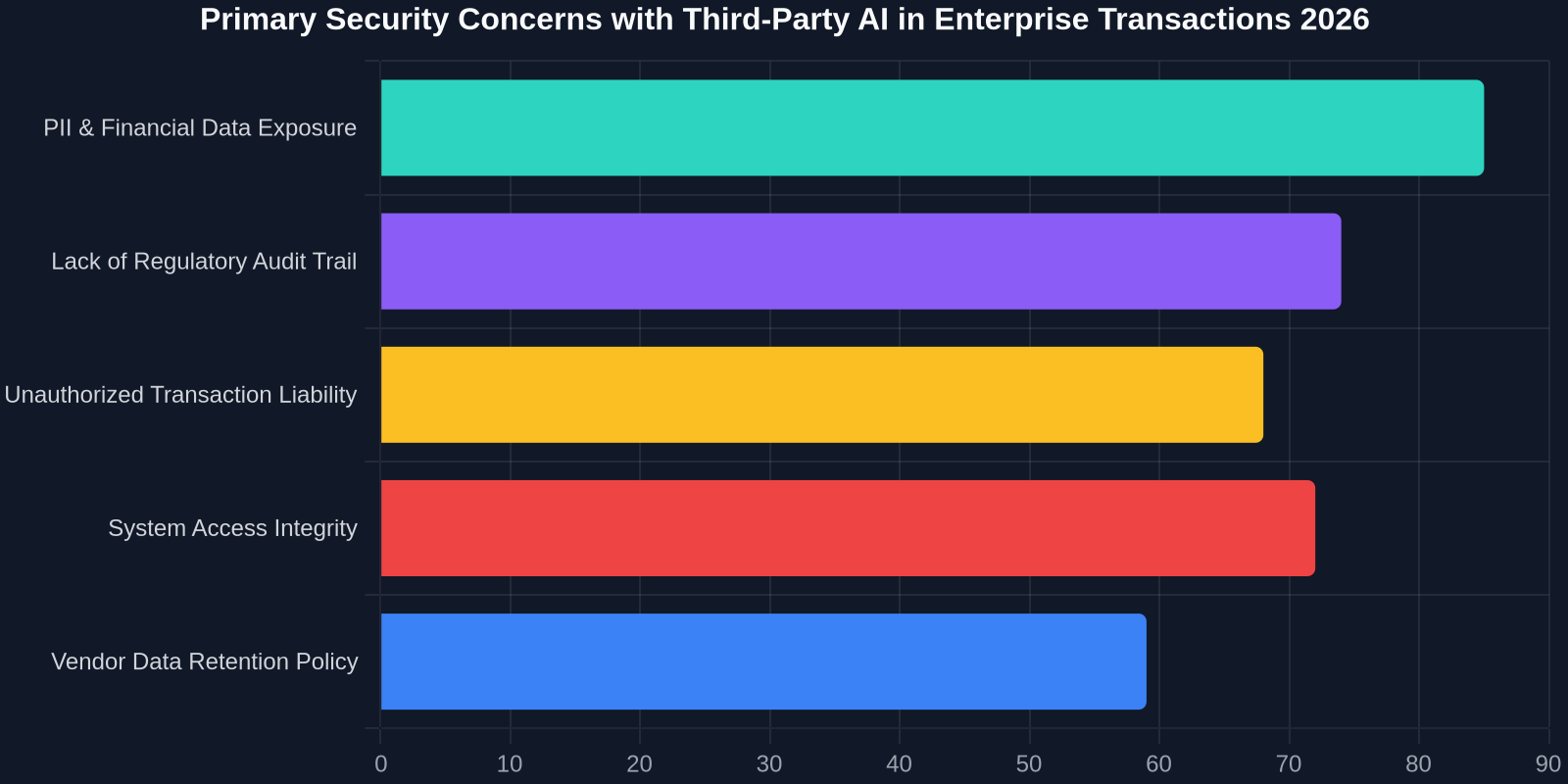
The airline says customers who give their personal and credit card information to AI businesses run the risk of having their sensitive data exposed. When a traveler hands over their PNR (Passenger Name Record), passport number, and credit card CVV to a consumer LLM wrapper, that data usually leaves the secure envelope of the airline’s infrastructure. Unlike PCI-DSS compliant enterprise tools, most personal AI agents operate in a black-box environment where data may be retained, used for model training, or exposed to third-party APIs.
The Hidden Cost of 'Convenience': Fragmented Record-Keeping
Imagine a support ops nightmare: a traveler's AI agent changes a flight segment overnight, but the passenger isn't aware. They show up at the gate, and the ticket is voided due to a fare rule miscalculation by the bot. Who is liable? The agent developer? The LLM provider? The passenger?
The customer experience liability of ungoverned AI isn't a hypothetical. It's a 'ticking time bomb' for support operations where agents act without a comprehensive source of truth.

United has said it will not cancel reservations made by AI agents before November 11, 2026, a grandfathering grace period. However, post-crackdown, any third-party bot attempting to scrape fares, manipulate PNRs, or trigger automated check-ins will be formally blocked. For support teams, this underscores a critical truth: automation without bi-directional system integration and pristine data hygiene is a revenue risk, not a timesaver.
Implications for Customer Success and Support Operations
United Airlines CEO Scott Kirby is hyperfocused on improving the flying experience, and this policy enforcement is a trust-building exercise, not an anti-AI Luddite move. It differentiates between 'authorized interfaces' (direct airline apps, trusted travel management company integrations) and 'rogue automation.'
For support leaders scaling B2B operations beyond just travel, every ticket created by a hallucinating AI erodes trust in the automation pipeline. The United ban teaches us three architectural imperatives for secure support automation:
- Channel Sanctioning: Automate where you control the interface. Public-facing, unauthenticated bot traffic is a security hole. Proactive support must operate within a managed context.
- PII Hygiene at the Kernel Level: You cannot feed raw, unmasked payment card data or identity documents into a generalized, third-party model. AI-native support platforms must ensure zero retention of sensitive identity artifacts.
- Human-on-the-Loop for Critical State Changes: In finance, travel, or medical scheduling, an automated resolution should still generate a verifiable human sign-off for high-stakes finalization (e.g., a wallet charge, a seat upgrade, a prescription refill).
Data Sovereignty in the Age of Agentic Flows
United Airlines is restricting artificial intelligence agents from booking flights for travelers, but they aren't killing AI. They are implicitly demanding a shift to private, enterprise-grade AI where data sovereignty is guaranteed. When a business leverages a platform like Successly for customer automation, the AI isn't a random internet scraper; it operates under a strict data processing agreement (DPA) and within a shielded namespace.
The 'Shadow AI' Risk Matrix for Support Functions
When a support agent connects their work console to a consumer AI to 'automate' ticket summaries, they inadvertently export internal knowledge base articles, customer emails, and performance metrics. United Airlines is blocking third-party AI assistants from booking flights to protect payload data; enterprises should apply the same firewall to their ticket management systems to protect IP.

| Security Dimension | General Personal AI Agent | Managed Enterprise Support AI |
|---|---|---|
| Data Residency | Retained for training | Isolated, zero-retention |
| Regulatory Compliance | No audit trail | ACAA/GDPR-ready logs |
| Purchase Authorization | Proxy credentials | Tokenized, verified actions |
| Liability Chain | Fragmented (user ↔ bot ↔ API) | Unified vendor accountability |
The Future of Travel (and Support) is Verified Automation
The airline industry is a bellwether for digital transformation. Today it's the booking engine; tomorrow it's the medical claim processor or the mortgage underwriter. The announcement that travelers who previously used AI assistants to book flights are on borrowed time isn't a tech rejection. It's a pivot toward Verified AI Workflows.
Why Successly Users Avoid the 'United Ban' Trap
Platforms designed for enterprise customer success (not consumer convenience) architect deterministic, non-hallucinatory outcomes. Instead of handing unrestricted API access to a wandering LLM, a support-focused AI uses intent classification to select a secure API endpoint, authenticates the user session, and creates a fully logged interaction artifact.
This ensures that automated check-ins, refunds, or account changes are compliant with industry-specific regulations, and won't result in a public blacklisting by a major service provider. In a landscape where United is saying 'no' to unverified agents, the market is screaming for B2B automation solutions that can say 'yes, securely.'
Building a Secure Automation Blueprint: A Support Leader’s Checklist
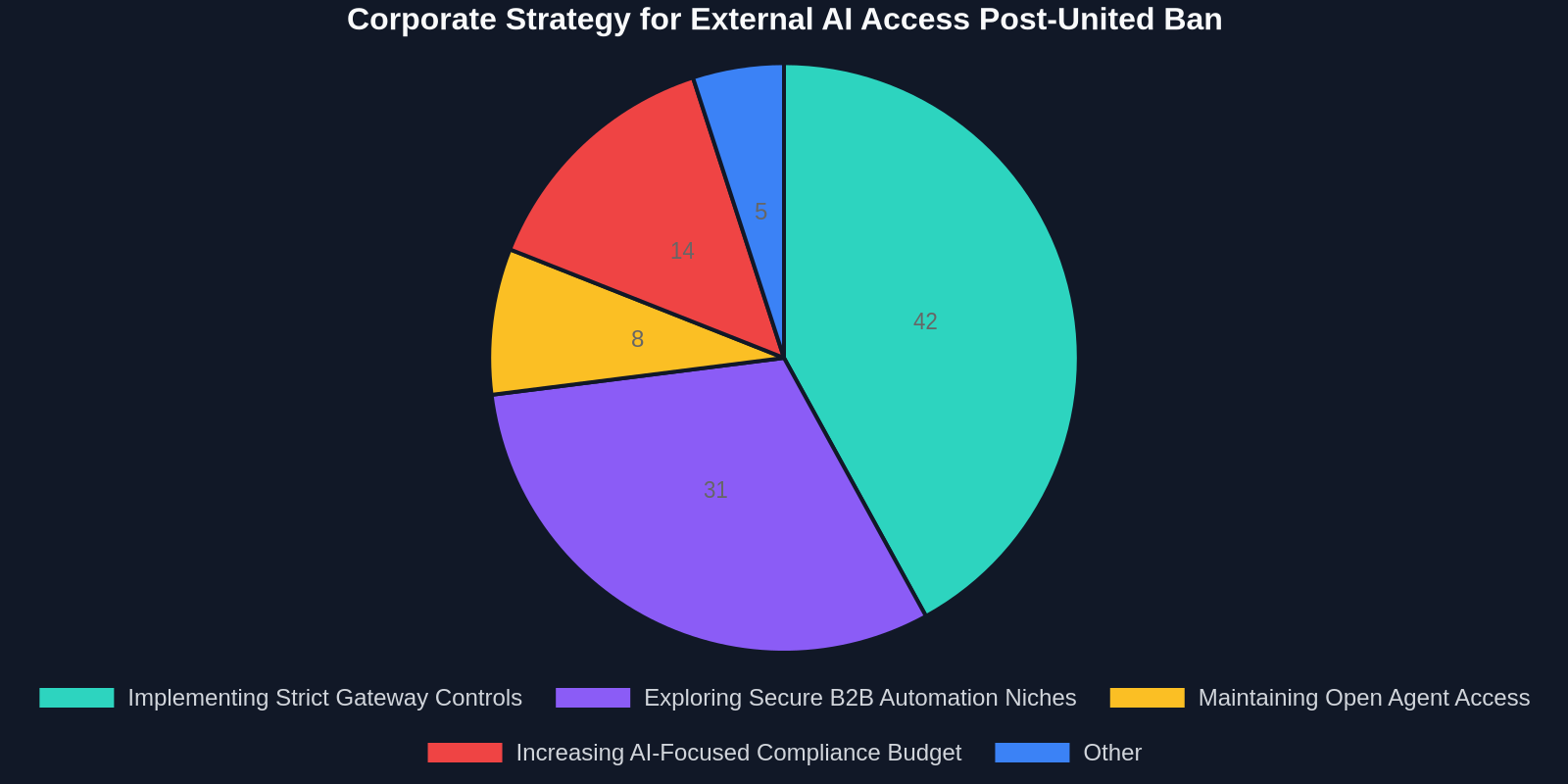
To avoid the fragmentation that triggered United’s shutdown, support leaders must move from reactive bot-blocking to robust architecture design. Here’s an automation readiness checklist derived directly from the United incident:
- Implement Zero-Trust Identity Binding: Agents should never rely on plain-text API keys scraped by a browser extension. Use OAuth 2.0 with tokenized client access.
- Enforce Action Confirmation for High-Stakes Events: A monetary transaction or a flight change must trigger an explicit push confirmation to the user’s verified device.
- Protocol Restriction: Reject bulk automation via unofficial channels. Use dedicated support middleware that enforces rate limiting and data masking.

Conclusion: The AI Moat is Trust
United Airlines banning personal AI assistants is the market correcting a dangerous assumption: that public, multi-tenant intelligence is safe for private transactions. For SaaS founders, customer success VPs, and support Ops directors, the lesson is clear, the future is not about blocking AI; it’s about deploying AI behind a secure signal.
Automation fails when it erodes the compliance boundary between the service provider and the end user. The brand that solves this trust gap becomes indispensable.
As the industry calcifies into 'trusted AI' and 'rogue AI' lanes, ensure your support stack sits in the former. Invest in automation that respects data residency, defines clear legal accountability, and maintains the human-in-the-loop acknowledgment where the law demands it. Because the most expensive support ticket isn't the one you resolve with AI, it's the one a rogue AI creates.