
The tech world loves a good disruption narrative. First, AI would take our jobs. Then, AI agents would kill SaaS. Headlines scream that dashboard-first models are dead, that enterprise AI agents will replace human-operated platforms overnight. But after analyzing data from over 600 businesses and consulting with industry leaders, a different story emerges, AI agents aren’t the executioner of SaaS; they are the engine of its next growth phase. For customer success teams and support operations, this shift means unprecedented efficiency, smarter automation, and a new era of ROI. Let’s explore why.
The Data Behind the Shift
Numbers tell a compelling story. In 2025, only 14% of enterprises had fully deployed AI agents, yet 66% of business leaders said they expect significant AI impact within the next two years. This gap represents massive growth potential for SaaS companies that adapt. On monday.com, PMs and AI agents collaborate to manage risks, track status, and move complex portfolios forward, faster. Workday reports that 75% of its 11,500 customers use Workday AI in core processes, with 150 using payroll AI agents.

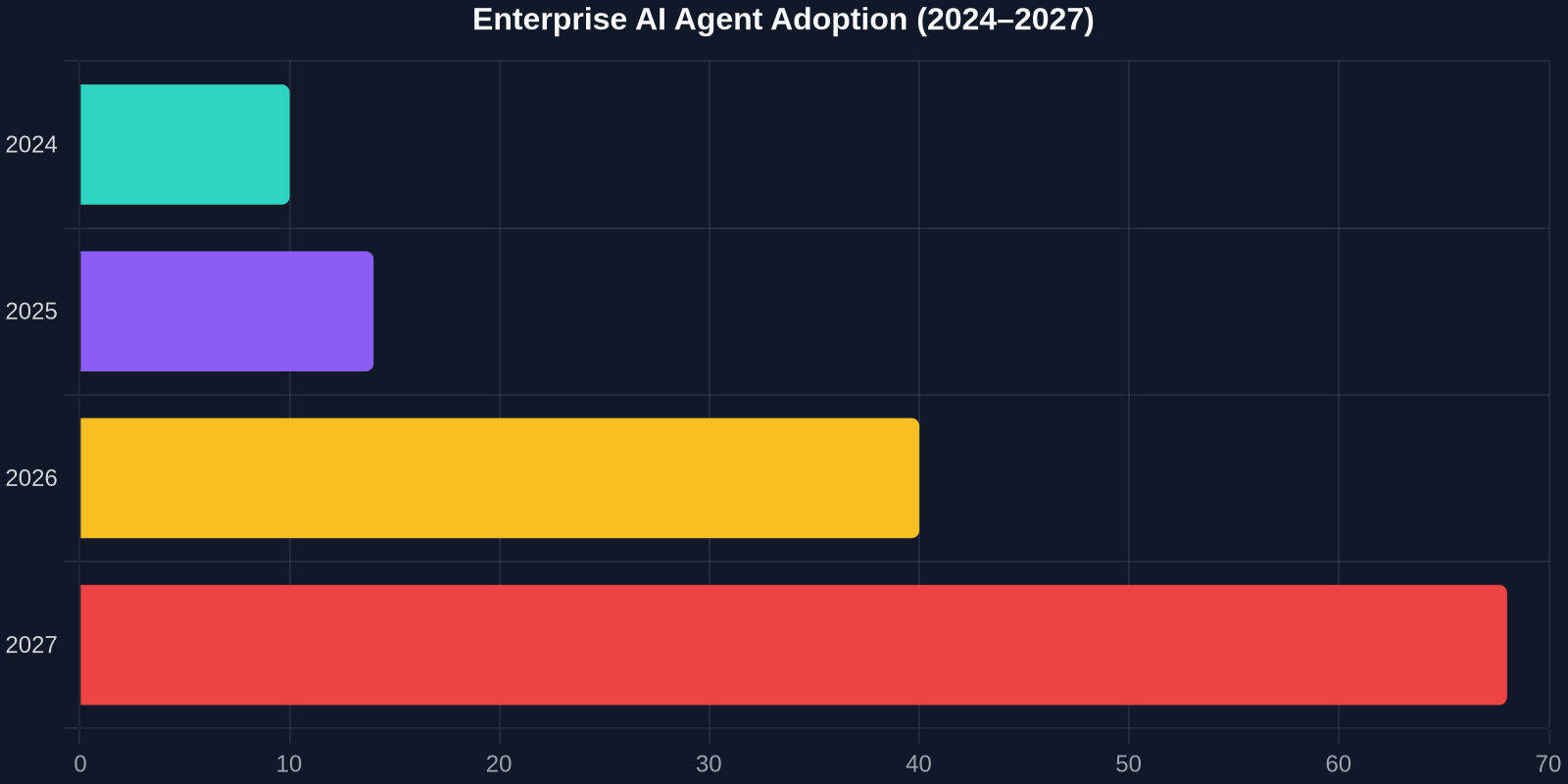
These aren’t isolated cases. They signal a systemic shift where AI agents become the primary interface for business operations, while SaaS remains the data source and governance layer.
How AI Agents Supercharge Customer Success
For support team leads and CS managers, the practical benefits are immense. Consider a typical support ticket: a customer reports a login issue. Without AI, a human agent must navigate multiple SaaS tools (Zendesk, CRM, authentication system) to diagnose and resolve. With an AI agent, the process becomes:
- The agent intercepts the ticket
- It queries the SaaS database for user history
- It triggers a password reset via the identity provider
- It logs the resolution in the CRM
I’ve been inside 600+ businesses and they all hit the same wall: they spin up agents at random with no system behind them. There’s a reason companies are still investing heavily in SaaS platforms like Salesforce, HubSpot, and Successly. The platform is the source of truth; the AI agent is the executor.
Practical Steps to Integrate AI Agents into Your SaaS Stack
To ride this growth wave, you need a systematic approach. Here’s a framework:
Step 1: Audit Your High-Volume, Low-Complexity Tasks
Identify tickets that follow a clear pattern: password resets, status inquiries, billing questions. These are ripe for AI agent automation. Use your SaaS analytics to pinpoint top categories.
Step 2: Map the Agent-to-SaaS Integration
Ensure your AI agent can communicate with your CRM, ticketing system, and knowledge base via APIs. Without this integration, agents are just glorified chatbots.
Step 3: Set Governance Rules
Define when the agent acts autonomously vs. when it escalates to a human. For example, requests under $50 refund can be automated; anything above requires manager approval.
Step 4: Measure and Iterate
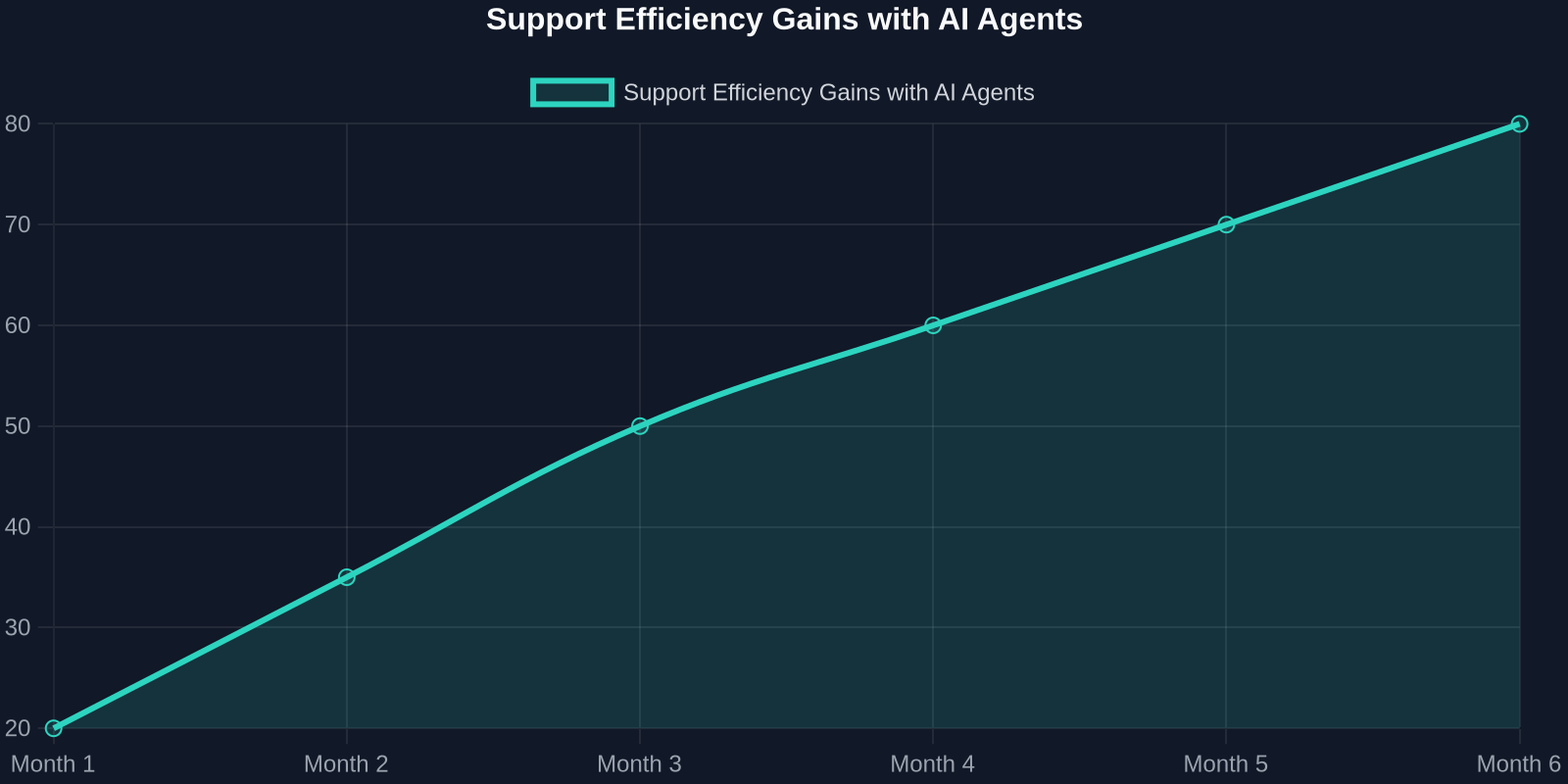
Track key metrics: ticket deflection rate, average handling time, first contact resolution. Use A/B testing to compare agent vs. human performance. Iterate monthly.
The Future: Co-Bot Systems and SaaS Evolution
Agentic revenue management uses autonomous AI agents to transform sales planning, forecasting, and quota attainment. This is just one example of how AI agents are creating new SaaS use cases. We’re moving toward “co-bot systems” where humans and AI agents collaborate inside the same interface. monday.com already exemplifies this: PMs and agents manage risks together, with the agent handling repetitive updates and the PM focusing on strategy.

Conclusion: Embrace the Growth, Not the Fear
The narrative that AI agents will kill SaaS is misleading. What’s actually happening is a natural evolution: AI agents are making SaaS more valuable by automating the mundane, freeing humans for strategic work. For customer success teams, this means higher CSAT, lower costs, and a path to scale without adding headcount. The businesses winning with AI agents aren’t the biggest ones, they’re the ones that integrate strategically.
Agentic AI isn’t the end of SaaS. It’s the beginning of a smarter, faster, more efficient era. Are you ready to lead it?